RobotLAB STEM & Education
RobotLAB CTE Lab
RobotLAB - CTE Lab. Robotlab from RobotLAB. 16,000+ robots deployed. Get a free demo.
From $112,119 purchase
How hospitality operators evaluate, deploy, and scale commercial robots.
Tell us your industry and we'll recommend 3-4 robots to shortlist.
We evaluate, certify, and service every robot we sell.
From marketing, sales, demonstrations, and proof-of-concepts through deployment, training, support — and even repair. Local teams, local inventory, same-day service.
By Elad Inbar, RobotLAB founder & CEO — a practical guide to adopting robotics that actually delivers ROI.
About the book →Norway's flagship professional inspection-class ROV — 305 m depth, 4K imaging, and three guest ports for sonar, manipulators, and custom sensors — sold and supported nationwide by RobotLAB.
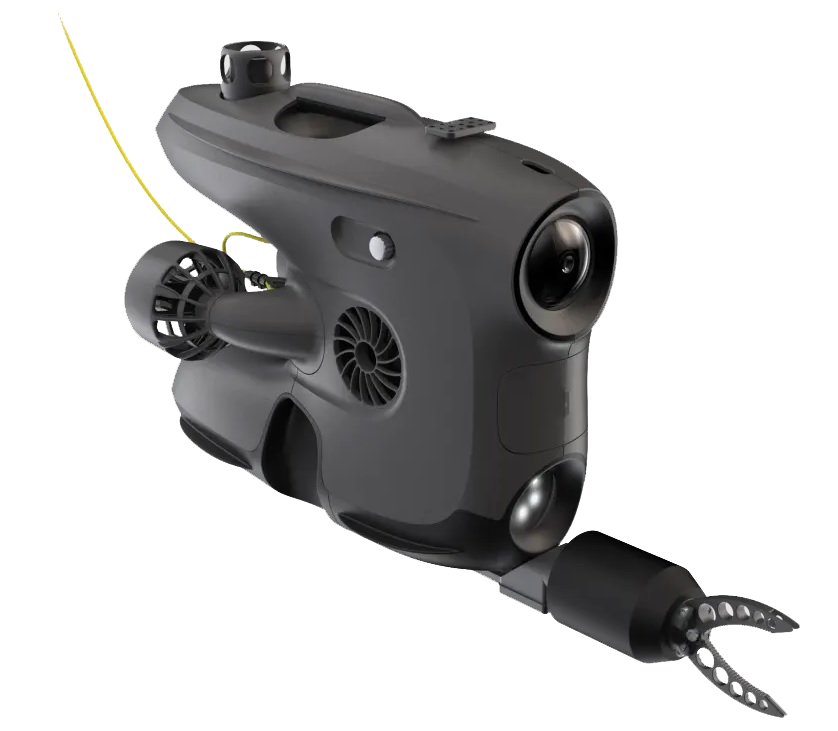
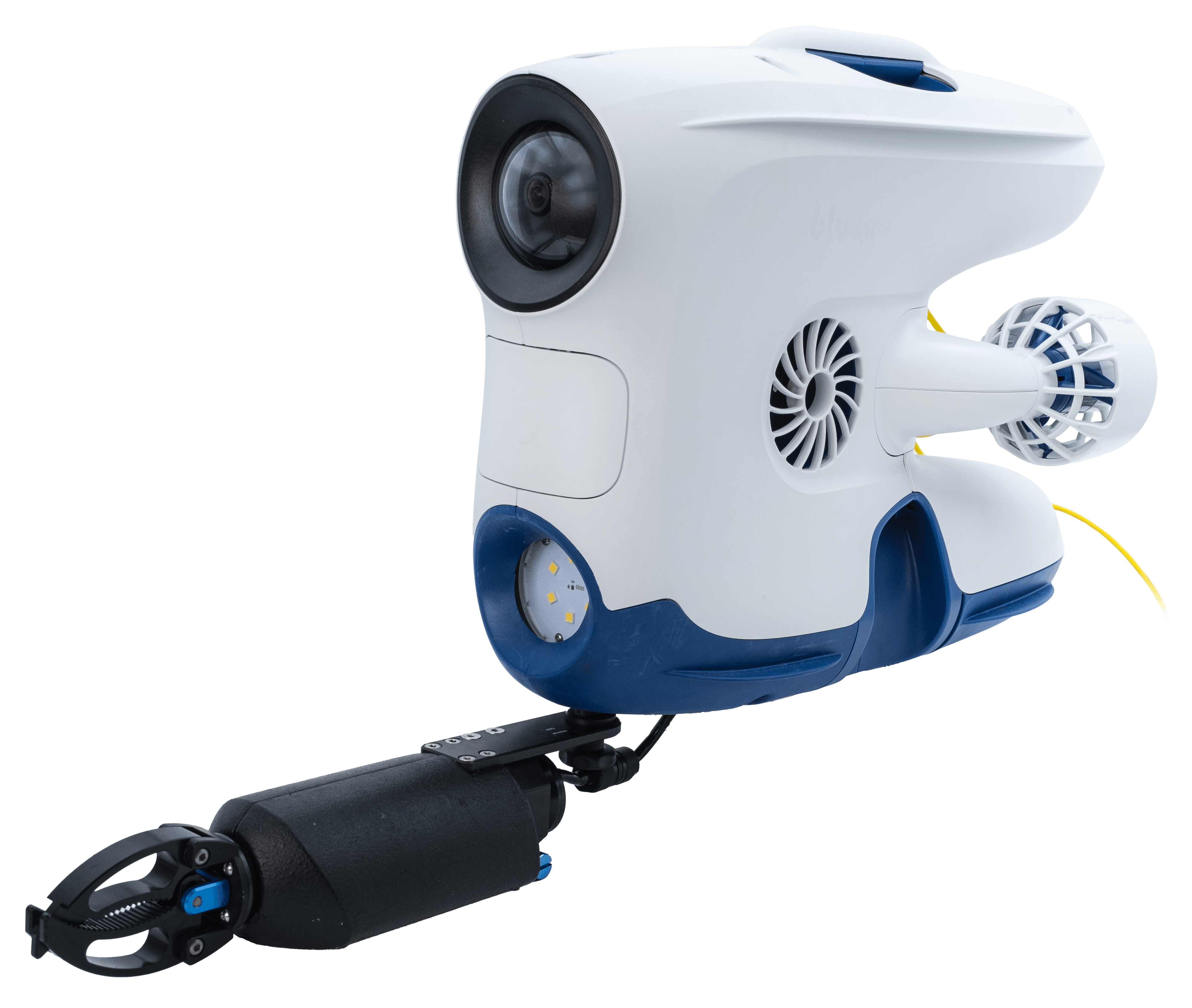
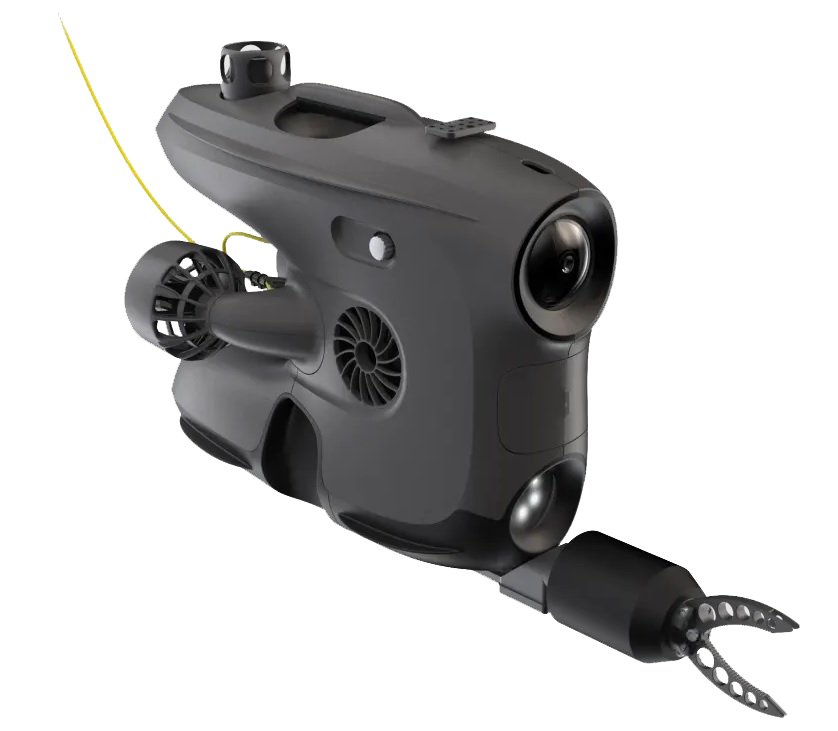
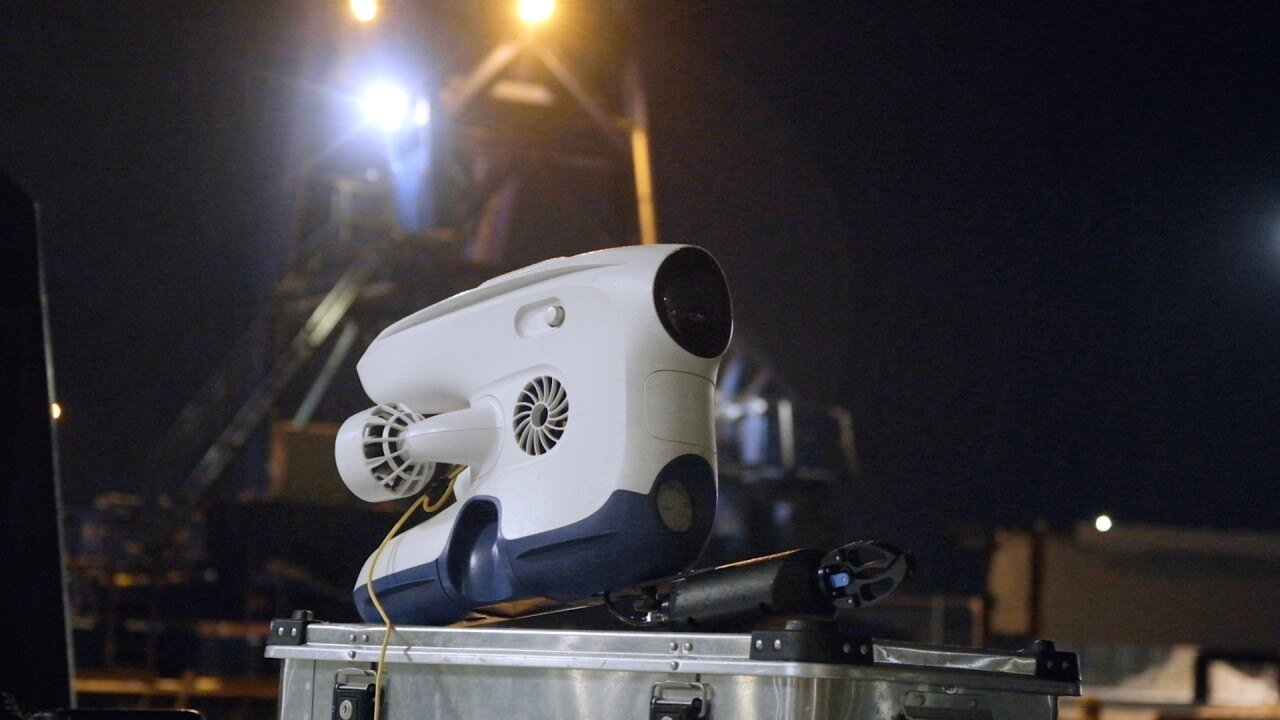
The Blueye X3 is the flagship of the Blueye Robotics underwater drone line, built for detailed subsea inspections and demanding underwater operations. Rated to 305 meters (1,000 feet) and weighing under 9 kg, it pairs a tilting high-definition camera (4K video recording with 12-megapixel stills) and 3,300-lumen LED lighting with four 350 W thrusters for stable, omnidirectional control in currents up to 2 knots. The defining feature is its three guest ports, which let operators integrate sonar, manipulators, grippers, cathodic-protection (CP) probes, positioning systems, and additional cameras or lights — turning a portable ROV into a full inspection toolkit.
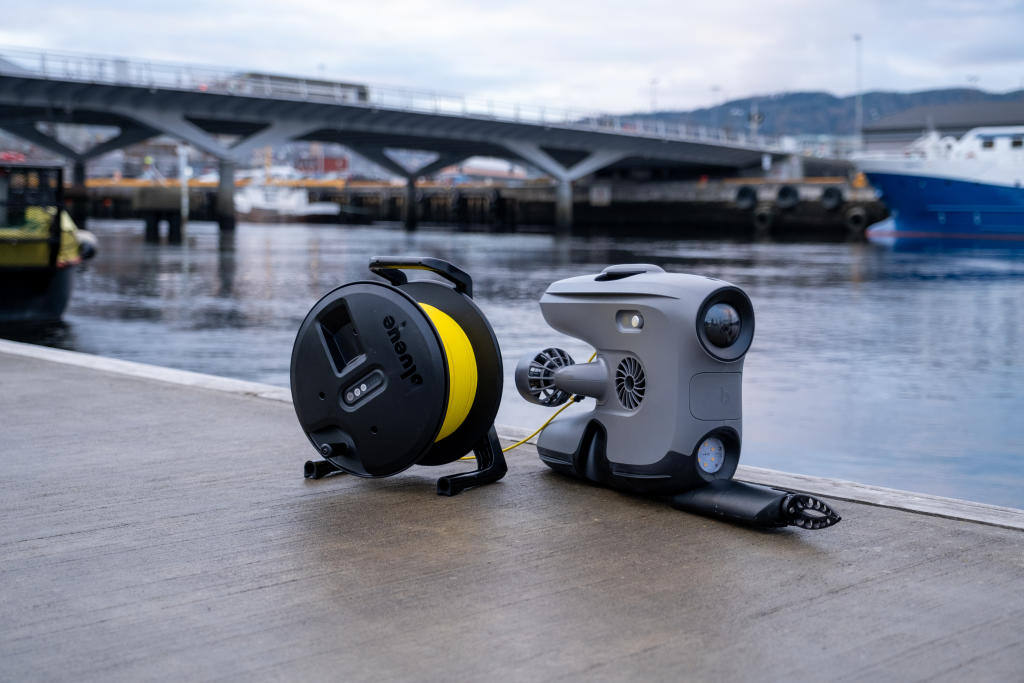
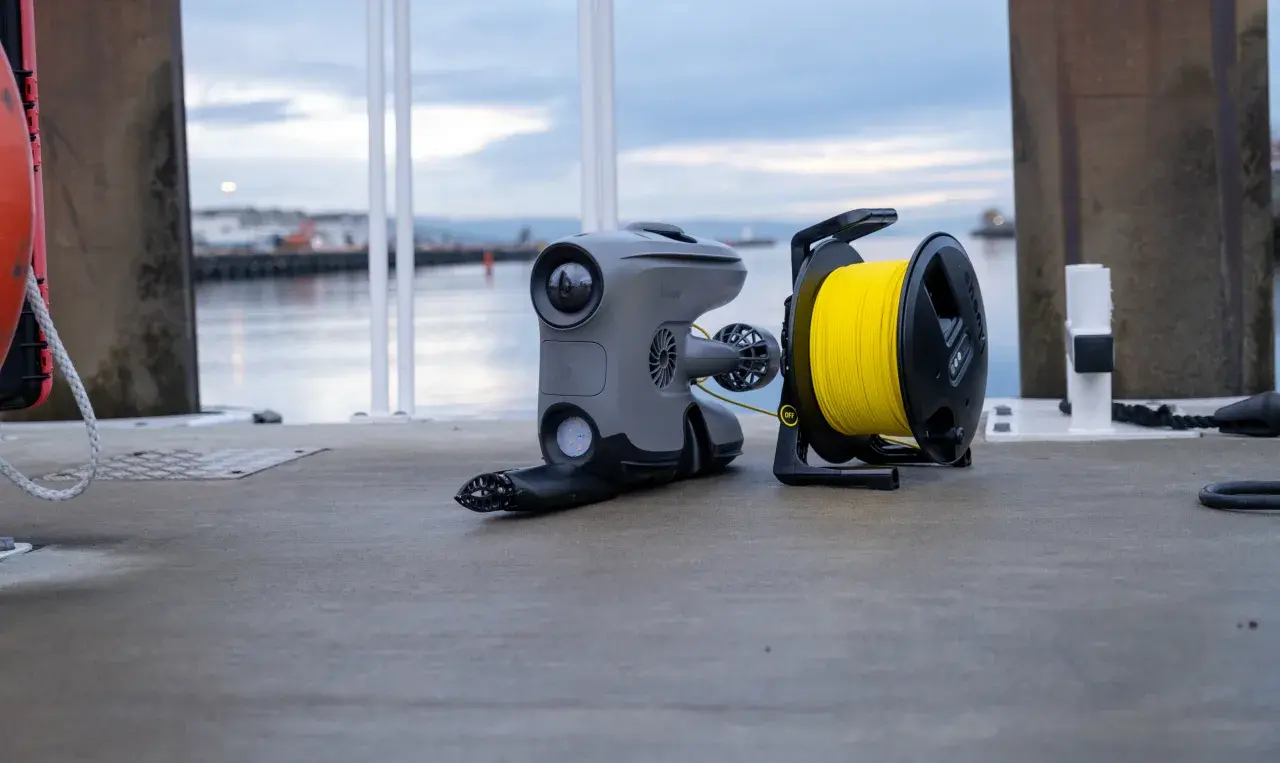
RobotLAB resells the Blueye X3 as a complete, deployment-ready package: the X3 vehicle, battery, toolset, aluminum wheeled transport case, a reel with 150-meter tether, an Xbox-style controller, and the SDK. With 256 GB of onboard storage, a corrosion-resistant build, and an upgradable operating system, the X3 supports everything from one-person field inspections to long-running research deployments. RobotLAB offers it at $29,990 to purchase, or through Robot-as-a-Service (RaaS) at for organizations that prefer operating expense over capital outlay.
Because RobotLAB is an integrator rather than a manufacturer, customers get nationwide procurement, deployment support, operator training, and ongoing service on a single platform — plus guidance on choosing between the X3 and its smaller siblings, and on which guest-port payloads fit a given inspection, research, or survey mission.
| Brand | Blueye Robotics |
| Model | X3 |
| Class | Professional inspection-class mini ROV |
| Maximum depth rating | 305 m (1,000 ft) |
| Weight in air | ~9 kg (8.6 kg with salt-water ballast) |
| Dimensions | 485 × 257 × 354 mm |
| Thrusters | 4 × 350 W (omnidirectional) |
| Forward speed | Approx. 3 knots (~1.5 m/s) |
| Current tolerance | Operational in up to 2 knots current |
| Camera | Tilting HD camera; 4K video recording, 12 MP stills; mechanical tilt -30° to +30° |
| Lighting | 3,300-lumen LED, 5000 K, 90 CRI |
| Onboard storage | 256 GB |
| Guest ports | 3 (multiple power levels, multiple communication protocols) |
| Run time | ~2 hrs (standard battery) / ~5 hrs (high-capacity battery) |
| Charge time | ~2.5 hrs |
| Tether | 150 m reel (included) |
| Sensors | IMU (3-axis gyro + accelerometer), depth, magnetometer/compass, internal/external temperature, internal pressure |
| Included in RobotLAB package | X3 vehicle, battery, toolset, aluminum wheeled transport case, 150 m tether reel, Xbox-style controller, SDK |
| Operating temperature | -10 to +50 °C |
| Purchase Price | $24,089 |
Universities, marine-biology programs, and AI/robotics labs use the X3 for environmental monitoring, habitat surveys, and underwater perception, mapping, and navigation research. The three guest ports and included SDK let researchers mount custom sensors, sonar, and manipulators, while the 305-meter depth rating opens deep-water study sites that divers cannot safely reach.
The X3 inspects ship hulls, propellers, dam walls, intake tunnels, pipelines, pilings, and offshore structures without putting divers in the water. Its tilting 4K camera, 3,300-lumen lighting, and add-on sonar or CP-probe payloads make it suited to corrosion surveys, weld checks, and structural condition assessments in ports, energy, and water-utility settings.
Fish-farm operators and environmental agencies use the X3 to inspect net pens, mooring lines, and cages, and to monitor water conditions and seabed habitats. The portable, one-person-operable form factor and ~5-hour high-capacity battery support repeated daily dives across remote sites.
Government and public-safety teams deploy the X3 for underwater search, evidence recovery, and asset location. The optional gripper/manipulator on a guest port lets operators retrieve objects, while live telepresence video supports command decisions from the surface.


Same-day response. We handle delivery, on-site setup, staff training, and ongoing service nationwide.
The Blueye X3 is the flagship professional inspection-class underwater drone (ROV) from Norway's Blueye Robotics. It is built for detailed subsea inspection, marine research, aquaculture, and search-and-recovery work. With a 305-meter depth rating, three guest ports for add-on sonar, manipulators, and sensors, and a portable one-person form factor, it suits both industrial inspection teams and university research labs. To discuss whether it fits your mission, call 1-87-RobotLAB.
The X3 is rated to 305 meters (1,000 feet). Run time is approximately 2 hours on the standard battery and up to about 5 hours with the high-capacity battery, with a charge time of roughly 2.5 hours. It can hold position in currents up to 2 knots. For deployment planning around your sites, call 1-87-RobotLAB.
The X3's three guest ports support integration of sonar, manipulators and grippers, cathodic-protection (CP) probes, positioning systems, additional cameras, lights, and other sensors, across multiple power levels and communication protocols. RobotLAB can help you spec and source the right payloads for inspection, research, or survey work — call 1-87-RobotLAB.
The RobotLAB package includes the Blueye X3 vehicle, battery, toolset, an aluminum wheeled transport case, a reel with 150-meter tether, an Xbox-style controller, and the SDK. Payloads such as grippers, sonar, and positioning systems are available as add-ons. Call 1-87-RobotLAB for a configured quote.
Yes. RobotLAB sells the X3 at $29,990 and also offers it through Robot-as-a-Service (RaaS) at , which lets organizations treat it as an operating expense rather than a capital purchase. RobotLAB also provides deployment support, training, and service nationwide. Call 1-87-RobotLAB to compare options.
All three share the 305-meter depth rating and the same compact, portable body, but they target different needs. The X1 is the entry-level mini ROV with a single guest port (gripper-ready). The Pro is a mid-tier inspection drone with four thrusters. The X3 is the flagship: three guest ports, 256 GB storage, and the broadest payload-integration capability for advanced inspection and research. RobotLAB can help you choose — call 1-87-RobotLAB.
Yes. It ships with an SDK, supports custom sensor, sonar, and manipulator integration through its guest ports, and is well suited to environmental monitoring, marine biology, and underwater perception, mapping, and navigation research. RobotLAB supports higher-ed and research deployments nationwide — call 1-87-RobotLAB.
RobotLAB - CTE Lab. Robotlab from RobotLAB. 16,000+ robots deployed. Get a free demo.
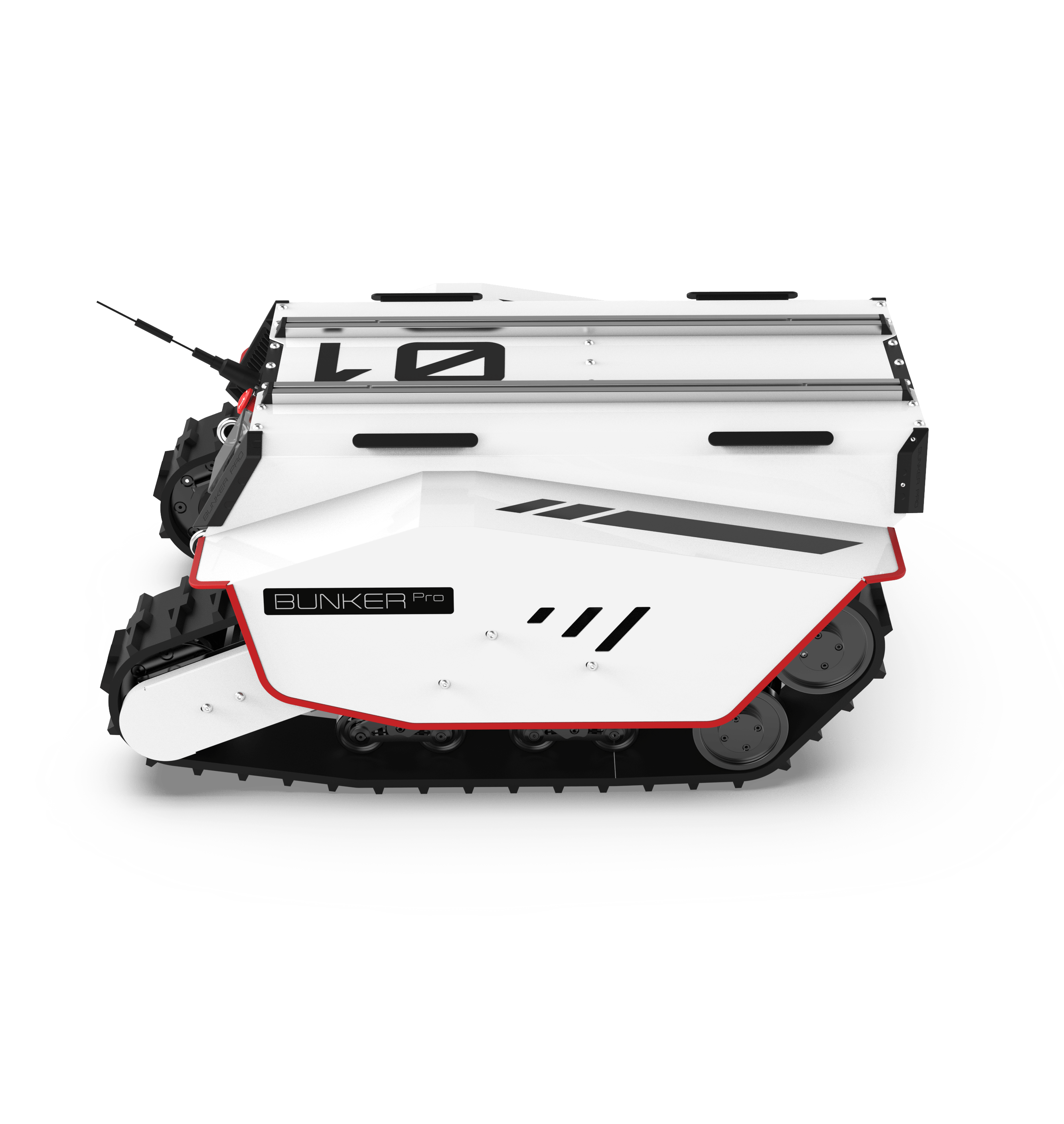
A rugged, tracked all-terrain robot chassis built to climb, crawl, and carry where wheeled platforms stall — sold, deployed, and supported by RobotLAB.
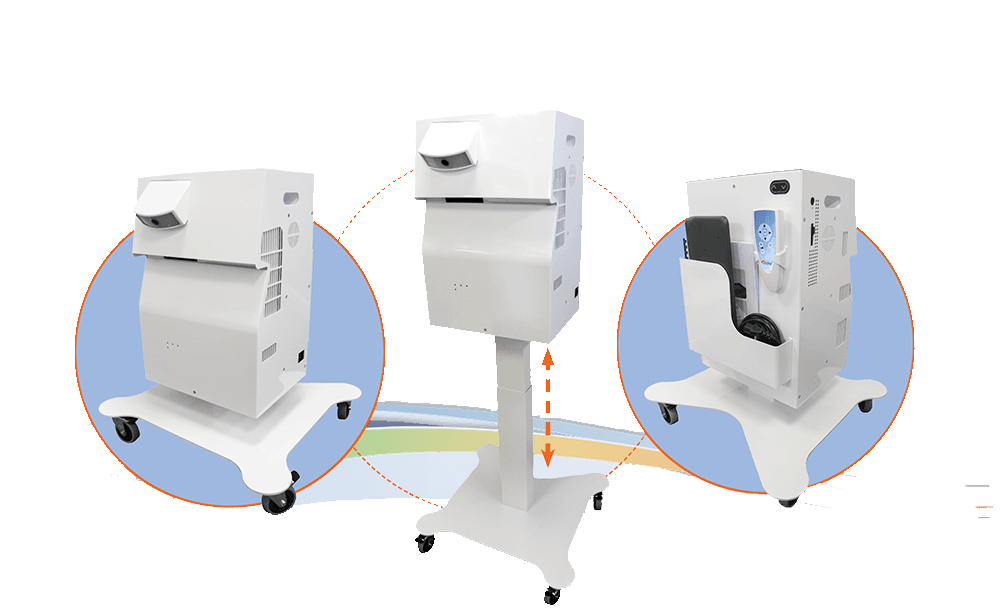
An interactive projected-reality system that turns tables, floors, and beds into motion-activated learning and therapy surfaces for K-12 and special education.
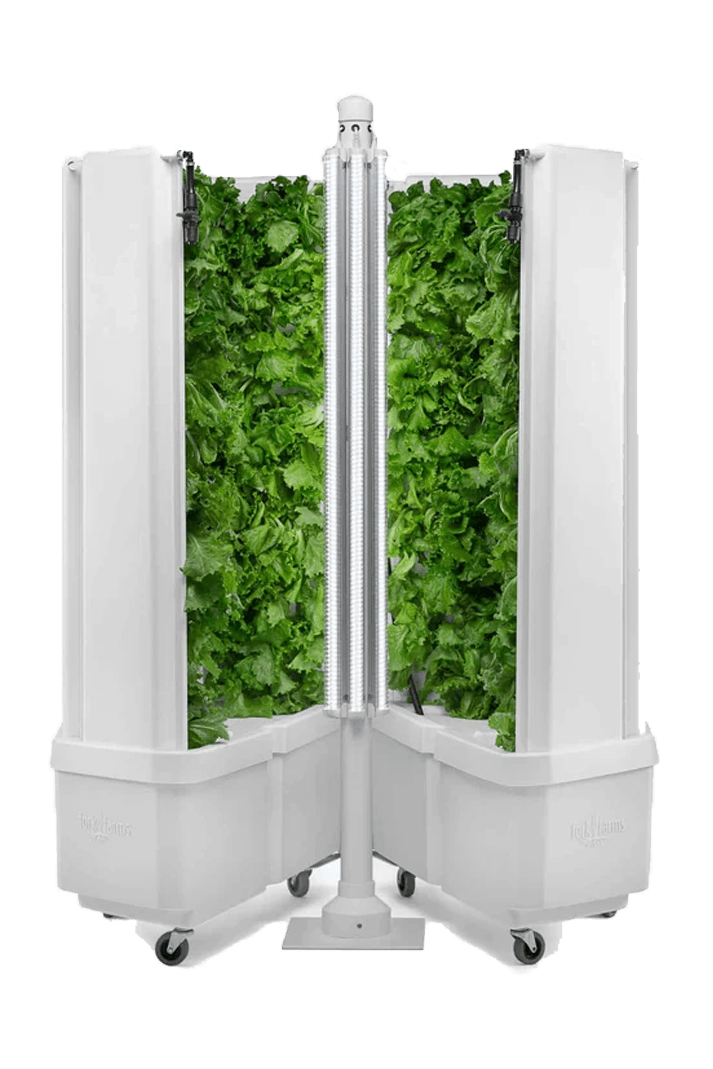
Grow 394+ pounds of fresh produce a year in under 10 square feet — a turnkey indoor vertical farm built for classrooms, cafeterias, and food programs.
Lidia is an AI assistant. This conversation is stored and shared with the RobotLAB sales and support teams. Privacy policy
Chatting as · Not you?
You choose which categories of cookies are stored on your device. Strictly-necessary cookies are required for the site to function and cannot be disabled. Read more in our Privacy Policy.
Session, security, and the consent record itself. Required for the site to operate.
First-party tracking (Mautic, on t.robotlab.com) so we understand which pages and products visitors engage with and improve the site over time.
Advertising pixels (Google Ads, Meta Pixel) used to measure ad performance and show relevant ads on partner sites. Turning this off opts you out of CCPA "sale" of personal information.