
Too much to read? Don't have time?
Choose your favorite AI, and it will summarize the content for you:
STEM education fosters innovation and scientific literacy, providing students with the tools to understand and address complex global challenges. By engaging with science, technology, engineering, and mathematics, students develop critical thinking and problem-solving skills essential for tackling pressing issues such as climate change, healthcare advancements, and technological development. This foundational knowledge empowers them to contribute to groundbreaking solutions and drive progress in various fields.
STEM education also opens pathways to numerous high-demand, well-paying careers, significantly impacting economic growth and competitiveness. As industries increasingly seek individuals with specialized STEM skills, students with a strong STEM background are well-positioned to enter lucrative and fulfilling professions. By aligning education with industry needs, STEM programs not only enhance individual career prospects but also bolster the overall economic landscape by cultivating a skilled and innovative workforce.
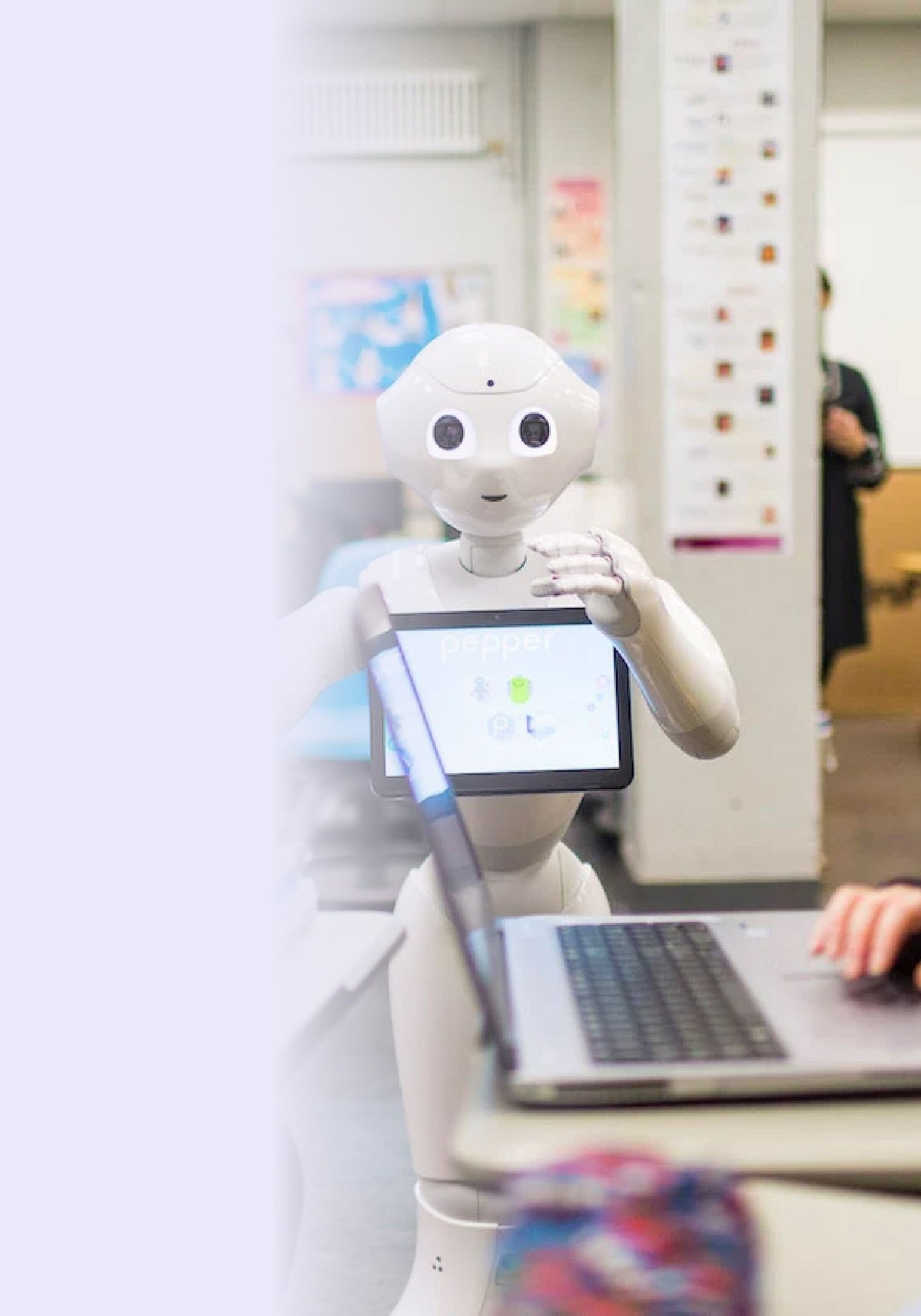
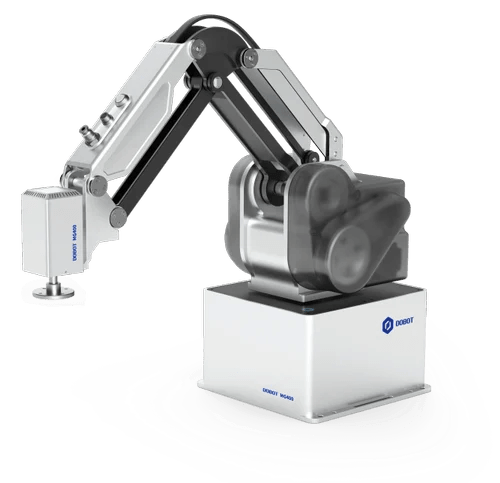
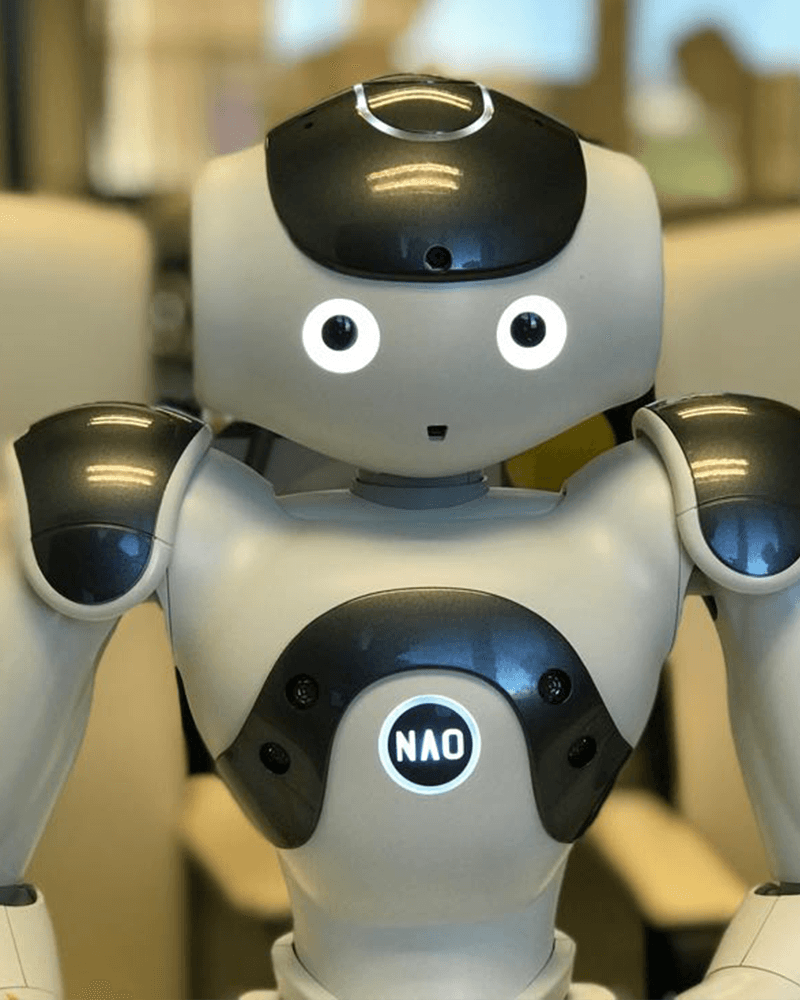
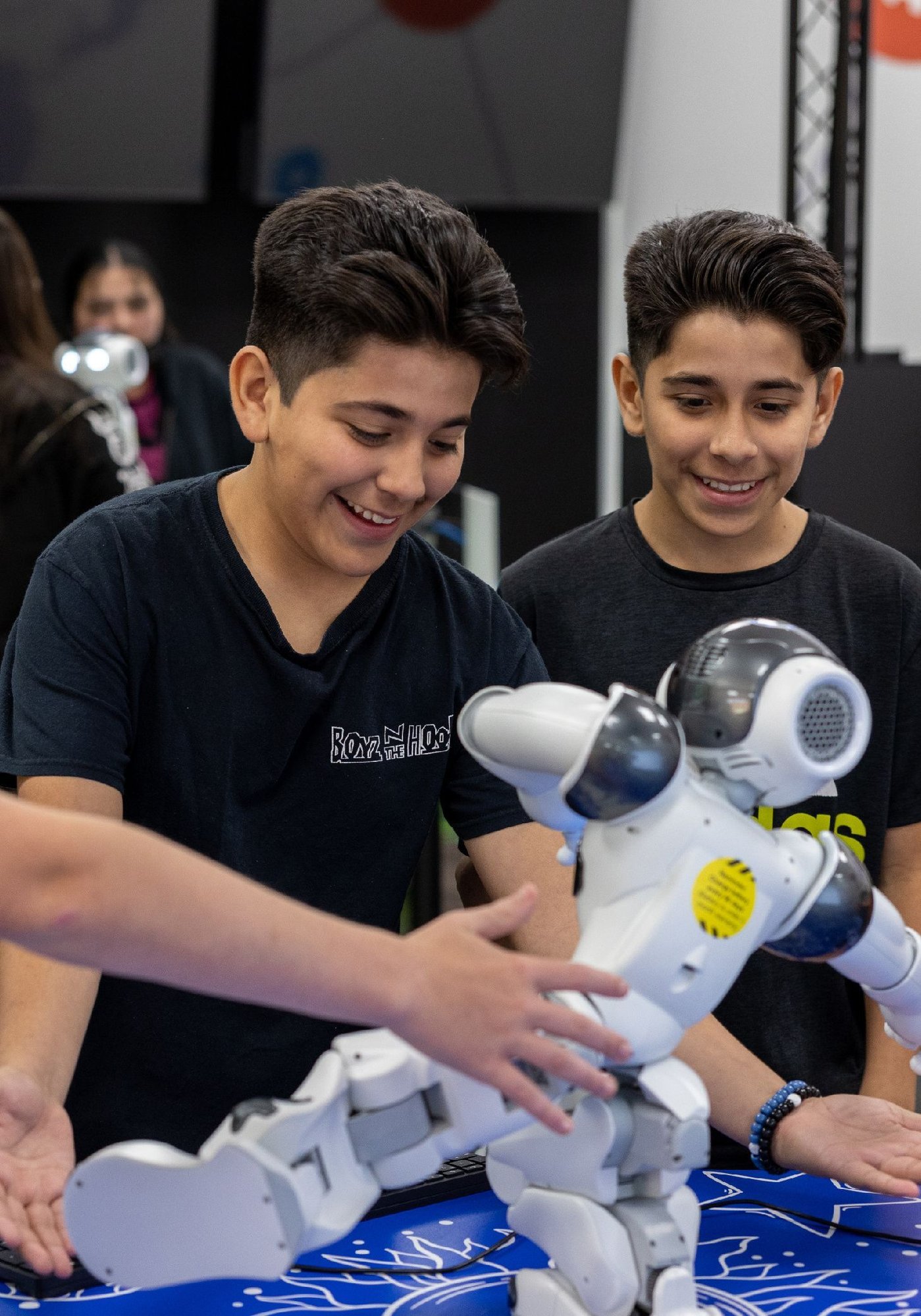
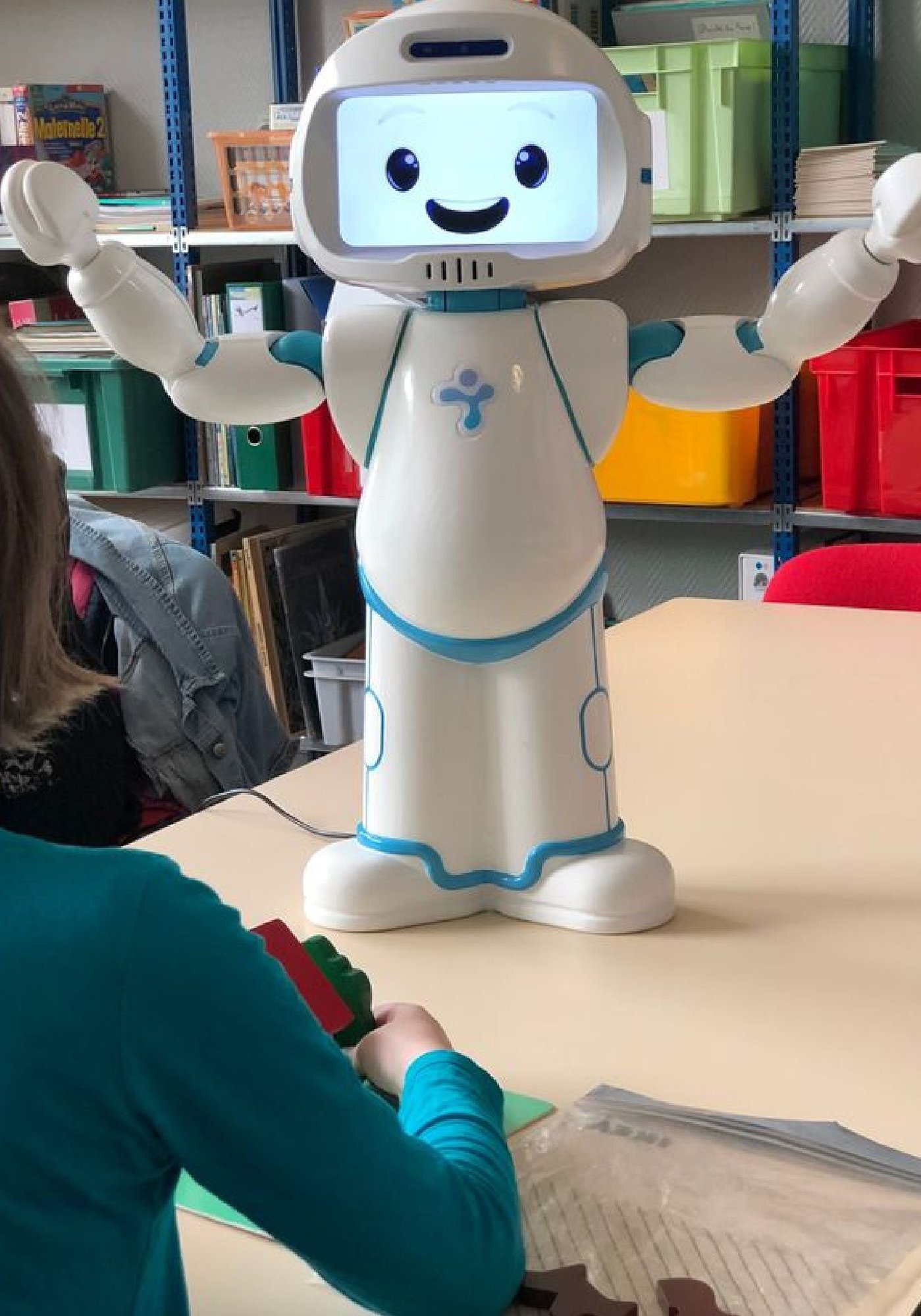
Robotics in STEM education offers a wealth of opportunities for hands-on learning, providing a comprehensive understanding of both hardware and software components. By working with physical robots, students gain practical experience with sensors, microcontrollers, and other essential hardware elements. This hands-on approach allows them to explore how these components interact, helping them understand the fundamental principles of robotics and electronics. Students learn to assemble, configure, and troubleshoot physical systems, which deepens their grasp of mechanical and electronic engineering concepts.
In addition to hardware, robotics education delves into the software side, where students engage in programming and coding to control robot functions. They learn to write and debug code that drives the robot's behavior, which involves understanding algorithms, logic, and calculations for movement. This aspect of robotics education covers complex tasks such as sensor integration, autonomous decision-making, and real-time data processing. By integrating both hardware and software learning, students develop a holistic skill set that prepares them for advanced STEM challenges and fosters a deeper appreciation for how technology operates and evolves.
STEM education nurtures problem-solving and critical thinking skills by integrating Science, Technology, Engineering, and Mathematics into a cohesive learning experience. This cross-disciplinary approach encourages students to tackle complex problems from multiple angles, fostering an innovation mindset essential for navigating today’s rapidly evolving technological landscape. Through hands-on, inquiry-based activities, students learn to analyze issues, develop and test hypotheses, and implement practical solutions, which promotes both technical proficiency and strategic thinking.
By encouraging students to view challenges as opportunities for innovation, STEM education also cultivates an entrepreneurial mindset. The collaborative and project-based nature of STEM learning helps students develop resilience, adaptability, and effective teamwork skills. As they explore the intersections of science, technology, engineering, and math, students gain the ability to synthesize knowledge across disciplines, preparing them to invent new solutions and drive technological advancement. This focus on innovation and creativity equips students for successful careers and empowers them to address complex future challenges with ingenuity and resourcefulness.
At the Bureau of Labor Statistics, when we talk about STEM occupations, these include computer and mathematical, architecture and engineering, and life and physical science occupations, as well as related managerial and postsecondary teaching occupations and sales occupations that require scientific or technical knowledge at the postsecondary level.
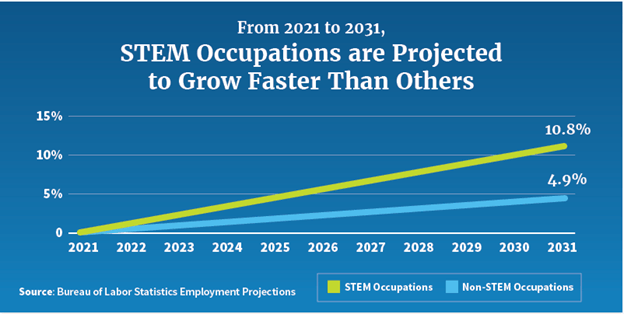
In 2021, there were nearly 10 million workers in STEM occupations and this total is projected to grow by almost 11% by 2031, over two times faster than the total for all occupations. They also pay substantially more: Median annual wages as of May 2021 were $95,420 for STEM occupations, compared to $40,120 for non-STEM occupations.
Servicio local, adaptado a tus necesidades!
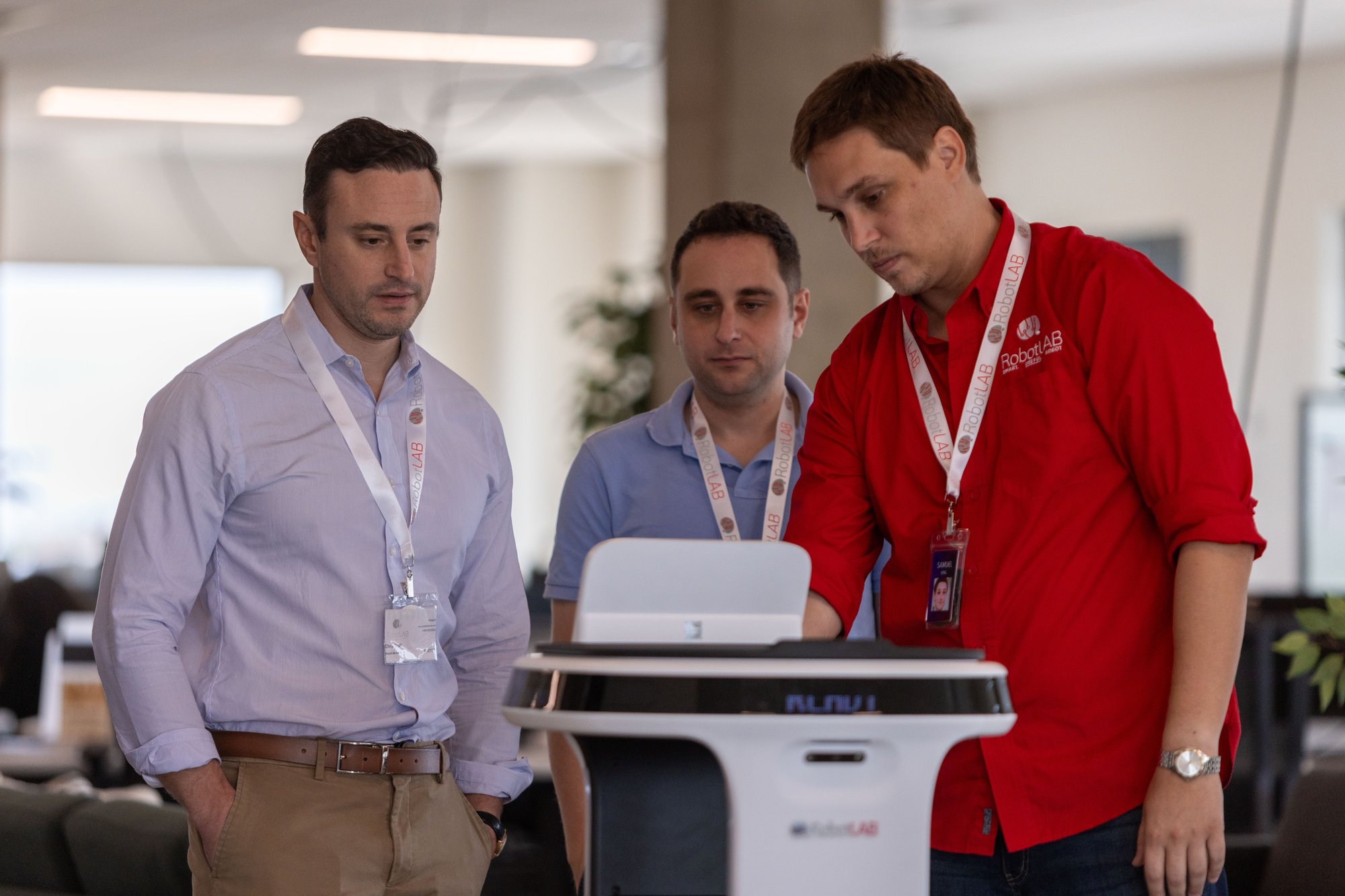
Con RobotLAB obtienes mucho más que robots: cuentas con un socio local y dedicado en robótica.
Ofrecemos servicios completos que incluyen implementación y capacitación en sitio, gestión de cuentas, creación de contenido, integración de sistemas y mantenimiento preventivo. Nuestro equipo de expertos proporciona Procedimientos Operativos Estándar y guías rápidas para apoyar a tu personal.
Con presencia a nivel nacional e internacional, nuestros centros de ventas, servicio y reparación siempre están cerca de ti.
Pagos Mensuales Accesibles para Robots
Elige un plan de financiamiento para distribuir los pagos, mantener tu flujo de caja y conservar tu flexibilidad financiera.
Nuestras opciones de financiamiento hacen sencillo integrar un robot en tu organización, garantizando accesibilidad y facilidad. Trabajamos con socios financieros de confianza para conseguir las tasas más competitivas, adaptadas a tu perfil crediticio y necesidades específicas.
Así podrás acceder a tecnología robótica avanzada con pagos mensuales manejables, sin comprometer tu presupuesto.

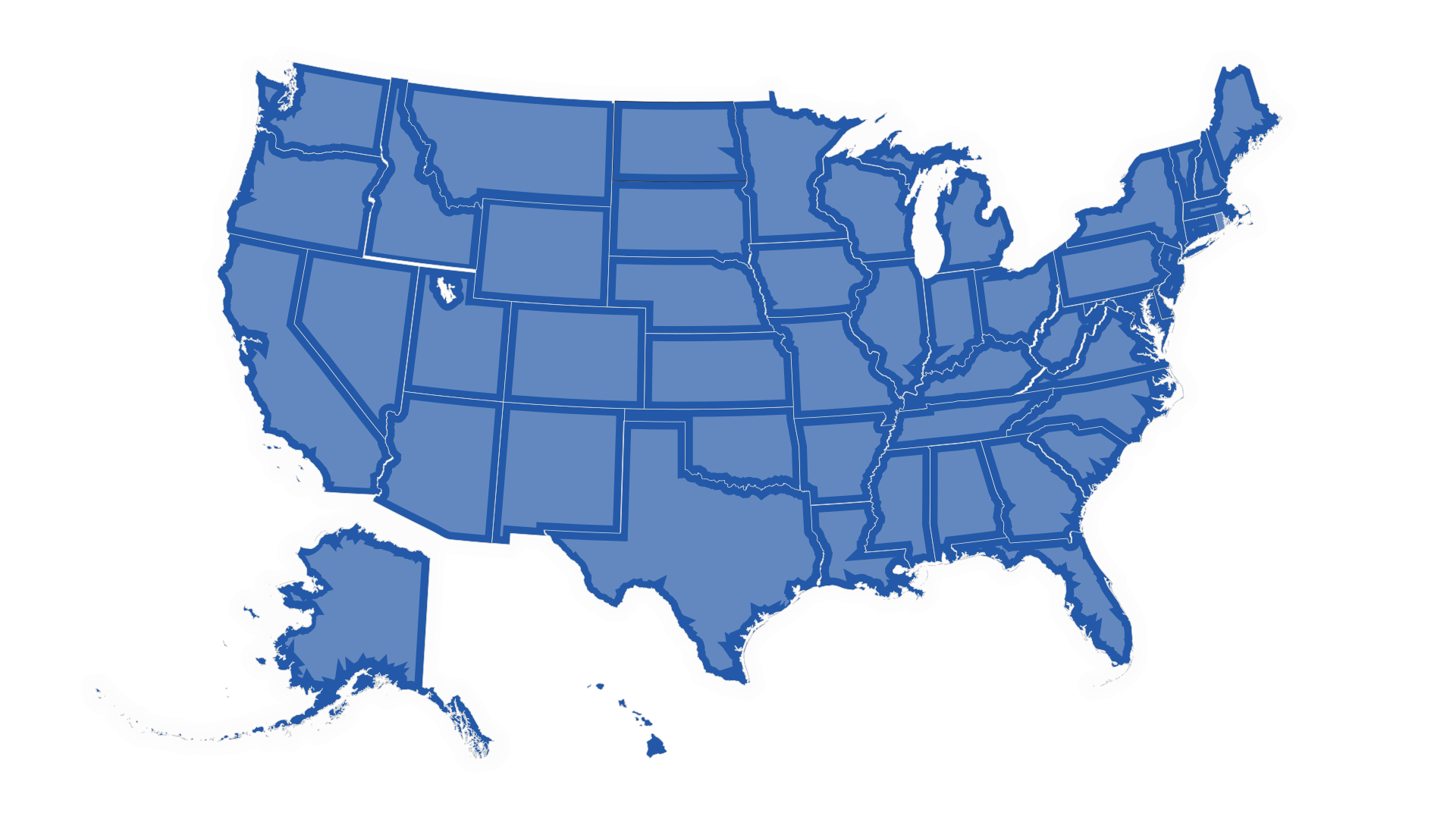
Explora las ubicaciones de RobotLAB cerca de ti. RobotLAB está creciendo a nivel nacional e internacional.
Si te interesa unirte a nuestra red en constante expansión y llevar la robótica y la inteligencia artificial a tu comunidad, visita nuestra página de franquicias de RobotLAB.