RobotLAB Elementary Robotics Camp
RobotLAB Elementary Robotics Camp
- Manufacturer
- RobotLAB
- Capability
- AI Labs, Coding & AI, Innovation Labs, STEM Education
- Support
- US sales, setup & service
Overview
What is the RobotLAB Elementary Robotics Camp?
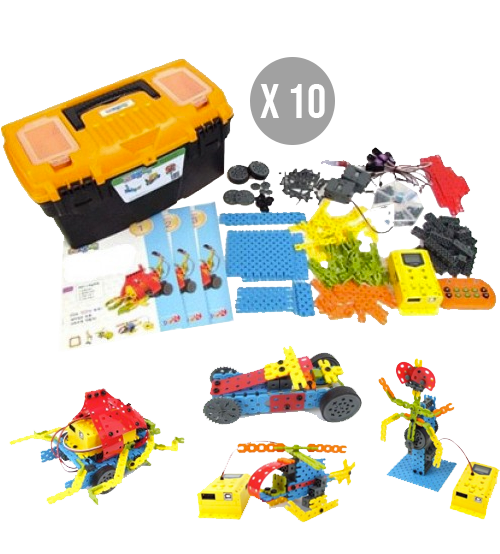
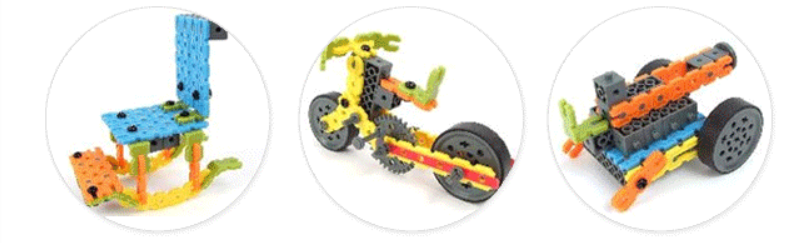
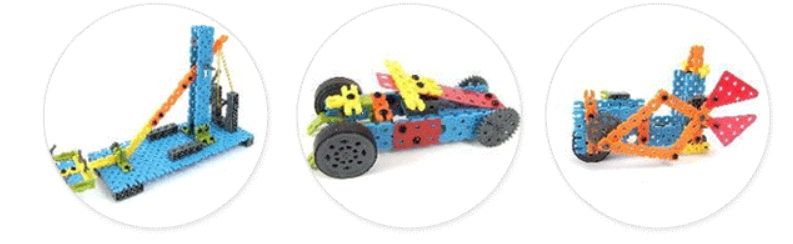
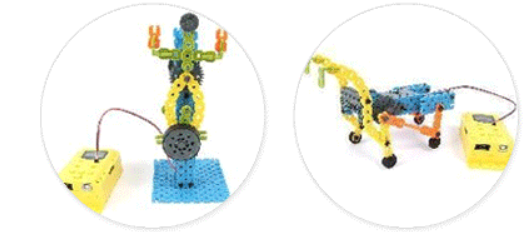
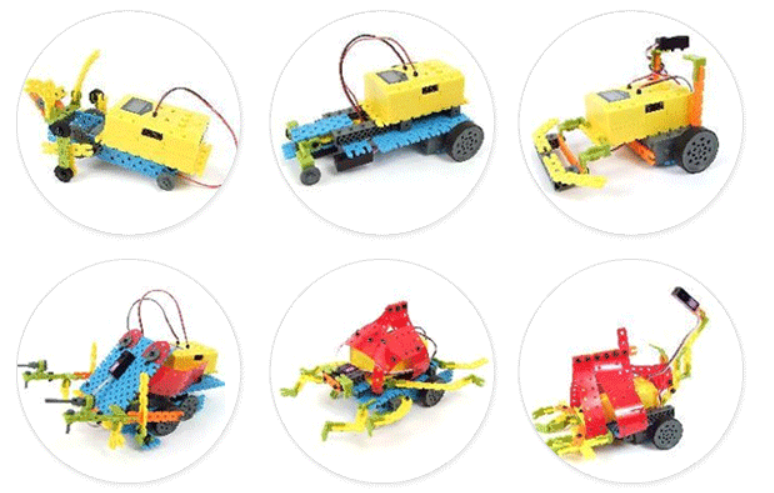
The Elementary Robotics Summer Camp is a perfect introduction to robotics for students in Grades 3-8. Students will learn scientific principles as they build over 40 robots including a Dragonfly, a Spider, a Surfer, a Bell, a Water Mill, an Airplane, a Fox, a Giraffe, an Elephant, a Fencer, a Goalkeeper, a Skater, a Skier, a Striker, a Swimmer, a Tennis Player, a Weight Lifter, a Rocking Chair, a Windmill, a Boat, an Helicopter, a Bicycle, an Airplane, a Motorcycle, a See-Saw, a Viking, a Catapult, a Car, a ScissorsBot , a Shoveling Machine, a Copy Machine, a Manual Fan, a Dancing Clown, a 4-legged crawler, a motor Helicopter, a BettleBot, a Troublemaker, a Line Tracer, a Brick Board, a Remote Control Car, an Avoider, a Spider SoccerBot and a Scorpion Soccerbot. The step-by-step curriculum will lead you through 12 weeks of instruction for 20 students. All activities are available in Google 3D Warehouse and you can build your own 3D models to better understand the engineering process.
Specifications
Key specs
| Month: | Week: |
| 1 | 1 |
| Part list of EQ-ROBO1 | 5) Exercise 3 : Making models (dragonfly, giraffe, fox, spider, elephant, chair) |
| 2 | Object's identify |
| Expression | 3) Exercise 2 : Represent the characteristics of objects |
| 3 | Science principle-I in life |
| 4 | Science principle-II in life |
| 6 | Science principle-IV in life |
| 7 | Science principle-V in life |
| 8 | Line tracer |
| 10 | Avoider |
| 11 | Battle robot |
| 12 | Soccer robot |
How it works
RobotLAB Elementary Robotics Camp in detail
Achieve an understanding of the framework structure when manufacturing basic models such as common block products
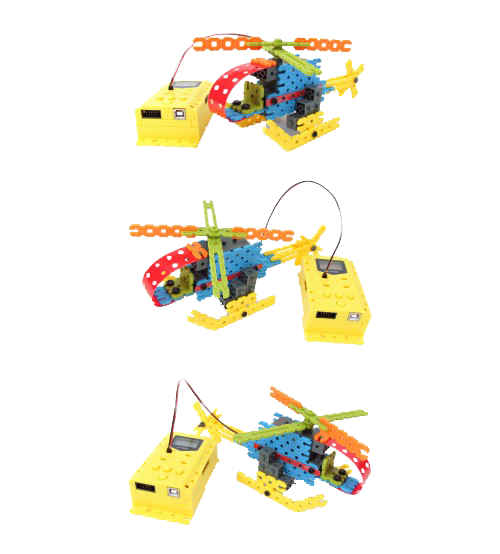
Your Students can learn how to make a robot move while using a propeller with a rubber band:
You can create a model using two motors, sensors, and a remote control
Compare
How the RobotLAB Elementary Robotics Camp compares
| Month: | Week: | Subject: | Study Contents: |
| 1 | 1 | Robot Definition | 1) What is the robot? |
| 2) What kind of parts are used in EQ-ROBO1 kit? | |||
| & | 3) Exercise 1 : Assemble individual parts (brick, frame, axis, bushing, bolt, nut) | ||
| 4) Exercise 2 : Making diagram figures (triangle, rectangle, octangle, circle) | |||
| Part list of EQ-ROBO1 | 5) Exercise 3 : Making models (dragonfly, giraffe, fox, spider, elephant, chair) | ||
| 2 | Object's identify | 1) Creative thinking | |
| - Find the characteristics of object and Expression | |||
| & | 2) Exercise 1 : Represent the characteristics of athletes | ||
| - swimmer, tennis player, fencer, striker, goalkeeper, fencer, weight lifter | |||
| Expression | 3) Exercise 2 : Represent the characteristics of objects | ||
| - bicycle, rocking chair, windmill, boat, helicopter, airplane, firearm, motorcycle | |||
| 3 | Science principle-I in life | 1) Machine Foundations-I | |
| - the center of gravity, leverage principles, link structure, friction, power transmission | |||
| 2) Exercise 1 : Making the seesaw (the center of gravity, leverage principles) | |||
| 3) Exercise 2 : Making the Viking rides (friction) | |||
| 4) Bonus exercise 1 : Making the watermill (power transmission) | |||
| 5) Bonus exercise 2 : Making the ringing a bell (link structure) | |||
| 4 | Science principle-II in life | 1) Machine Foundations-II | |
| - elastic power | |||
| 2) Exercise 1 : Making the catapult (leverage principle & elasticity of rubber band) | |||
| 3) Exercise 2 : Making the rubber band power-driven car | |||
| 4) Exercise 3 : Making the ScissorsBot (link structure & elasticity of rubber band) | |||
| 5) Bonus exercise 1 : Making the rubber band power-driven propeller plane | |||
| 2 | 5 | Science principle-III in life | 1) Machine Foundations-III |
| - motor, gear, gear train, gear ratio, crank | |||
| 2) Exercise 1 : Making a manual fan (acceleration gear) | |||
| 3) Exercise 2 : Making a dancing clown (motor, power transmission) | |||
| 4) Exercise 3 : Making a 4-legged crawler (motor, reduction gear, crank, link) | |||
| 5) Bonus exercise 1 : Making a shoveling machine (reduction gear, crank, link) | |||
| 6 | Science principle-IV in life | 1) Electronics Foundations-I | |
| - Brain of robot : main controller's function, usage and I/O ports | |||
| 2) Exercise 1 : Making a helicopter (main controller, 1 motor) (safety training) | |||
| 3) Exercise 2 : Making a BeetleBot (main controller, 1 motor) | |||
| 4) Class robot competition : 1m running using BeetleBot | |||
| 7 | Science principle-V in life | 1) Electronics Foundations-II | |
| - Infrared ray, Ir & Photo TR sensor | |||
| 2) Exercise 1 : Making a troublemaker (main controller, Ir sensor, 2 motor) | |||
| 3) Bonus exercise 1 : Making a copy machine (main controller, Ir sensor, 2 motor) | |||
| 8 | Line tracer | 1) Robot-I | |
| - Line tracing concept, operation principles and basic algorithm | |||
| 2) Exercise 1 : Making a line tracing robot (main controller, 3 Ir sensor, 2 motor) | |||
| 3) Exercise 2 : Testing the operating status according to the different sensor's distance | |||
| 4) Class robot competition : Line tracing | |||
| 3 | 9 | Science principle-VI in life | 1) Electronics Foundations-III |
| - Remote controller | |||
| 2) Exercise 1 : remote controller's function, usage and communication channel setting | |||
| 3) Exercise 2 : Making a brick board game (main controller, remote controller, 1 motor) | |||
| 4) Exercise 3 : Making a remote control car (main controller, remote controller, 2 motor) | |||
| 5) Class robot competition : Car racing by remote controller | |||
| 10 | Avoider | 1) Robot-II | |
| - Obstacle avoiding concept, operation principles and basic algorithm | |||
| 2) Exercise 1 : Making an avoider robot (main controller, 3 Ir sensor, 2 motor) | |||
| 3) Exercise 2 : Testing the operating status according to the different sensor's distance | |||
| 4) Class robot competition : Obstacle avoiding | |||
| 11 | Battle robot | 1) Robot-III | |
| - Understanding the conductors, insulators, semiconductors | |||
| 2) Exercise 1 : Making a battle robot (main controller, remote controller, 2 motor) | |||
| 3) Class robot competition | |||
| - 1:1 battle competition (sumo wrestling) | |||
| - 2:2 battle competition (bursting the balloon) | |||
| 12 | Soccer robot | 1) Robot-IV | |
| - Understanding the electric current, voltage and resistance | |||
| 2) Exercise 1 : Making a spider soccer robot | |||
| 3) Exercise 2 : Making a scorpion soccer robot | |||
| 4) Class robot competition : 3:3 robot soccer game |
Gallery
See the RobotLAB Elementary Robotics Camp
Talk to a specialist
Get pricing & a free demo of the RobotLAB Elementary Robotics Camp.
Same-day response. We handle delivery, on-site setup, staff training, and ongoing service nationwide.
Questions & answers
About the RobotLAB Elementary Robotics Camp.
-
What is the RobotLAB Elementary Robotics Camp?
The Elementary Robotics Summer Camp is a perfect introduction to robotics for students in Grades 3-8. Students will learn scientific principles as they build over 40 robots including a Dragonfly, a Spider, a Surfer, a Bell, a Water Mill,…
-
How much does the RobotLAB Elementary Robotics Camp cost?
The RobotLAB Elementary Robotics Camp is listed at $1,595 by RobotLAB. Financing and Robots-as-a-Service (RaaS) options are available — request a quote for current terms.
-
What are the key specifications of the RobotLAB Elementary Robotics Camp?
Key specs (per RobotLAB): Month:: Week:; 1: 1; Part list of EQ-ROBO1: 5) Exercise 3 : Making models (dragonfly, giraffe, fox, spider, elephant, chair); 2: Object's identify; Expression: 3) Exercise 2 : Represent the characteristics of objects; 3: Science principle-I in life.
-
How do I buy or demo the RobotLAB Elementary Robotics Camp?
Request a free demo or quote for the RobotLAB Elementary Robotics Camp through RobotLAB. We handle delivery, on-site setup, staff training, and ongoing service nationwide. Call 1-87-RobotLAB or use the form on this page.
Related robots
More ai labs robots
RobotLAB Robot
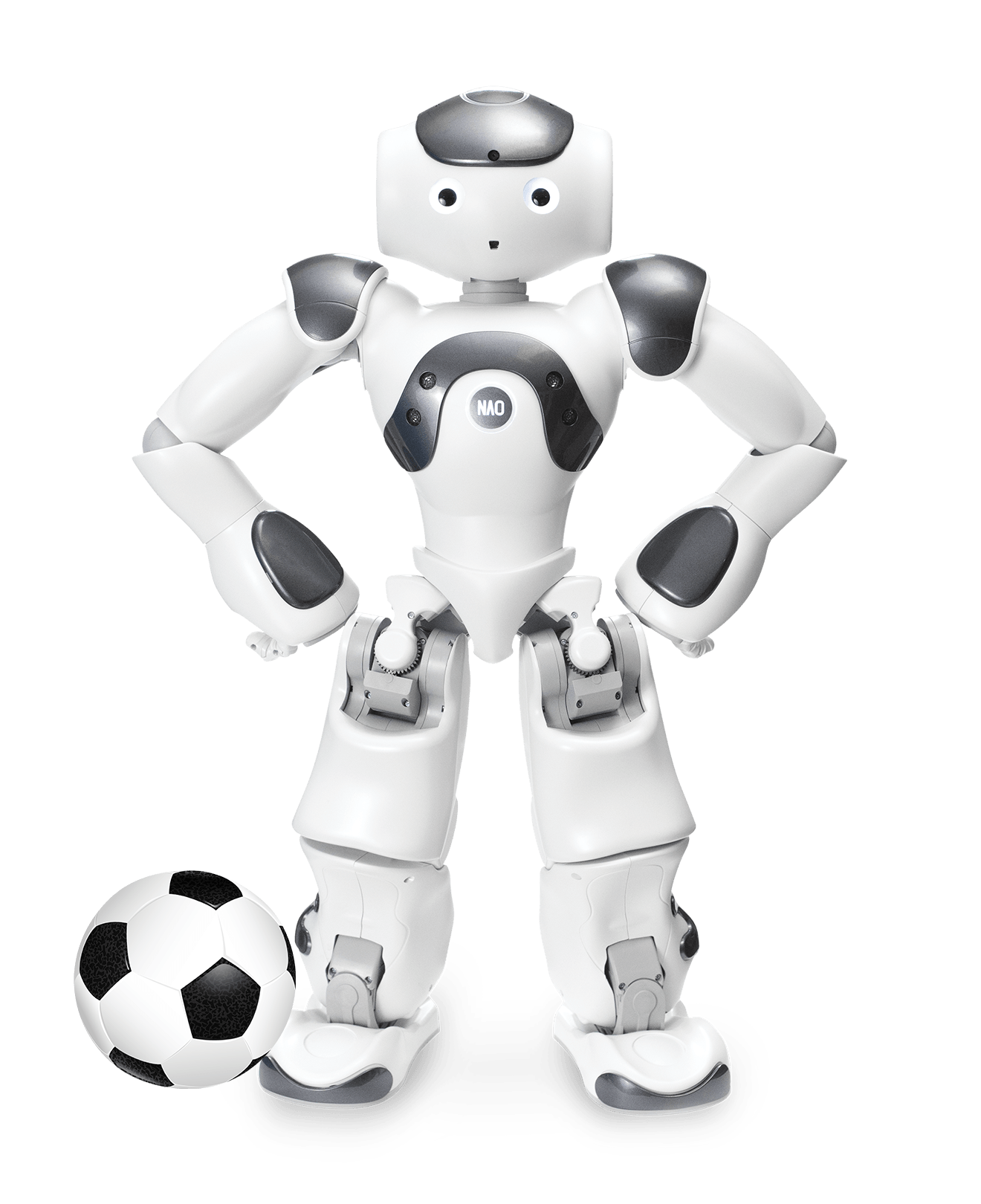
NAO Robot RoboCup Edition for Schools
NAO V6 Available only for official teams competing on RoboCup
Contact Us
AgileX AgileX
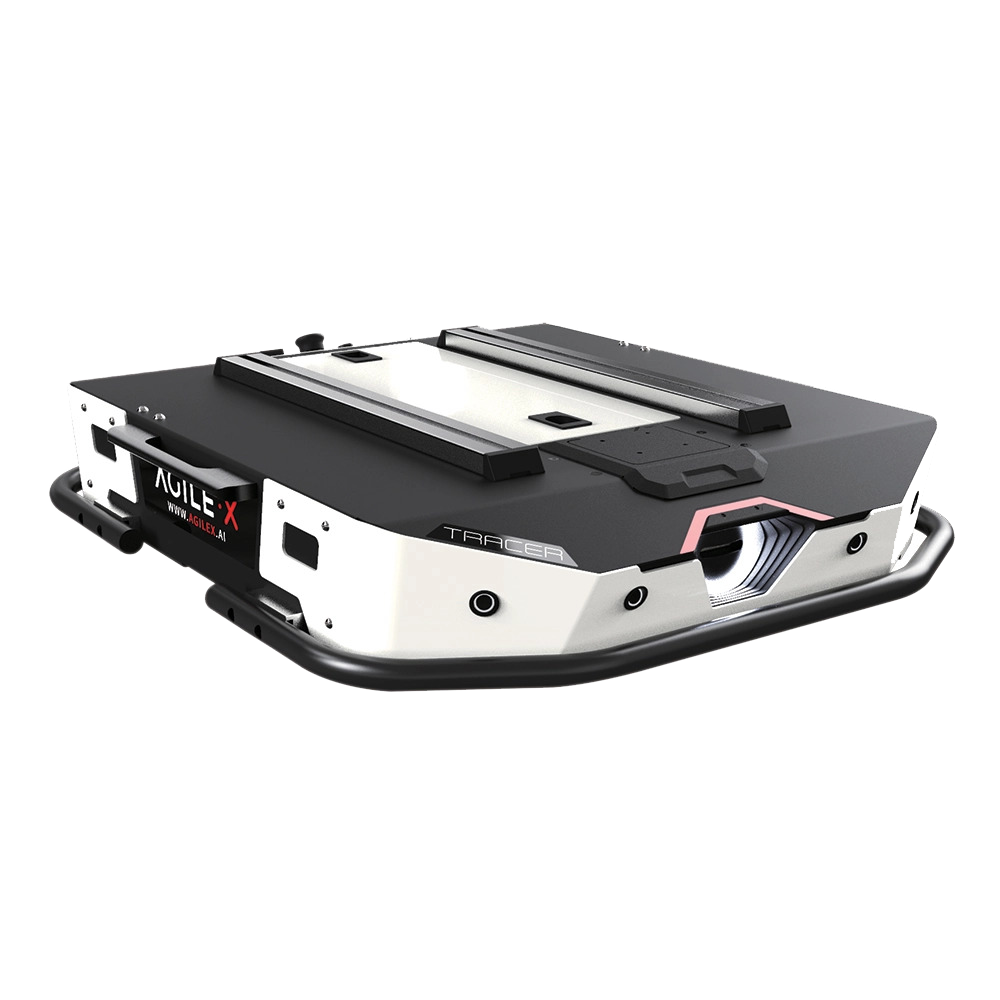
AgileX Tracer AGV Robot
A compact 100 kg-payload differential-drive AGV base used in university robotics programs for autonomous indoor logistics and navigation research.
From $6,500 purchase
Blueye Robot
Blueye Pro Underwater Drone
Professional 305 m underwater inspection drone with a tilting Full HD camera — single-operator deployable, sold and serviced nationwide by RobotLAB.
Contact Us