<img alt="" src="https://secure.smart-enterprise-52.com/266730.png" style="display:none;">
stem education-01

I Want To Learn More / Get a Demo:


Too much to read? Don't have time?
Choose your favorite AI, and it will summarize the content for you:


transparent-2

Robotics: A gateway to mastering coding and AI in education and research

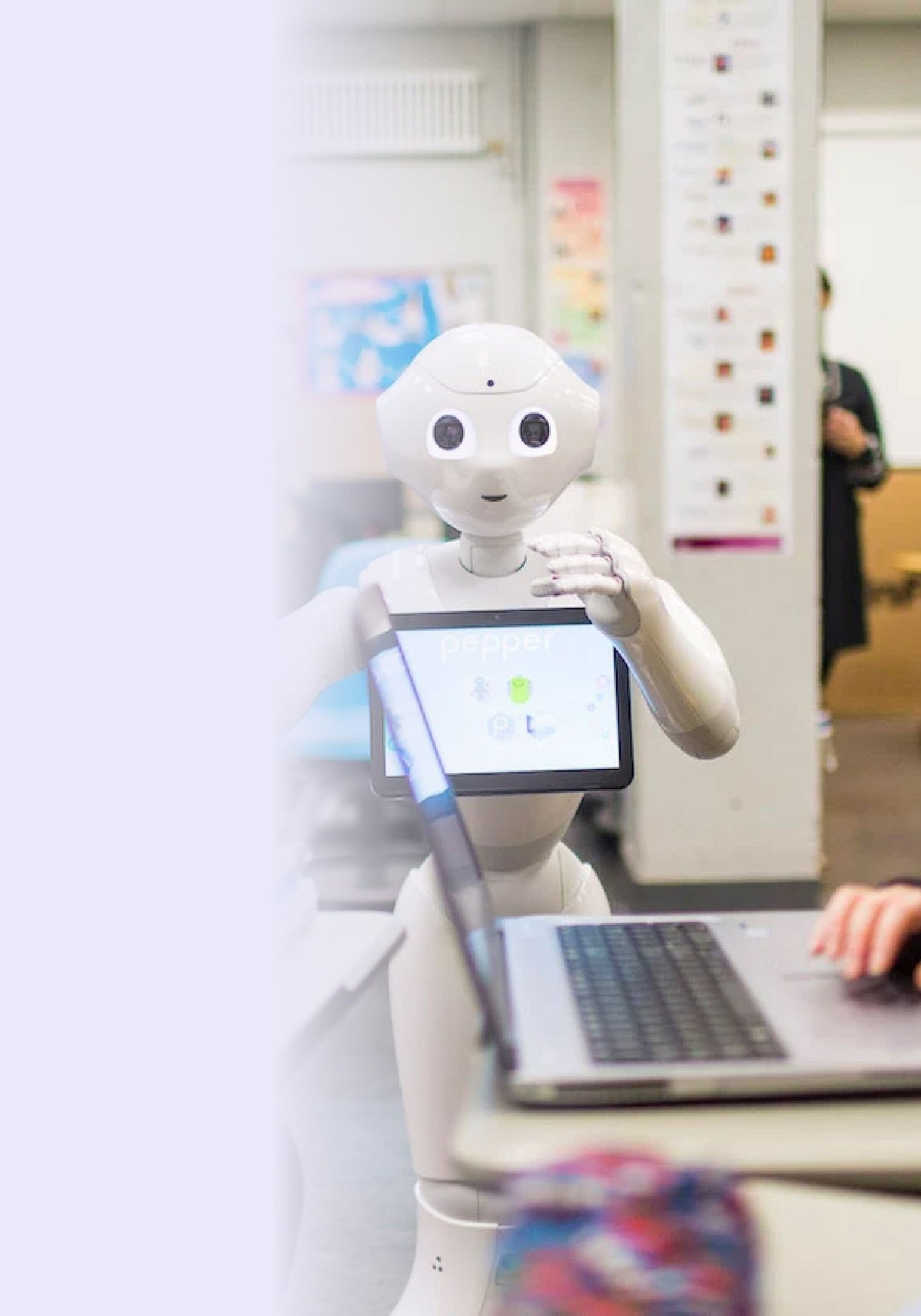
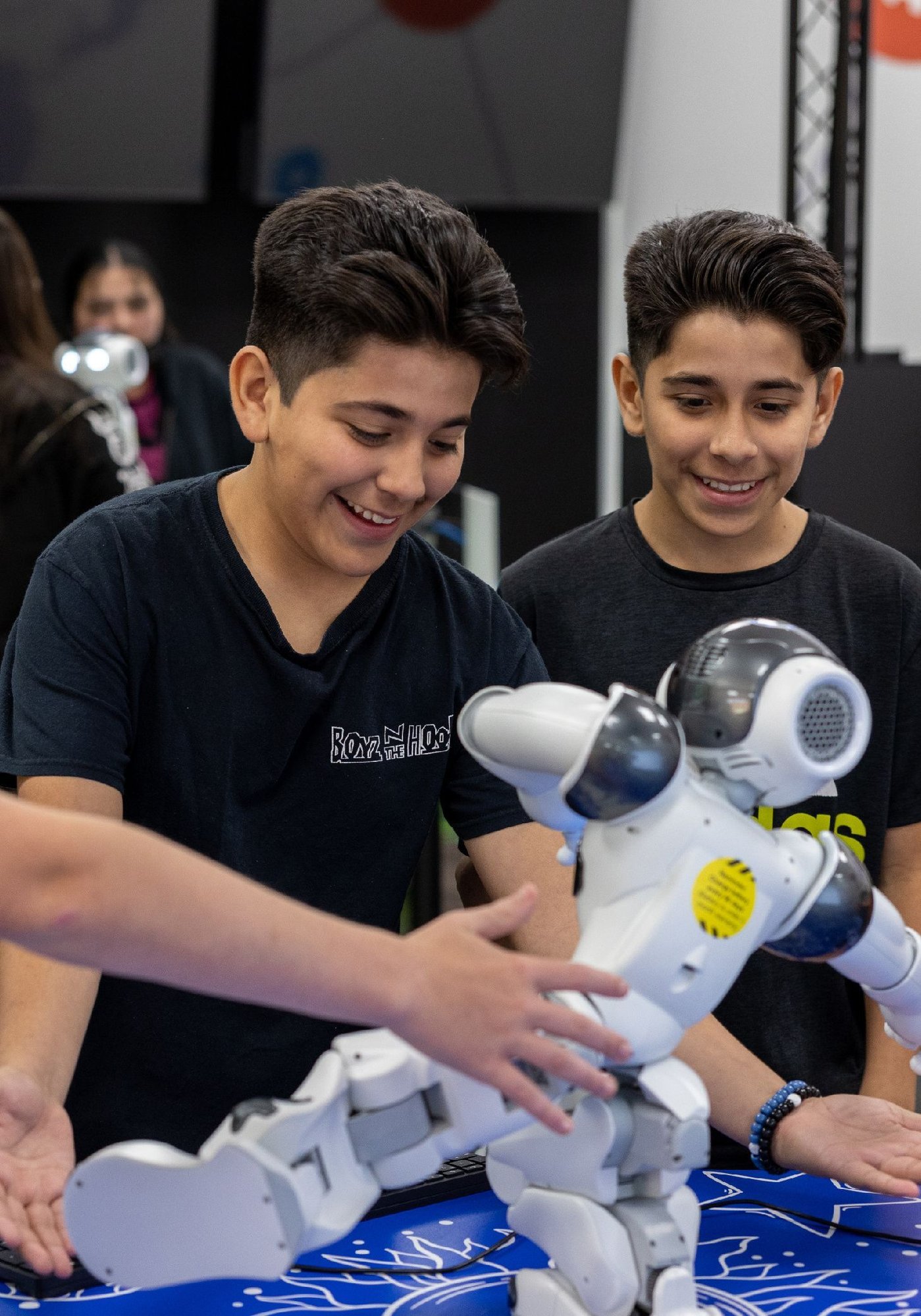
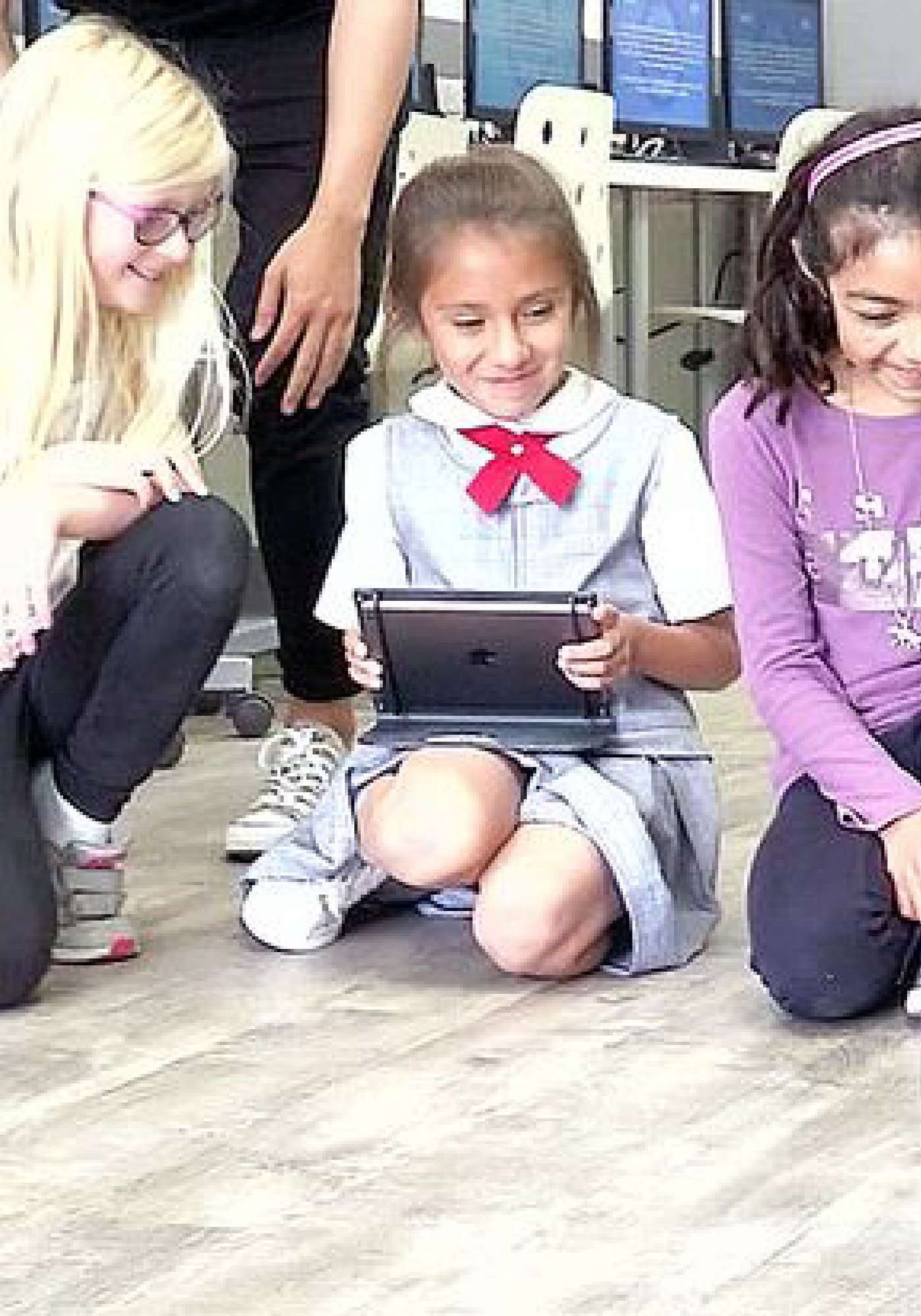
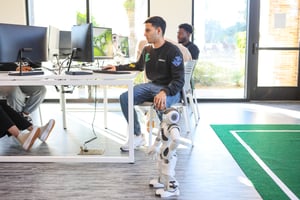
Robotics offers a dynamic and interactive approach to learning coding and AI, serving as a powerful educational tool across all levels of learning. In K-12 education, robotics engages students with hands-on projects that make abstract coding concepts tangible, developing critical thinking, problem-solving, and teamwork skills. Through different platforms, young learners can build and program robots, gaining practical experience in a fun and stimulating environment. As students advance to higher education, robotics courses and research projects provide deeper insights into AI and complex programming.

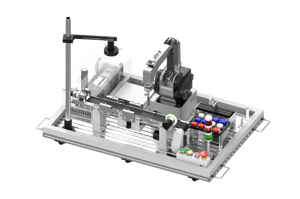
Universities utilize sophisticated robotic platforms and AI-driven applications, enabling students to tackle real-world challenges and contribute to cutting-edge research. By integrating robotics into the curriculum, educational institutions can bridge the gap between theoretical knowledge and practical application, preparing students for future careers in technology and engineering.

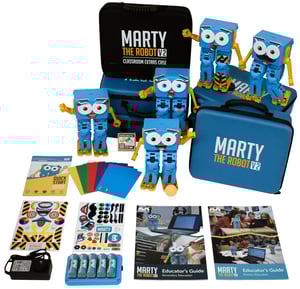
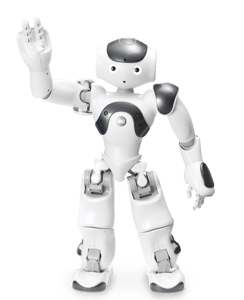
See our K-12 robots, STEM education, and higher ed robotics.

See K-12 robots, STEM education, higher ed.

How do robots enhance problem-solving skills in coding?

Robots help develop problem-solving skills through coding activities by providing a tangible and interactive platform for students to apply their coding knowledge. When programming robots, students must break down complex tasks into smaller, manageable steps, which encourages logical thinking and systematic problem-solving.

The trial-and-error nature of coding for robots allows students to experiment, debug, and refine their solutions, promoting resilience and adaptability. Additionally, as students work on robotics projects, they often encounter real-world challenges that require creative solutions and collaboration, further enhancing their critical thinking and teamwork skills.

HALF-PAGE-2
HALF-PAGE-2
stem-01
vr ar half image-01

Robotics: Unlocking AI Programming Skills

Robotics offers a dynamic approach to mastering AI programming, allowing learners to bridge the gap between theoretical knowledge and real-world application. By coding robots to perform a variety of tasks, students gain hands-on experience with AI algorithms and autonomous decision-making processes. This direct interaction with AI concepts provides a deeper understanding of how these technologies function in practical settings, making the learning experience both comprehensive and impactful.

Beyond technical skill development, this engaging method also fosters critical thinking and problem-solving abilities. As students work through the challenges of programming robots to adapt and respond to different scenarios, they enhance their ability to analyze problems, devise solutions, and think creatively. The combination of technical proficiency and cognitive growth positions students to excel in the rapidly evolving field of AI, equipping them with the skills necessary to tackle complex issues and innovate in technology-driven environments.

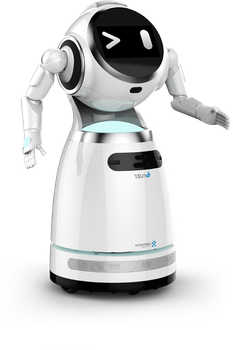
cruzr-angle

Robotics in coding and AI programming offers a powerful educational tool that bridges theory and practice. By allowing students to code and control robots, they gain practical experience with AI algorithms and autonomous systems, deepening their understanding of complex concepts. This hands-on approach not only enhances technical skills but also nurtures critical thinking and problem-solving abilities, preparing learners for future challenges in technology-driven fields. With robotics, students are empowered to innovate, experiment, and apply their knowledge in real-world scenarios, driving both personal growth and advancements in AI technology.

Robot-Helper At Your Service

FILTER BY:

Frequently Asked Questions About Coding & AI Robots

What languages do students learn?

Block programming, Python, JavaScript, ROS. Progressive curriculum from elementary through higher ed.

What robots support coding?

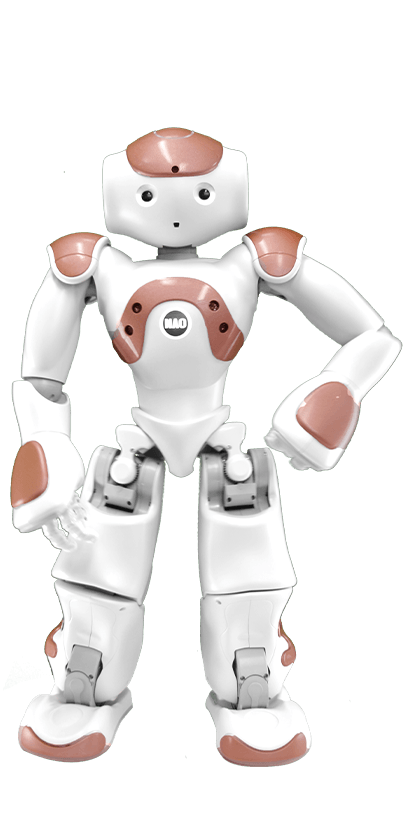
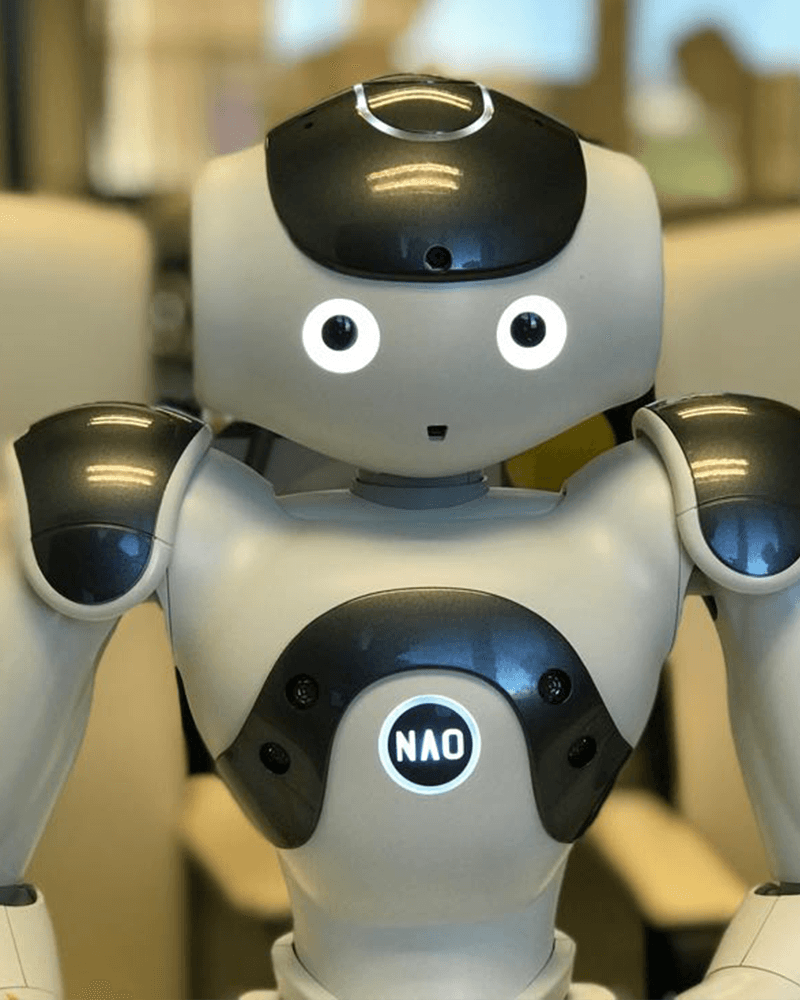
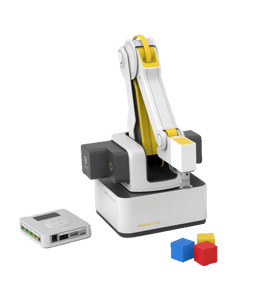
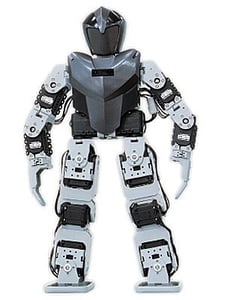
Simple floor robots to humanoids and robotic arms. 46,000+ units deployed.

Cost?

$200 to $15,000+. Grant-compatible.

Teacher experience needed?

No. PD and complete curriculum included.

AI concepts?

Machine learning, computer vision, NLP, data analysis, neural networks.

Curriculum-aligned?

Yes. CSTA, ISTE, NGSS, Common Core math.

Cross-curricular?

Yes. Math, science, ELA, social studies through robot programming.

What is the AI LAB?

Turnkey STEM space with AI stations for coding, ML, robotics, data science.

Funding?

Title I, ESSER, Perkins CTE, state CS initiatives.

Getting started?

Free consultation. Custom recommendations within 48 hours.

From the Field: Almost Two Decades of Commercial Robotics

"The best way to learn to code is to see your code do something physical. When a student writes Python and a robot moves, that feedback loop is immediate, tangible, and unforgettable." - Elad Inbar, CEO and Founder, RobotLAB

From Blocks to Python

Visual blocks for beginners, Python and JavaScript for advanced. Every grade level has an entry point and growth path.

Physical Computing

Code that controls a real robot creates deeper learning than screen-only coding. Students see, touch, and debug physical outcomes.

AI and Machine Learning

Neural networks, computer vision, NLP, and data science with real AI tools on real platforms.

CSTA and ISTE Aligned

Complete curriculum with lesson plans, assessments, and teacher guides for CS education standards.

RobotLAB Customers in Numbers
46,000+
Classroom Robots
Deployed
12,500+
Higher Ed
Units
7,400+
School & District
Deployments
Grant
Compatible
Purchasing