<img alt="" src="https://secure.smart-enterprise-52.com/266730.png" style="display:none;">
Capability-12

I Want To Learn More / Get a Demo:


Too much to read? Don't have time?
Choose your favorite AI, and it will summarize the content for you:


trasnparent

Cutting-edge solutions for advanced fabrication.

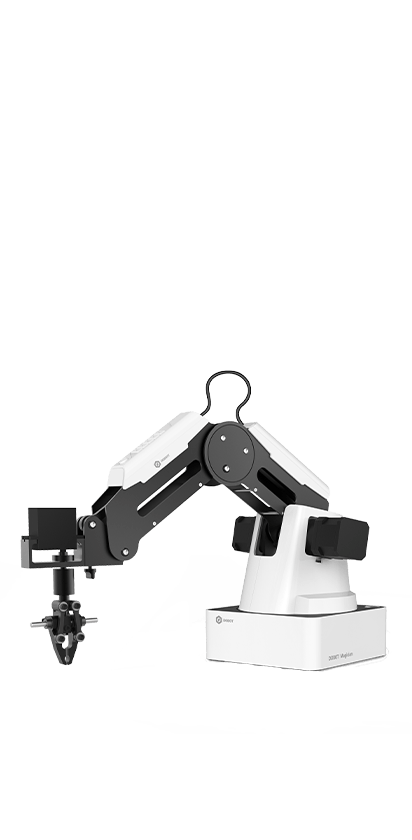
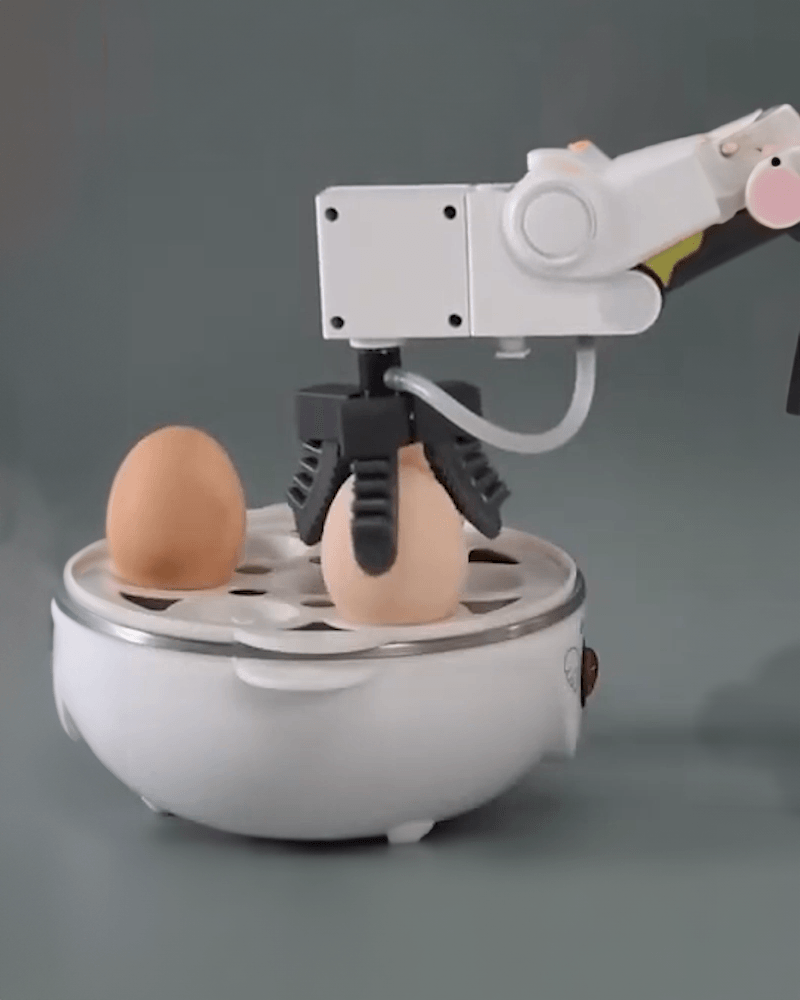
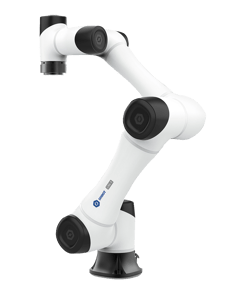
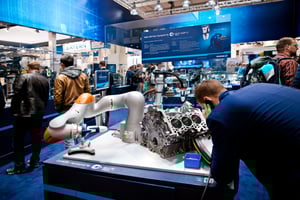
Robotics in fabrication labs provide transformative solutions that enhance the efficiency and precision of manufacturing processes. By automating tasks such as material handling, assembly, and machining, robotic systems minimize manual errors and increase accuracy. These advanced technologies streamline operations, enabling rapid prototyping and iterative design changes, which accelerate development cycles and support flexible manufacturing.

Furthermore, robotics facilitate complex, high-precision tasks that are essential for producing high-quality results. Their real-time monitoring and adaptive capabilities allow for continuous improvement and innovation. By integrating robotics into fabrication labs, organizations can achieve superior outcomes and push the boundaries of manufacturing possibilities, driving both efficiency and creative advancement.

See our innovation labs, coding & AI, and CTE solutions.

See innovation labs, coding & AI, CTE.

How are robotics changing fabrication labs for the better?

Robotics are transforming high school and university fabrication labs by enhancing precision, efficiency, and flexibility in educational manufacturing processes. These advanced systems automate intricate tasks such as 3D printing, material handling, and assembly, significantly reducing human error and improving accuracy. By streamlining rapid prototyping and allowing for quick iterations, robotics enable students and educators to experiment with design modifications more efficiently, fostering a more dynamic and responsive learning environment.

The integration of real-time monitoring and adaptive technologies ensures continuous improvement, allowing labs to maintain high standards of quality while optimizing workflow. Additionally, robotics empower students to undertake complex projects that would be challenging to achieve manually, pushing the boundaries of creativity and innovation. Overall, robotics are elevating fabrication labs into more efficient, accurate, and cutting-edge spaces, driving advancements in education and hands-on learning in manufacturing and design.

fab lab oozbot-01
fab lab oozbot-01
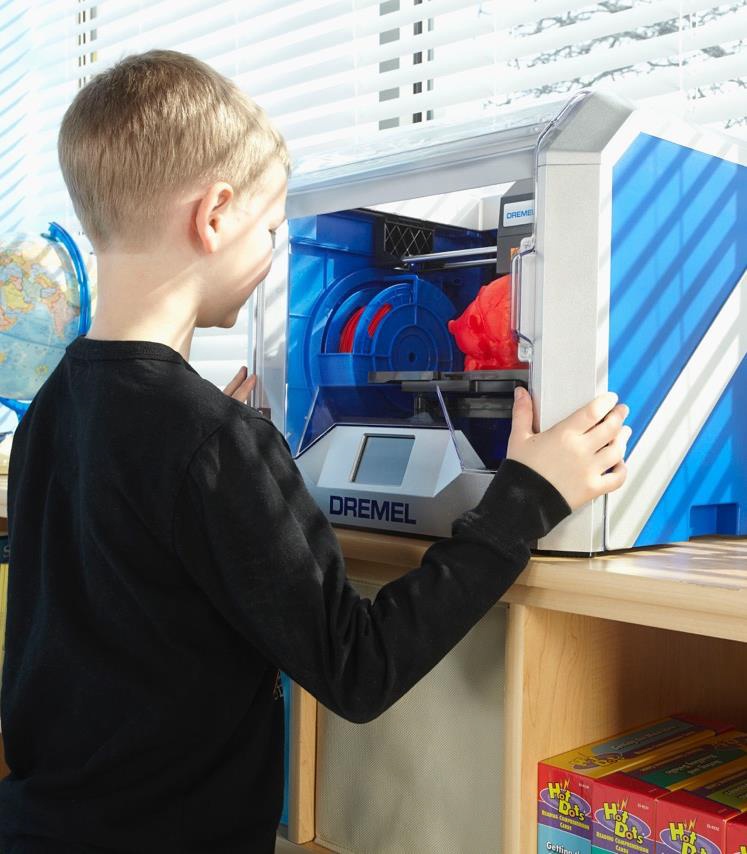
3D Printer Dremel Lab 2
half-page

What goes into a fabrication lab?

RobotLAB can help you design your Fabrication Lab according to the age group and budget. For example, an elementary Fab Lab may include Makey Makey, Ozobots, Cubelets, and other ready-made products that have more structure, whereas a university-level Fabrication Lab would have more open-ended products, like 3D printers, programmable autonomous robot chassis, or open-source programmable robots. Curriculum or lesson guides are available according to the products chosen to be in a specific Fab Lab and the level of experience that the Fab Lab users have.

Why implement a fabrication lab over or in addition to another solution?

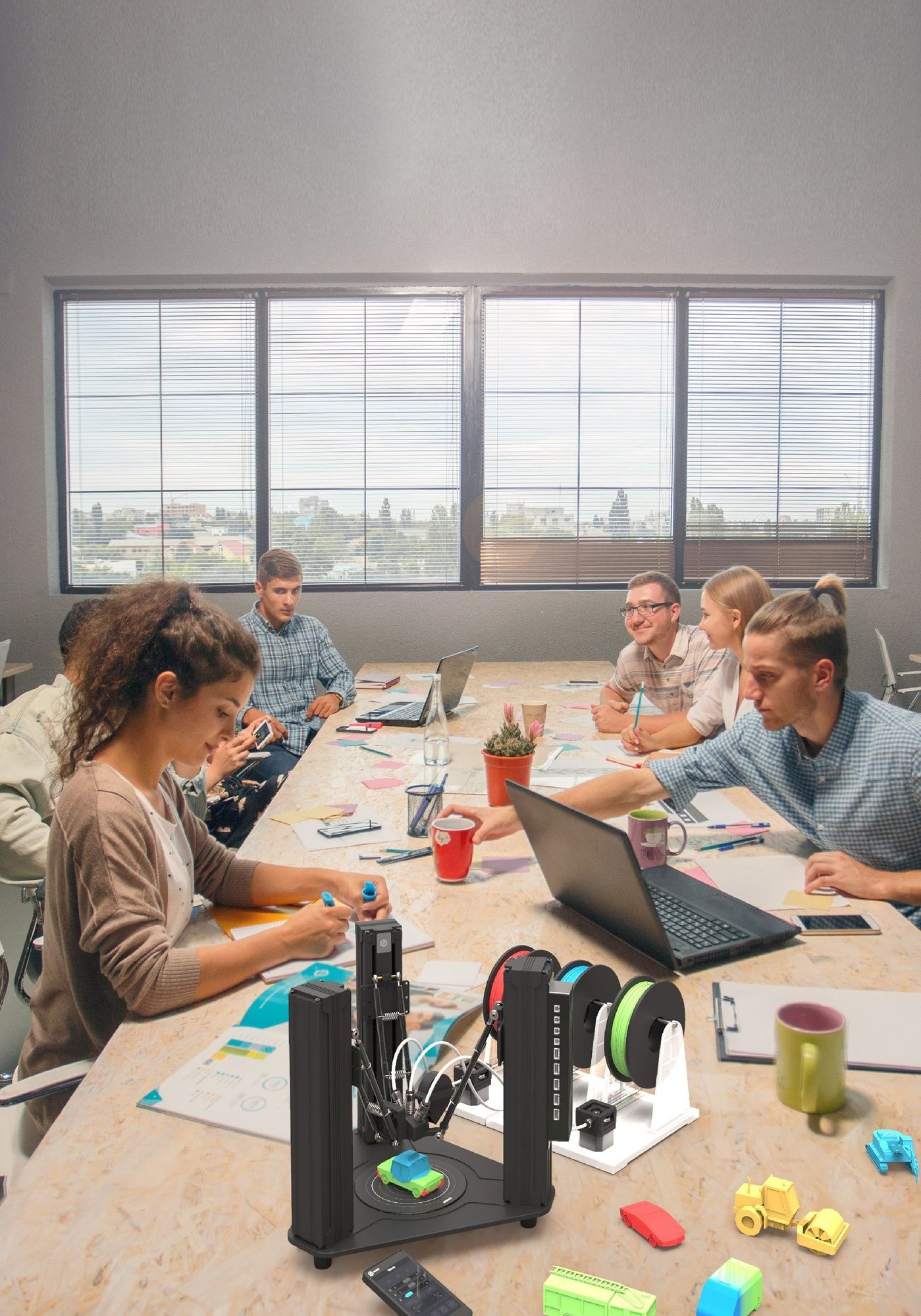
Maybe you already have an “AI Lab,” course, or lecture that teaches more traditionally structured STEAM subjects. Fab Labs offer a more creative, hands-on STEAM education that develops critical thinking, problem-solving, and teamwork skills. By providing real-world applications and interdisciplinary learning opportunities, Fab Labs help students apply theoretical knowledge practically and build valuable skills for future careers. Additionally, they encourage adaptability and resilience, preparing students for the challenges of the modern workforce. Overall, Fab Labs enrich the educational experience, creating a dynamic environment that nurtures creative and skilled learners.

MakerBot-Replicator-Desktop-3D-Printer
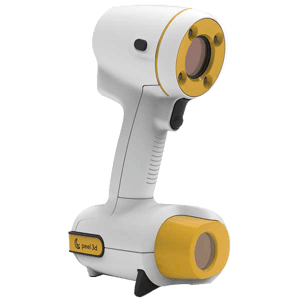
3D-scanner-peel-1-1

Fab Labs significantly enhance learning by fostering the development of soft skills, providing access to valuable resources, and offering quantifiable benefits. In these collaborative environments, students develop crucial soft skills such as teamwork, communication, and problem-solving, which are essential for both academic and professional success. A study by the Maker Education Initiative found that 90% of students reported improved collaboration skills after participating in Fab Lab activities. Additionally, Fab Labs grant students access to advanced tools and technologies, which might be unavailable in traditional classrooms. This access allows for hands-on, experiential learning, making abstract concepts more tangible. A study by the University of California, Berkeley, revealed that students who participated in Fab Lab programs were 30% more likely to pursue STEM-related fields in higher education. By integrating soft skills development with resource access, Fab Labs create an enriched learning environment that prepares students for future challenges.

Robot-Helper At Your Service

FILTER BY:

Frequently Asked Questions About Fabrication Labs

What equipment is in a fab lab?

3D printers, CNC machines, laser cutters, vinyl cutters, hand tools, and CAD workstations. Mix depends on grade levels and CTE pathways.

Who uses fabrication labs?

K-12 schools, universities, CTE programs, maker spaces. Part of 46,000+ ed-tech units deployed.

How much does a fab lab cost?

$15,000 to $100,000+. Perkins CTE, Title I, ESSER, state STEM grant compatible.

Does curriculum come included?

Yes. CTE-aligned and NGSS-aligned lesson plans for every tool. Design challenges and project-based learning.

Do teachers need experience?

No. Professional development included with every lab deployment.

Can fab labs integrate with robotics?

Yes. Students 3D print robot parts and enclosures, combining fabrication with programming.

What CTE pathways?

Engineering, manufacturing, architecture, product design, technology.

How is it funded?

Perkins CTE, Title I, ESSER, state STEM grants. Grant-ready quotes provided.

Setup time?

1 to 5 days including installation, calibration, and training.

How to start?

Free consultation. Custom lab design within 48 hours.

From the Field: Almost Two Decades of Commercial Robotics

"A fabrication lab teaches the most important lesson in engineering: you cannot learn to build by reading about building. Design, print, test, break, redesign. That iterative process creates the mindset every employer wants." - Elad Inbar, CEO and Founder, RobotLAB

3D Printing and Prototyping

Students design and print physical objects, learning CAD software, material science, and iterative design. Concept to prototype in hours.

CNC and Laser Cutting

Precision fabrication tools teach manufacturing principles, tolerances, and production workflows for CTE pathways.

Curriculum-Aligned Maker Ed

Every tool comes with lesson plans aligned to CTE, NGSS, and engineering standards. Project-based learning from design to fabrication.

Career Readiness

Graduates with fabrication experience enter engineering and manufacturing with practical skills their peers lack.


RobotLAB Customers in Numbers
46,000+
Classroom Robots
Deployed
12,500+
Higher Ed
Units
7,400+
School & District
Deployments
Grant
Compatible
Purchasing