
Kura Sushi Integrates KettyBot to Elevate Service and Scale Smarter
Apr 7, 2026
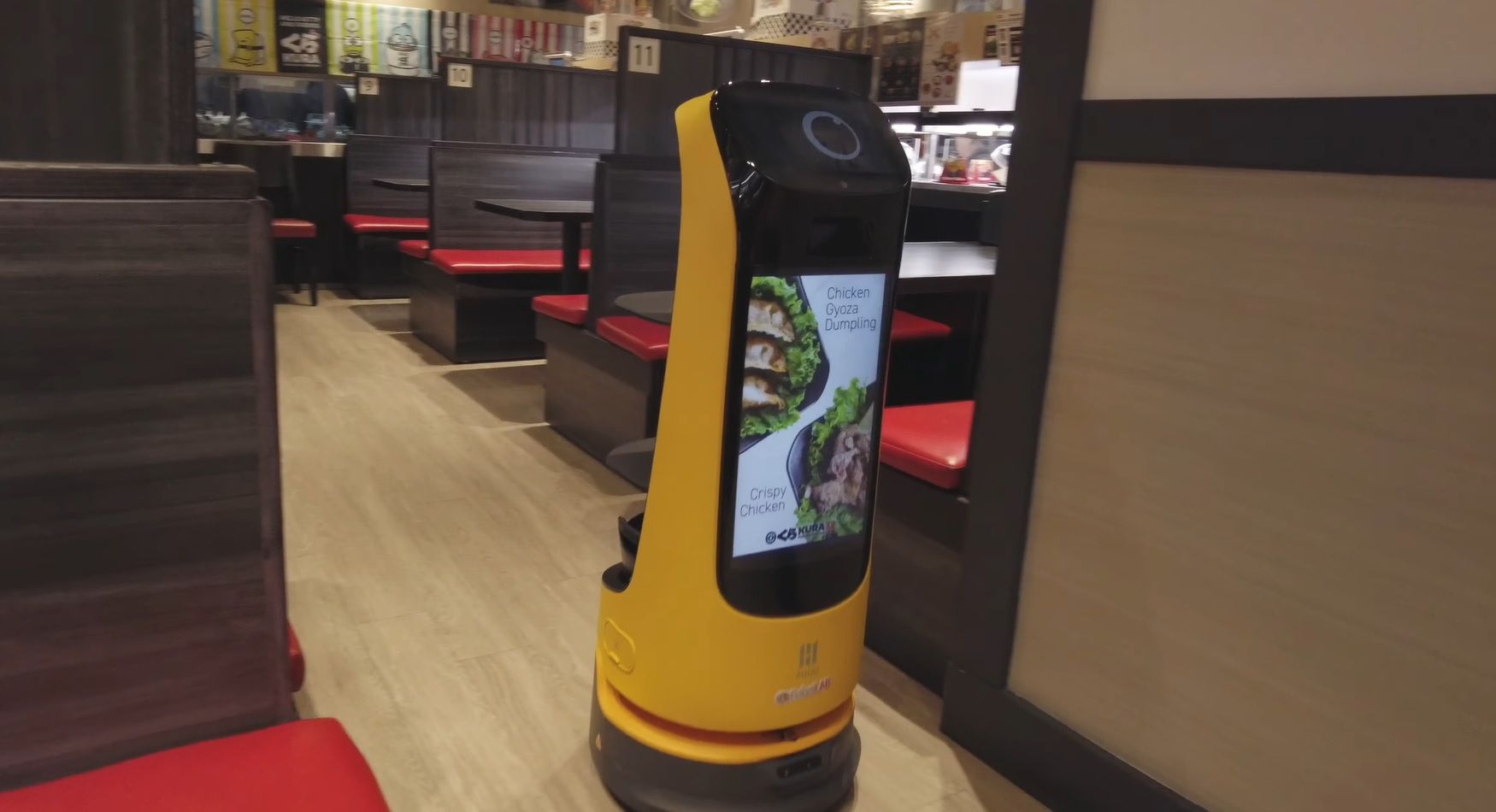
Walk into a Kura Sushi location and you immediately notice the difference. Plates glide by on conveyor belts, orders arrive with precision, and drinks are delivered by a KettyBot that moves seamlessly through the dining area.
This is not a concept store or a pilot program. It is a proven model across Kura Sushi locations, growing at 20% year over year. Since 2020, the national restaurant chain has integrated automation in the kitchen to ensure consistency. But the real shift came when they brought robotics into the front of house.
Fleet Snapshot (Q1 2026 Averages)
- 116 active KettyBots across 60+ locations nationwide
- 4,000+ combined robot work-hours per month across the fleet
- 21,000+ tasks completed per month fleet-wide
- 2,400+ miles traveled per month by the fleet
- $590,000 in estimated annual labor value reallocated across all locations
The Early Misstep
"We had actually looked into robots prior to the pandemic, as part of our automation," said Hideto Sugimoto, Senior VP of Supply Chain & Menu Development at Kura Sushi USA, Inc. "We originally purchased directly from the manufacturer. We got a little too excited, ahead of ourselves, and we directly purchased them. They arrived, and we didn't know what to do."
The path was not perfect. Early attempts to buy robots directly from overseas failed because they did not fit the restaurant layout or workflow. Without on-site training, integration support, or mapping expertise, the hardware sat unused. It was a costly lesson: the technology is only as good as the deployment behind it.
Why KettyBot Won
The breakthrough came when Kura Sushi partnered with RobotLAB to deploy a solution designed for tight spaces and real operations.
"We were looking into something that could navigate through a narrow amount of space because, as you know, our restaurants have very narrow hallways and aisles," Sugimoto said. "We couldn't really fit the larger [robots] in there and the KettyBots were the winners."
With RobotLAB's on-site training, custom floor mapping, and local support, the rollout was tailored to work across both existing locations and new openings. Each deployment was mapped to each location's floor plan, ensuring KettyBot could navigate the hard tile flooring and tight service paths that define Kura Sushi's dining rooms.
Freeing Staff to Focus on What Matters
The impact of KettyBot is straightforward but powerful. Instead of spending time walking drinks and plates back and forth, servers can focus on what actually drives the guest experience:
-
-
Engaging with guests
-
Answering questions
-
Turning tables more efficiently
-
Creating a more personal, attentive environment
-
In other words, automation is allowing staff to operate at a higher level. For a brand like Kura Sushi, where experience and speed both matter, this shift is critical.
Fleet-Wide Results (Q1 2026)
Across the full quarter, the fleet logged over 12,600 combined robot work-hours, completed more than 63,000 tasks, and traveled over 7,200 miles.
On a per-location basis, that translates to roughly 354 robot work-hours per month, covering drink deliveries, food runs, and bussing support. Using industry benchmarks for the staff time each task replaces, the fleet reallocated an estimated $590,000 in annual labor value, freeing restaurant teams to focus on higher-value guest interaction.
The fleet also grew steadily through the quarter, expanding from 110 active robots in January to 126 by March, with utilization increasing 77% over the same period as locations matured their workflows.
What Other Operators Can Learn
Kura Sushi's journey offers a clear takeaway for restaurant operators exploring automation: technology alone is not enough. Success comes from aligning the right robotics solution with the right environment and executing the rollout thoughtfully.
The difference between Kura Sushi's first attempt (buying directly from a manufacturer with no support) and their current success (partnering with RobotLAB for end-to-end deployment) is the difference between hardware sitting in a closet and a scalable operational advantage.
When done right, the results are immediate: reduced workload on staff, improved service quality, greater operational consistency, and a scalable model for business growth.
Ready to see how service robots can work in your restaurant? Explore RobotLAB's restaurant solutions or schedule a consultation to get an ROI estimate tailored to your operation.






 Too much to read? Don't have time?

.webp?width=124&height=124&name=image%20(1).webp)
.webp?width=169&height=87&name=image%20(2).webp)