
Why selective robotics is becoming a CEO-level response to labor instability in Miami, FL
In Miami, FL, many warehouse CEOs are still treating labor volatility like a recruiting problem. It is not. It is an operating model problem. When demand rises, overtime rises. When absenteeism rises, service risk rises. And when your facility depends on finding more people every time volume changes, margin predictability disappears.
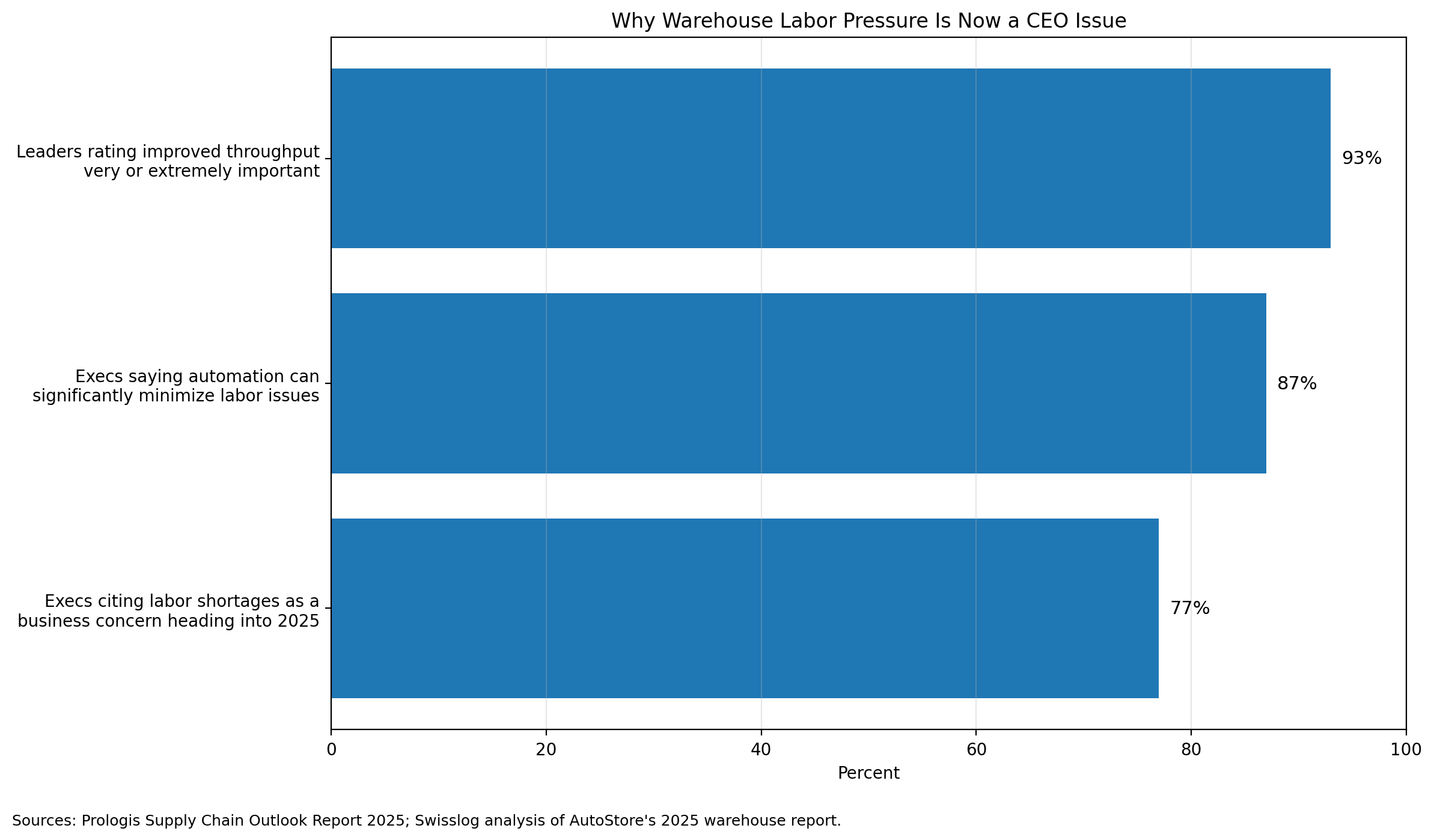
That is why more warehouse leaders are shifting the conversation away from headcount alone and toward selective automation. The goal is not to replace good people. The goal is to build an operation that can perform consistently, even when hiring conditions are tight. Prologis reported that 77% of executives saw labor shortages or labor issues as a business concern heading into 2025, and 87% said investing in automation solutions can significantly minimize labor-related issues.
Why This Is a CEO Issue in Miami, FL
Miami is not an easy market for operational waste. Industrial space is valuable, service expectations are rising, and labor costs are real. The latest metro wage estimates available from the U.S. Bureau of Labor Statistics for Miami-Fort Lauderdale-West Palm Beach show industrial truck and tractor operators averaging $21.71 per hour, laborers and freight, stock, and material movers averaging $17.94 per hour, and stockers and order fillers averaging $17.18 per hour.
At the facility level, those numbers compound quickly when overtime, turnover, retraining, and temporary labor enter the picture. At the same time, Colliers reported Miami-Dade warehouse and distribution rents averaging $16.74 per square foot NNN in 4Q25, with overall industrial vacancy at 6.8%. In plain business terms, CEOs in Miami, FL cannot afford low-productivity square footage or low-productivity labor hours.
The Hidden Cost of Labor Instability
The true cost of labor instability is rarely visible on a single payroll line.
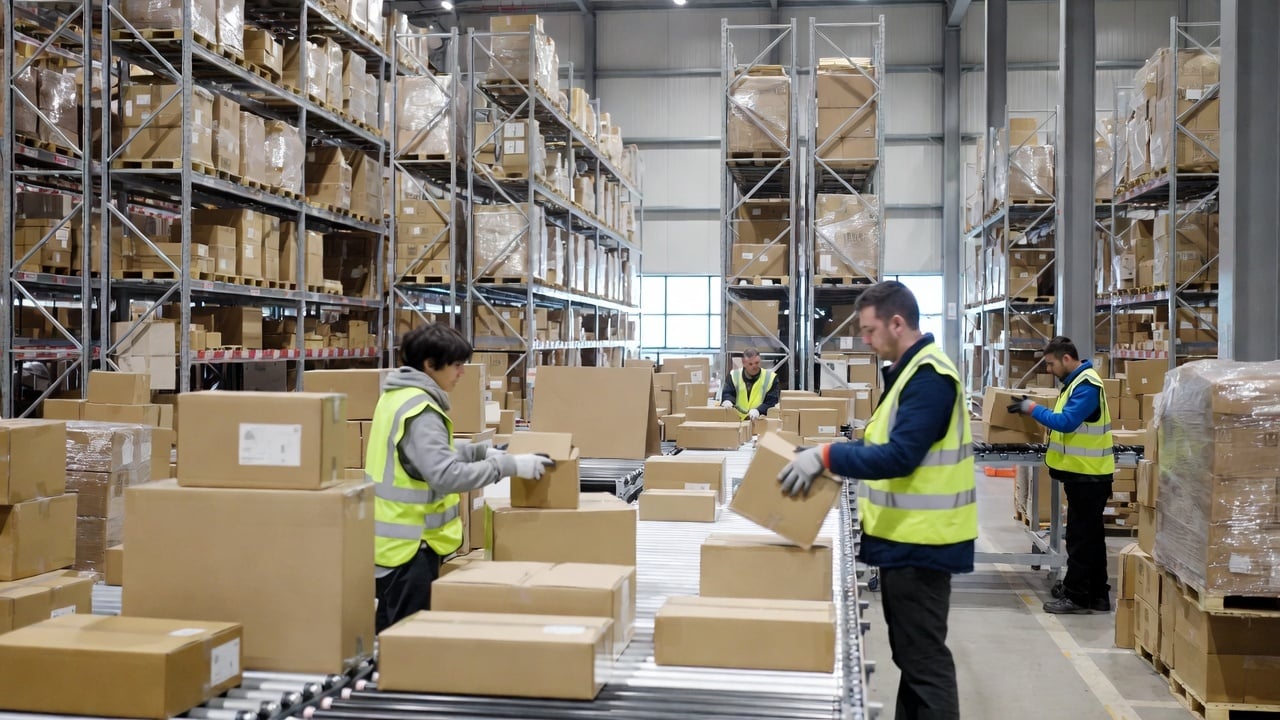
It shows up in slower receiving. It shows up in delayed replenishment. It shows up in supervisors spending their day covering gaps instead of improving performance. It shows up in missed cut-off times, inconsistent order quality, and teams that are always reacting instead of managing.
There is also a human cost. U.S. Bureau of Labor Statistics data shows warehousing and storage recorded a 4.8 total recordable case rate per 100 workers in 2024, compared with 2.3 for private industry overall. That matters because physically repetitive work, long travel paths, and rushed workflows do not just strain people. They create operational fragility.
As Alberto Marcano, Branch President of RobotLAB Miami, puts it: “The most expensive labor problem in a warehouse is not the wage. It is the unpredictability.”
What Smart Warehouse Automation Actually Fixes
This is where many leaders get the conversation wrong. Automation is not about turning a warehouse into a science project. It is about removing the most repetitive, least strategic, and most physically draining work from the daily operation.
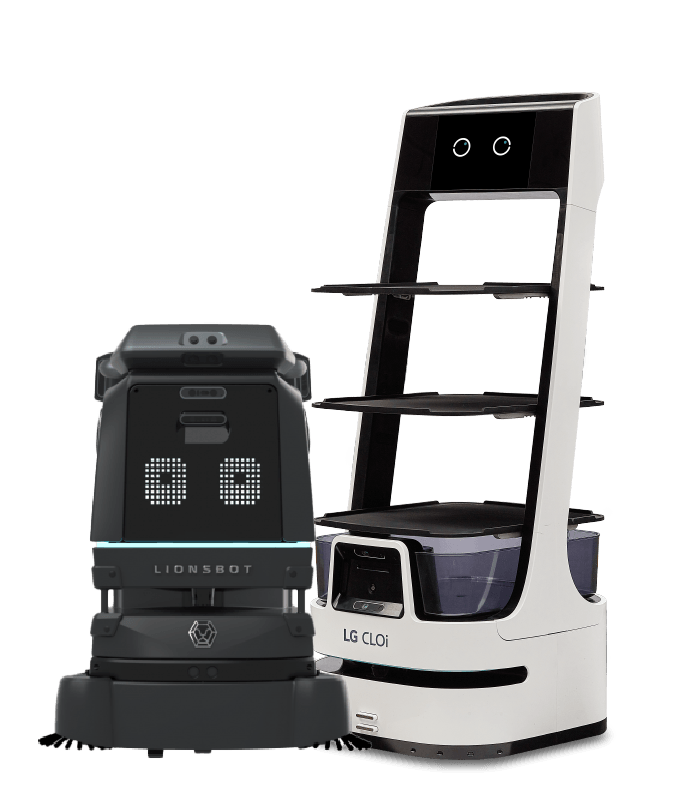
In practical terms, robots can help move materials, support internal transport, handle repetitive travel between zones, maintain process consistency, and reduce dependency on overtime-heavy workflows. Your people remain essential. They simply spend more time on exception handling, quality control, inventory decisions, and customer-impacting work.
That is a better operating model for a Miami warehouse, especially when service reliability matters as much as labor availability.
Where CEOs Should Start First
The best first automation project is usually not the biggest one. It is the one that solves a daily bottleneck you already pay for.
Start with these four questions:
-
Which tasks require the most repetitive walking or driving every day?
-
Which workflows depend too heavily on overtime or temporary labor?
-
Where do staffing gaps immediately affect throughput or customer commitments?
-
Which tasks add the least strategic value but consume the most labor hours?
If a process is repetitive, predictable, and difficult to staff consistently, it is usually a strong candidate for automation.
Why the Urgency Is Rising in Miami, FL
The pressure is not going away. Swisslog, analyzing AutoStore’s 2025 warehouse report based on more than 300 global executives with supply chain responsibility, found that improving throughput rose from the eighth-highest priority in 2024 to the fourth-highest in 2025. It also found that 93% of participants considered improving throughput very important or extremely important.
That trend fits Miami’s logistics reality. Miami International Airport reported cargo shipments increased 13.6% to nearly 3.5 million tons in 2025, its sixth straight record year of cargo growth. In a market moving that fast, CEOs need warehouses that can absorb volume without depending on labor heroics.
The Executive Decision Ahead
The question for warehouse leaders in Miami, FL is no longer whether automation belongs in the operation. The question is where it creates the fastest and clearest business value.
The strongest automation strategies do four things well:
- protect service consistency
- reduce labor dependency in repetitive workflows
- improve safety and process discipline
- help existing teams perform at a higher level
That is why the best robotics conversations are not about machines first. They are about continuity, predictability, and control.
Conclusion
A warehouse does not become more competitive because it hires faster. It becomes more competitive because it operates more predictably.
For CEOs in Miami, FL, that shift matters now. Labor will remain important, but a labor-only operating model is becoming harder to defend. The companies that move first will not just lower pressure on their teams. They will create more resilient operations, better service reliability, and stronger margin control.
Book a 7-Minute Discovery Call with RobotLAB Miami to identify the first workflow where robotics can reduce labor volatility and improve operational consistency.
Source note for publication: U.S. Bureau of Labor Statistics, Colliers 4Q25 Miami-Dade Industrial Market Report, Prologis Supply Chain Outlook Report 2025, Swisslog analysis of AutoStore’s 2025 warehouse report, Miami International Airport 2025 cargo announcement.






 Too much to read? Don't have time?

.webp?width=124&height=124&name=image%20(1).webp)
.webp?width=169&height=87&name=image%20(2).webp)