
Your Warehouse Isn’t Slow, Your Internal Transport Is: The Hidden Bottleneck in Miami Operations
May 19, 2026
The problem isn’t processing. It’s movement.
In warehouses across Miami, FL, leaders are under constant pressure to increase throughput without significantly increasing labor costs.
Most focus on optimizing picking, packing, or inventory systems. But one critical inefficiency continues to go unnoticed:
too much time is spent moving materials instead of processing them.
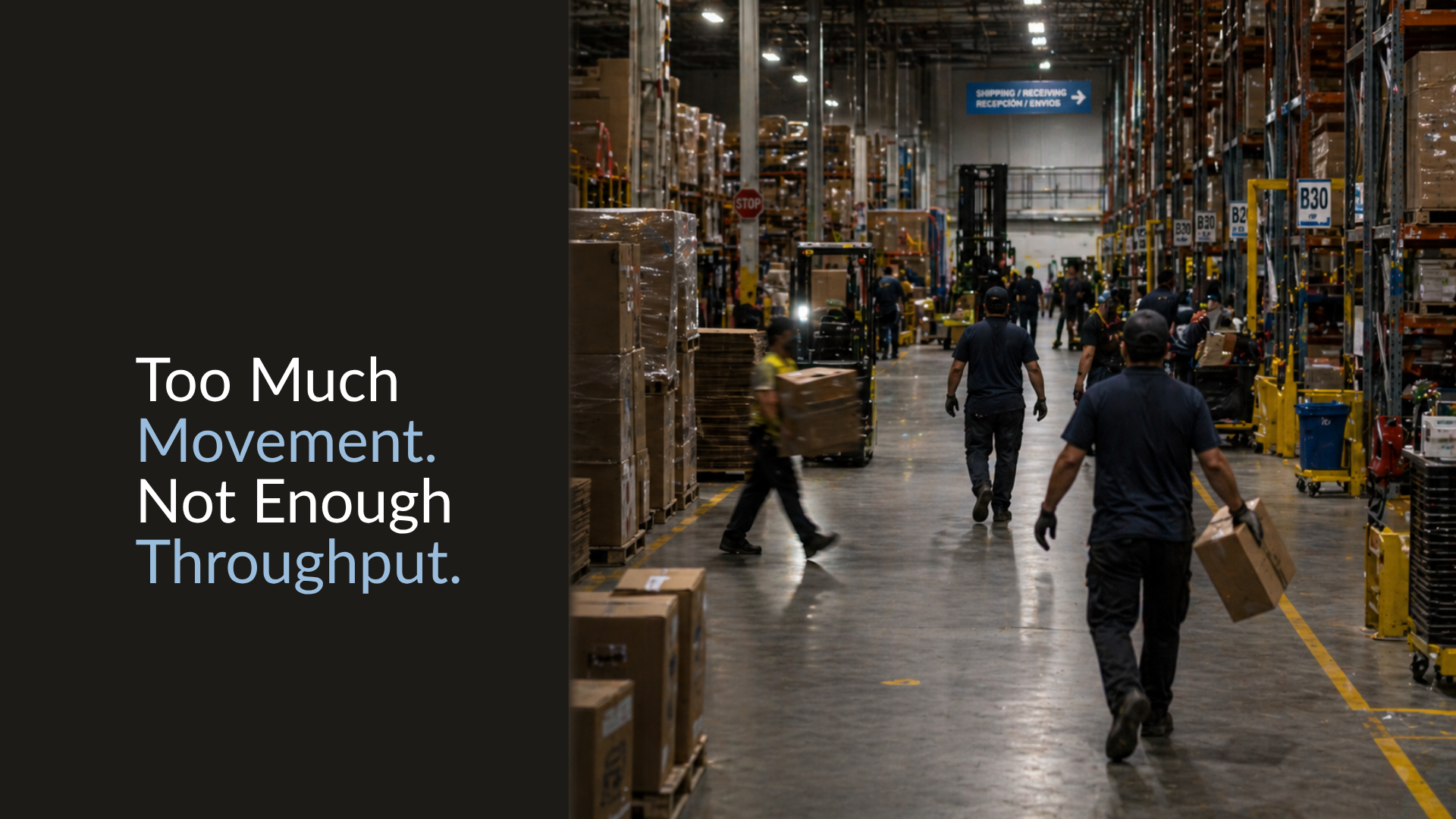
Operators walk miles per shift. Carts sit idle waiting for transport. Workflows pause between zones.
The operation doesn’t slow down because of complexity. It slows down because of movement.
Manual transport is the silent productivity killer
Internal transport tasks are often seen as necessary, but not strategic.
That assumption is costing you output.
Every time a worker:
- Walks inventory from point A to point B
- Waits for materials to arrive
- Pushes carts between zones
They are not adding value. They are supporting the process, but not advancing it.
Now multiply that across shifts, teams, and days.
The result is a significant portion of your labor capacity being consumed by non-productive movement.
Where your time actually goes
Most warehouse leaders underestimate how much time is lost in internal logistics.
The insight is clear: nearly half of operational time can be tied to movement, not execution.
That is where throughput is being lost.
Bottlenecks don’t start where you think
When delays happen, most teams look at picking speed or staffing levels.
But the real issue is often upstream or downstream:
- Materials not arriving on time
- Congestion between zones
- Delays in handoffs between teams
These are not isolated inefficiencies. They are systemic.
And they create a ripple effect across the entire operation.
More people won’t fix a movement problem
The default solution to slow throughput is hiring more staff.
But more people moving inefficiently does not solve the problem. It amplifies it.
- More congestion
- More coordination complexity
- More variability across shifts
“If scaling requires more people every time, you don’t have a scalable operation, you have a growing problem,” as Alberto Marcano defines it.
Flow is the new productivity model
High-performing warehouses are shifting their focus.
Not just on speed, but on flow.
When internal transport is optimized:
- Materials arrive exactly when needed
- Workstations remain continuously active
- Teams stay focused on value-generating tasks
This is how throughput increases without increasing headcount.
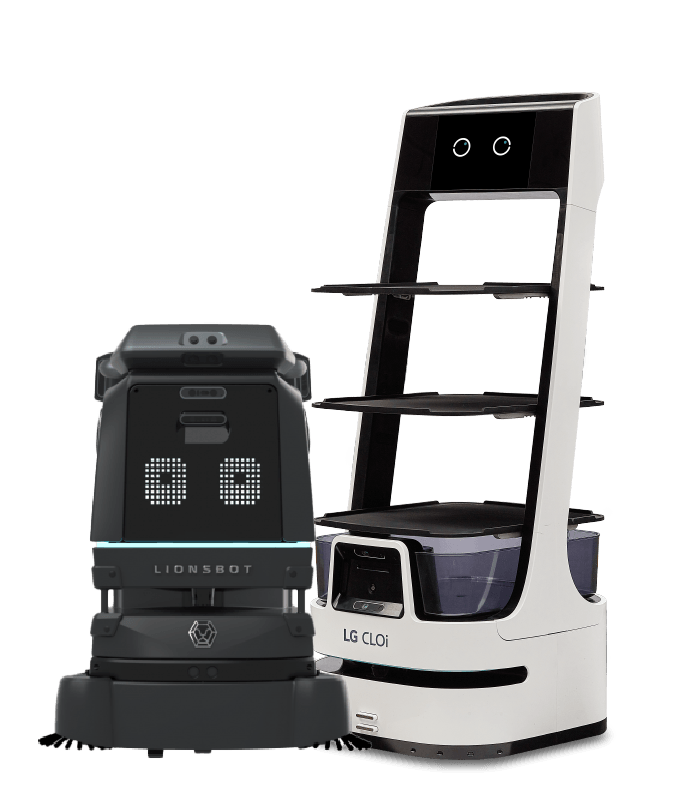
Industrial delivery robots removes friction from movement
The most forward-thinking operations in Miami are no longer relying entirely on manual transport.
They are introducing industrial delivery robots into internal logistics, specifically in repetitive, predictable movement tasks.
The impact is immediate:
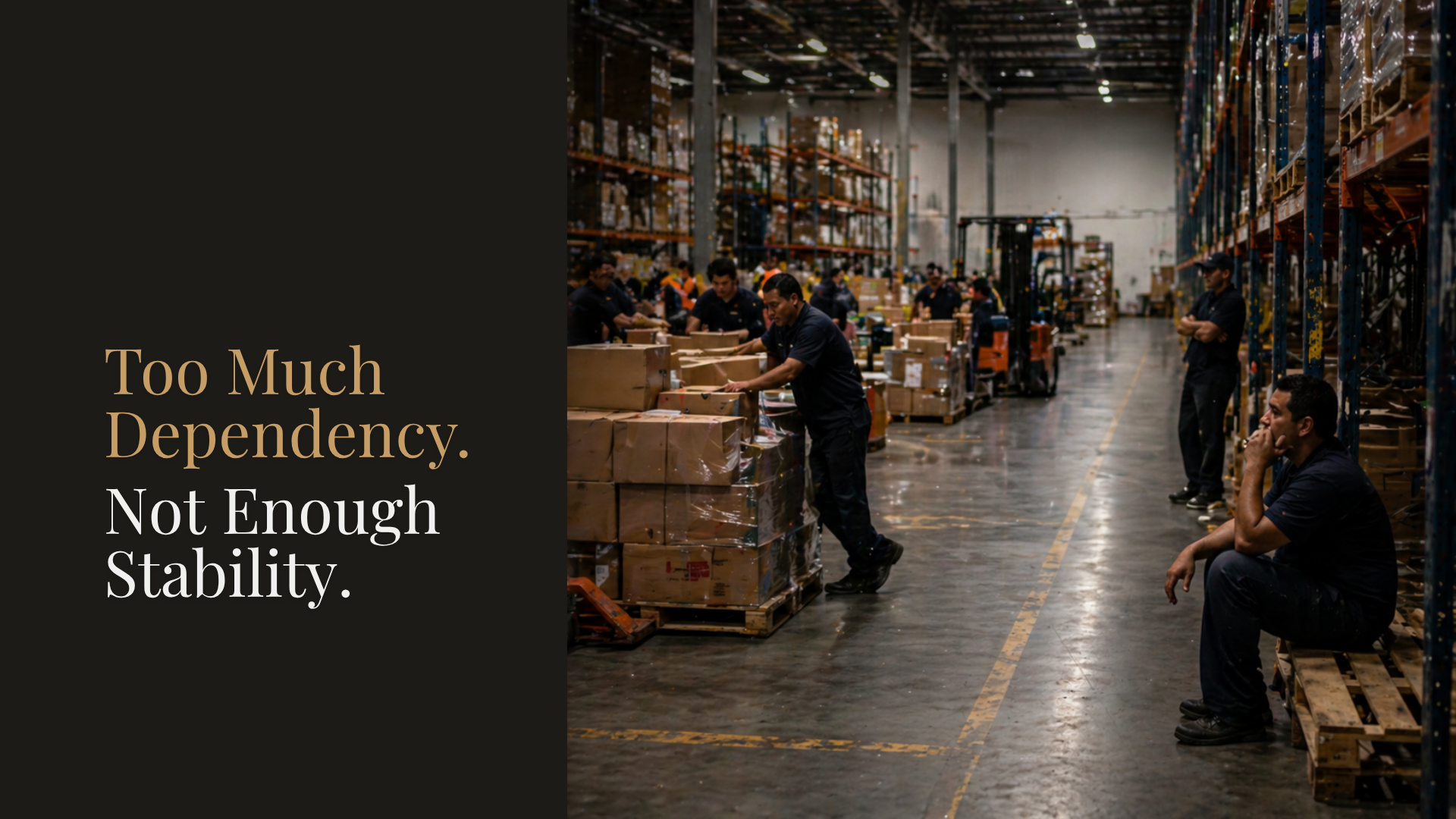
- Reduced dependency on manual transport
- Elimination of unnecessary walking time
- More consistent material flow between zones
Automation does not replace your workforce. It removes the friction that slows it down.
Throughput is a function of movement efficiency
At its core, warehouse performance is not just about how fast you process.
It is about how efficiently work moves.
When internal transport becomes predictable and continuous:
- Output increases
- Delays decrease
- Operations become scalable
That is when a warehouse shifts from reactive to optimized.
The competitive advantage is operational flow
Warehouses that win in Miami, FL are not the ones working harder.
They are the ones moving smarter.
When you eliminate inefficiencies in internal transport, you unlock capacity that already exists within your operation.
And that is where real performance gains happen.
If you are evaluating how to increase throughput without increasing labor complexity, this is the moment to rethink how movement happens inside your facility.
Schedule a 15-minute strategic conversation, to see how Industrial Delivery Robots can help in your operation:
Schedule a 15-minute strategic conversation
Discover how warehouse operations in South Florida can transform internal transport into a predictable, high-efficiency system.






 Too much to read? Don't have time?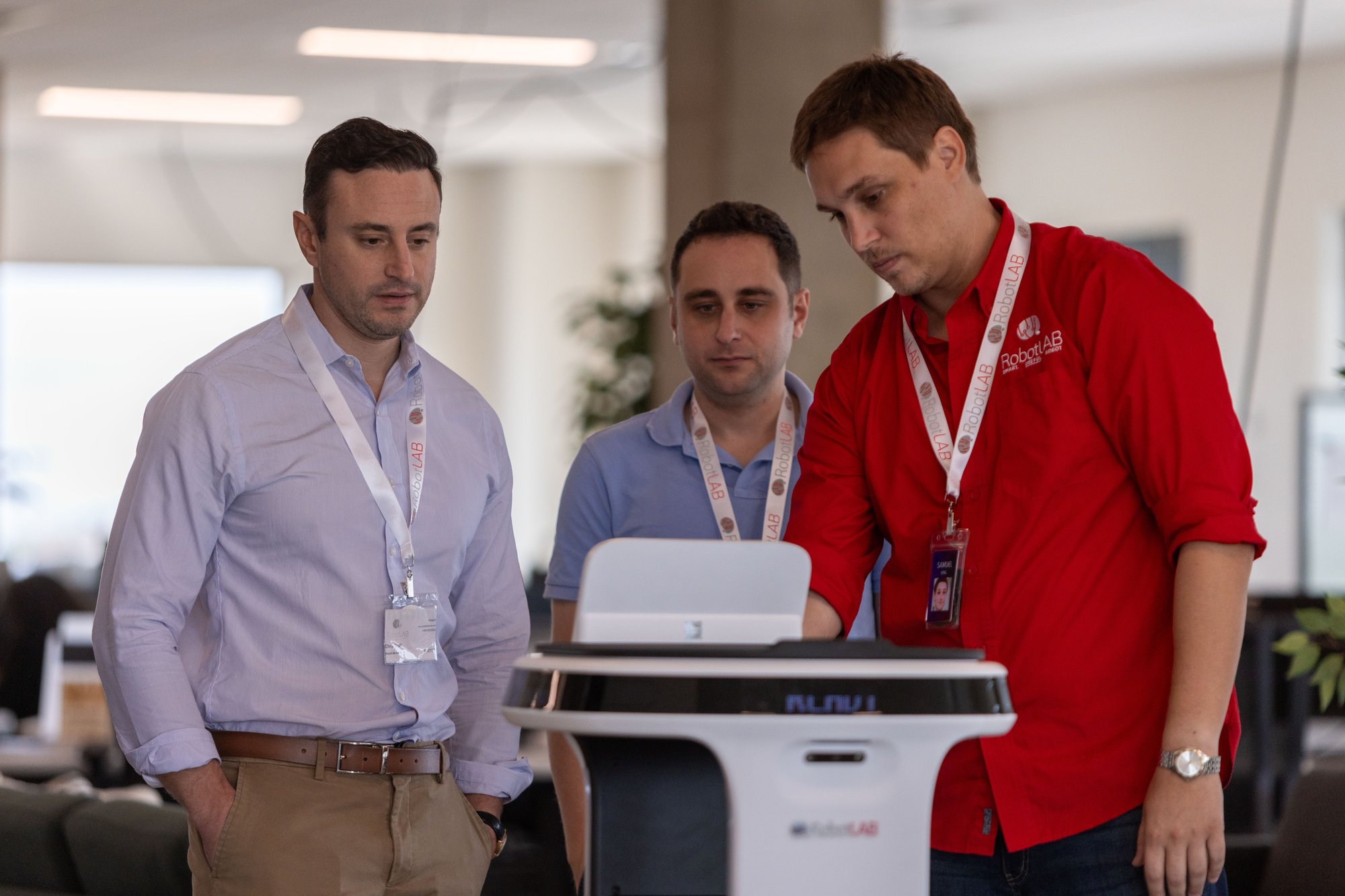

.webp?width=124&height=124&name=image%20(1).webp)
.webp?width=169&height=87&name=image%20(2).webp)