
Unitree Robot
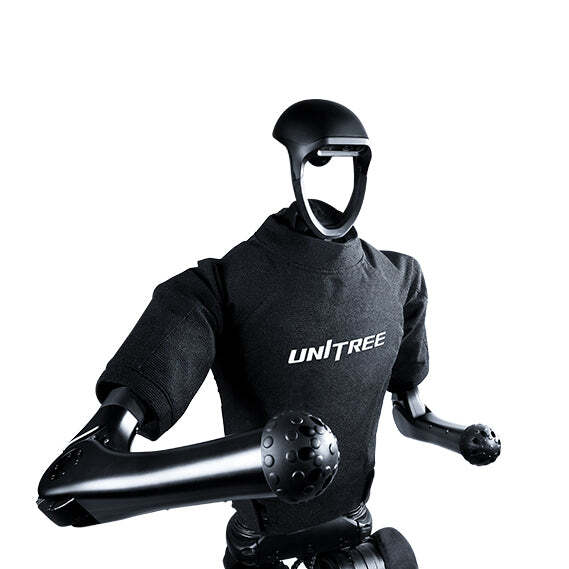
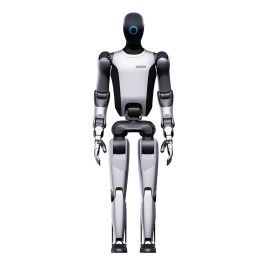
Unitree H2 EDU
A full-size, 31-DOF bipedal humanoid built for research, development, and advanced robotics education — deployed and supported nationwide by RobotLAB.
RaaS $2,299/mo(36mo)
From $68,900 purchase
How hospitality operators evaluate, deploy, and scale commercial robots.
Tell us your industry and we'll recommend 3-4 robots to shortlist.
We evaluate, certify, and service every robot we sell.
From marketing, sales, demonstrations, and proof-of-concepts through deployment, training, support — and even repair. Local teams, local inventory, same-day service.
The first and only commercial robotics & AI franchise in America.
Sent by email within hours. 14-day review period. No obligation.
By Elad Inbar, RobotLAB founder & CEO — a practical guide to adopting robotics that actually delivers ROI.
About the book →17 humanoid robots. 14 evaluation criteria. Zero hype. A comprehensive, evidence-based assessment of where the industry stands and what it means for your organization.
Amazon, BMW, Hyundai, and Mercedes-Benz are running active humanoid pilots in production environments. This is operational testing, not showroom theater.
Five manufacturers now target the $20K-$30K range. Two years ago, $250K was the floor. Unit economics are shifting from "research budget" to "capital expense."
Foundation models, VLA architectures, and imitation learning mean robots can learn new tasks in hours, not months. The software is catching up to the hardware.
China shipped over 6,000 humanoid units in 2025 across multiple manufacturers. The US, Europe, and Asia are all accelerating. This is now a global infrastructure race.
Organizations that start evaluating now will have 12-18 months of institutional knowledge when commercial-grade units arrive at scale. Late entrants will not.
Identify specific operational challenges before evaluating platforms. A humanoid robot is a solution to particular problems, not a general upgrade. Map your pain points first.
Factor in integration, training, maintenance, downtime, and infrastructure modifications. A $30K robot with $100K in integration costs is a $130K investment.
Pilot programs with clear success metrics beat large-scale deployments. Define what "working" looks like before you start. Measure rigorously. Scale what works.
Available now in the store, with deployment, training, and service included.
A full-size, 31-DOF bipedal humanoid built for research, development, and advanced robotics education — deployed and supported nationwide by RobotLAB.
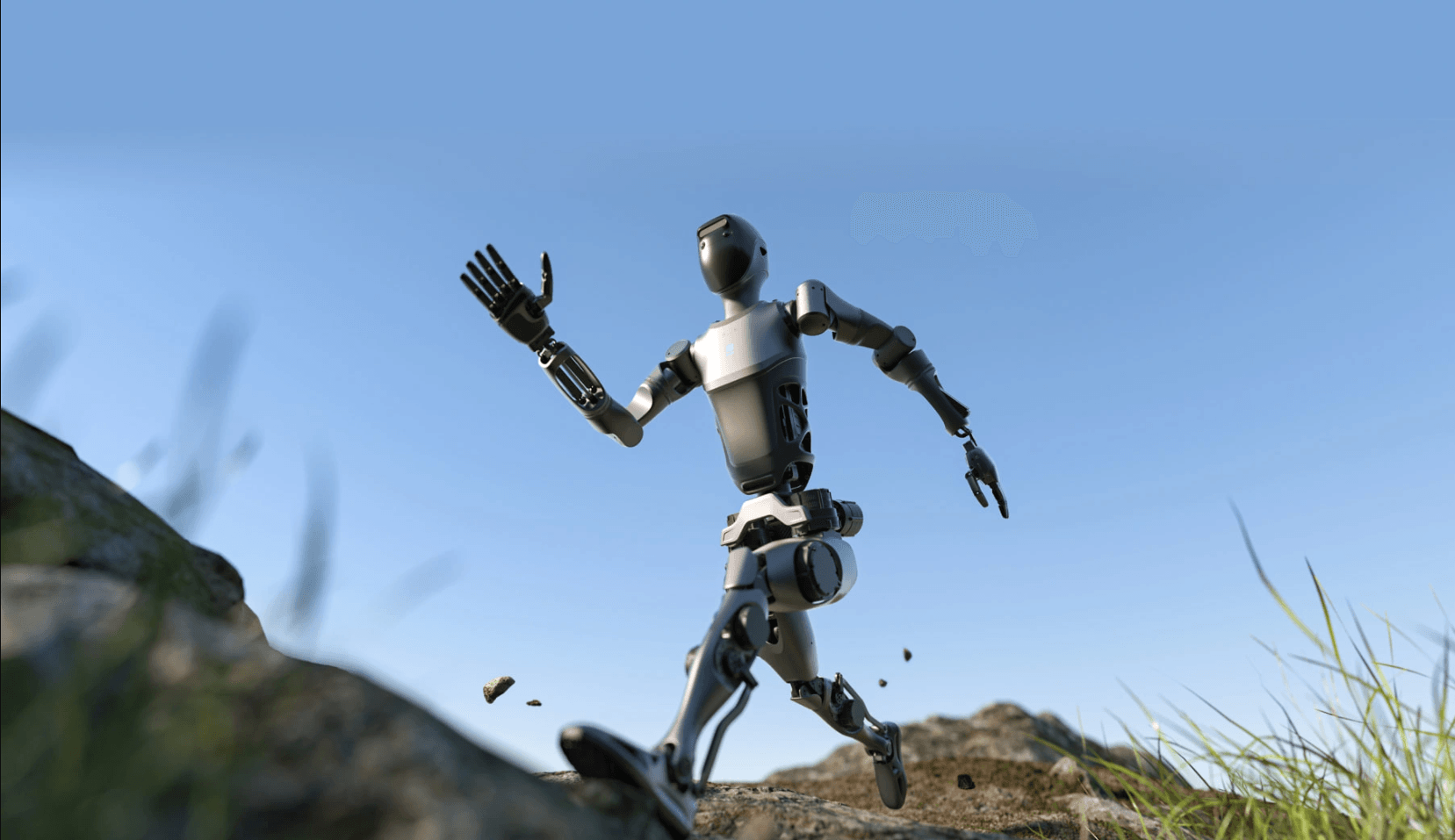
A full-sized bipedal humanoid for service, manipulation, and research — sold, leased, RaaS-subscribed, deployed, and serviced nationwide by RobotLAB.
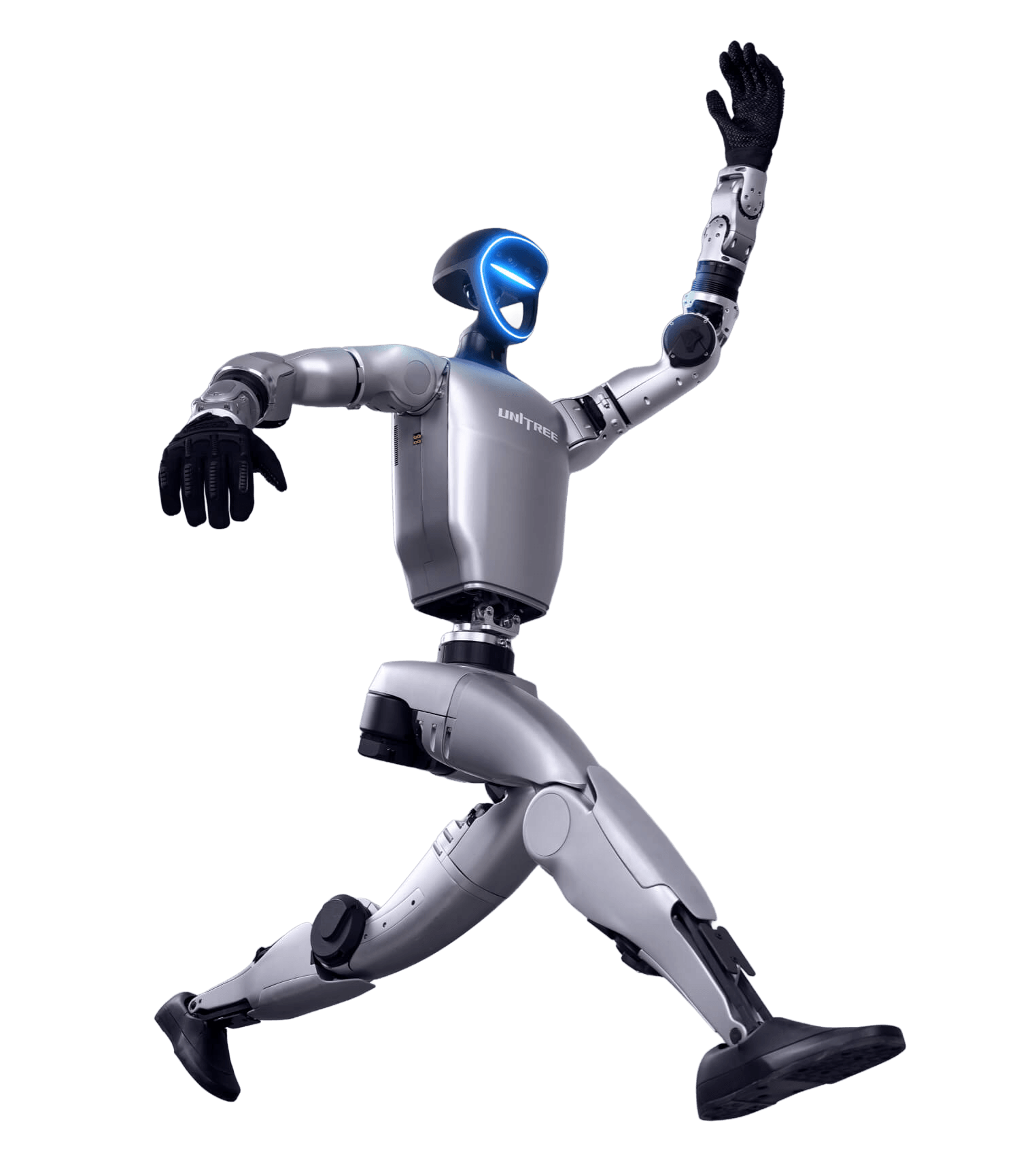
A compact, full-featured humanoid research platform with 23+ degrees of freedom, 3D LiDAR, and force-controlled dexterous hands — one of the most accessible bipedal robots for R&D labs. Sold, deployed, and serviced nationwide by RobotLAB.
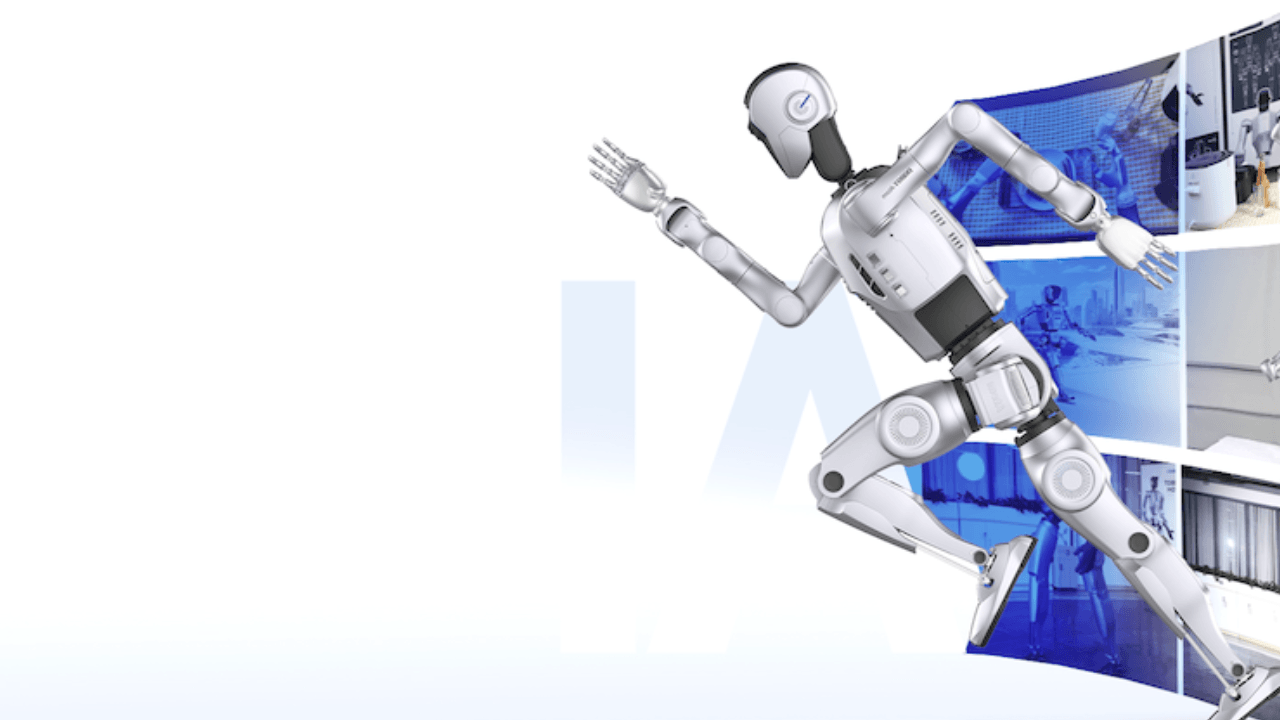
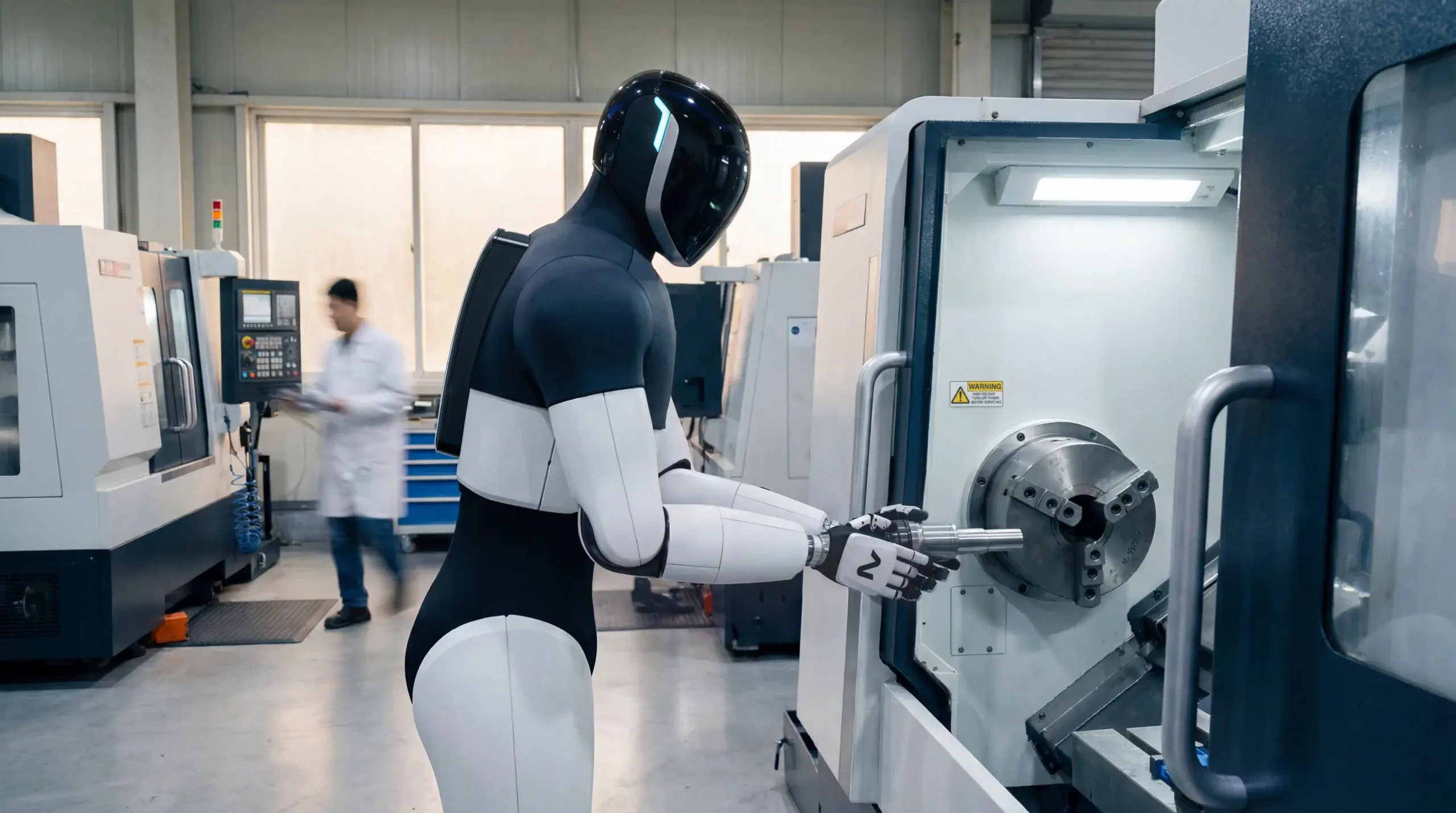
A full-size, $27,530 walking humanoid that brings industrial-grade precision to assembly lines, labs, and service floors — sold, deployed, and supported nationwide by RobotLAB.
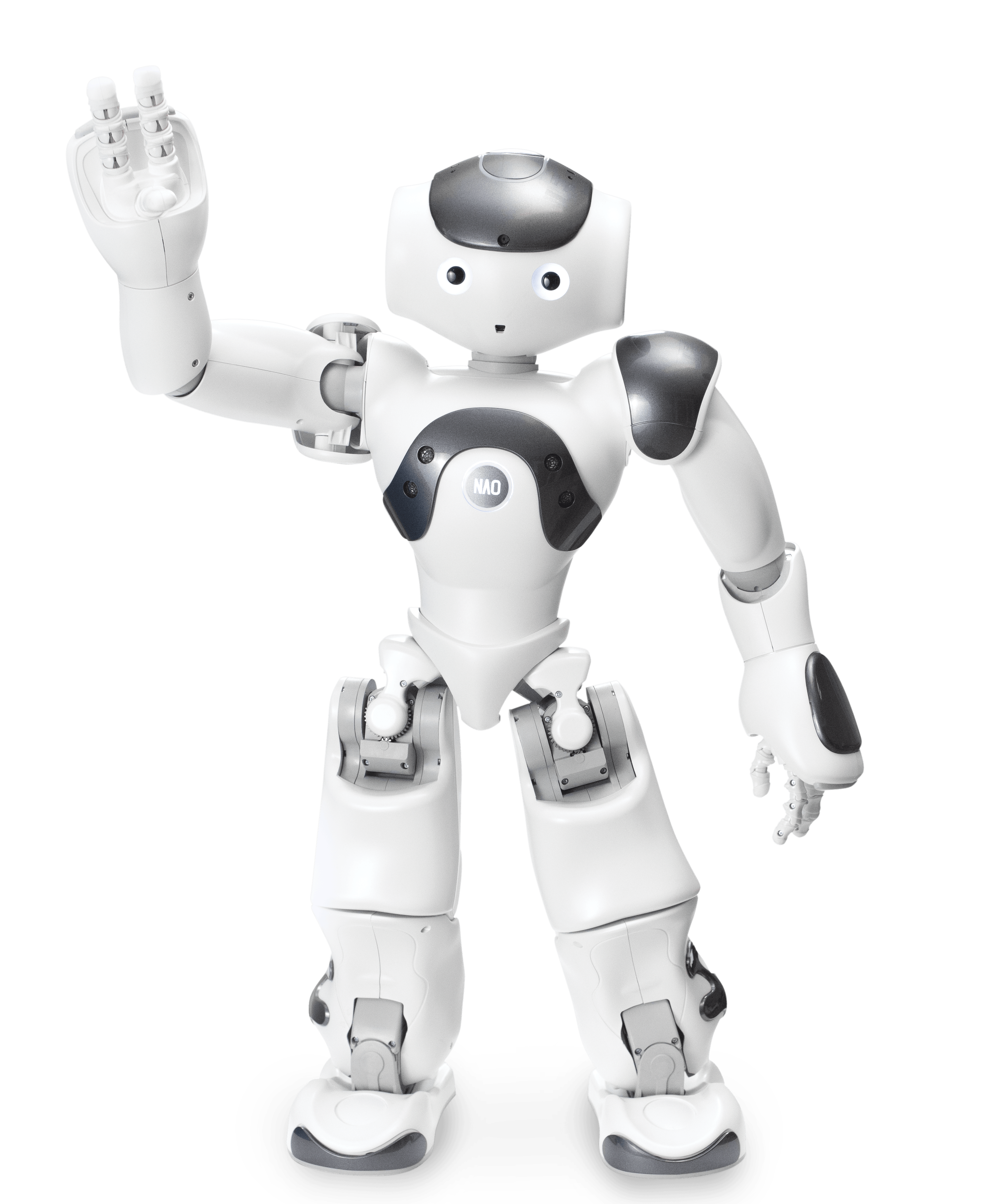
The NAO V6 is the world's most widely deployed teaching humanoid — a 25-joint, fully programmable robot for K-12, special education, higher-ed, and research labs. Sold, deployed, and serviced nationwide by RobotLAB.
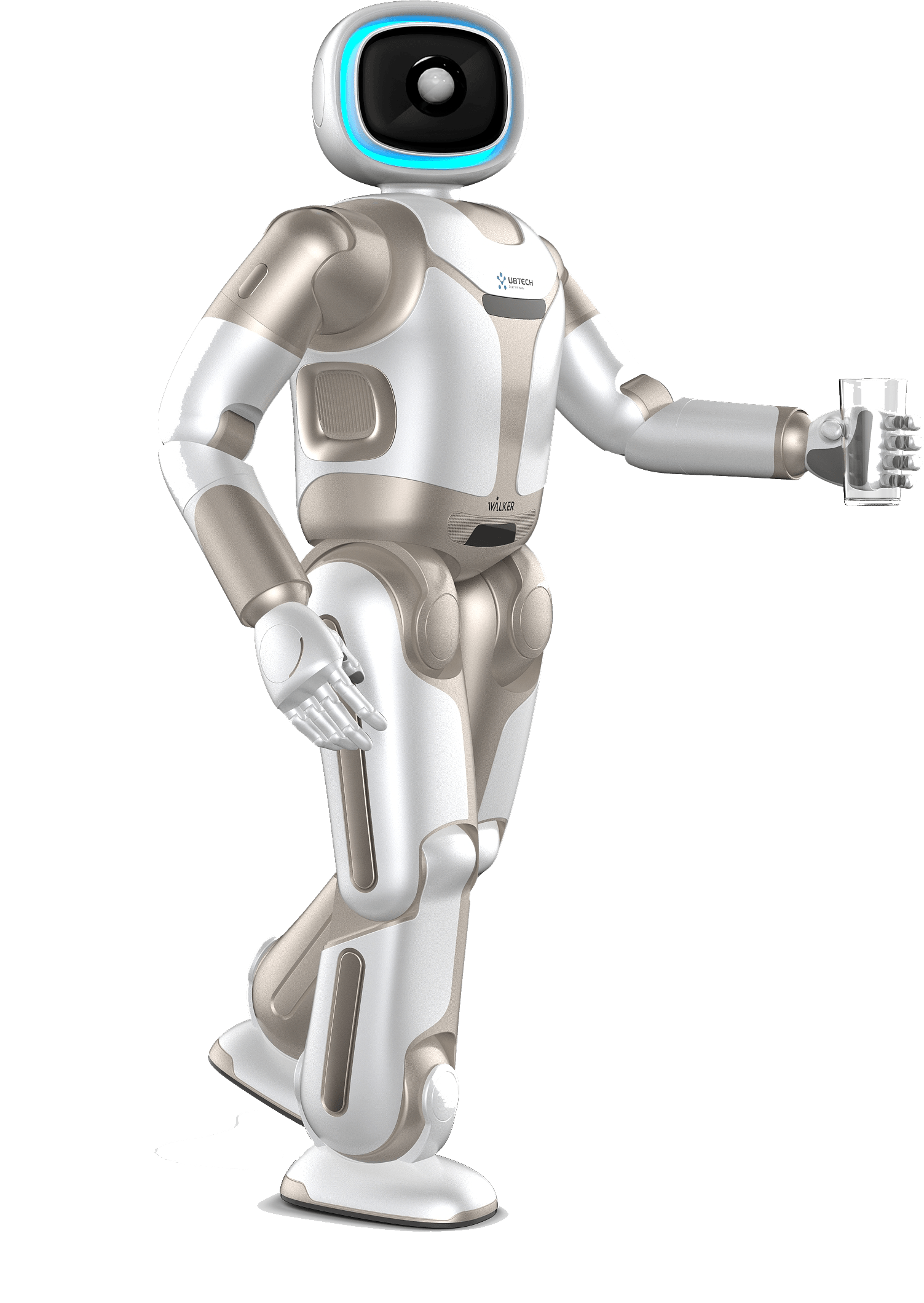
UBTech's flagship full-size bipedal humanoid, purpose-configured for university and research-lab work in locomotion, manipulation, and embodied AI.
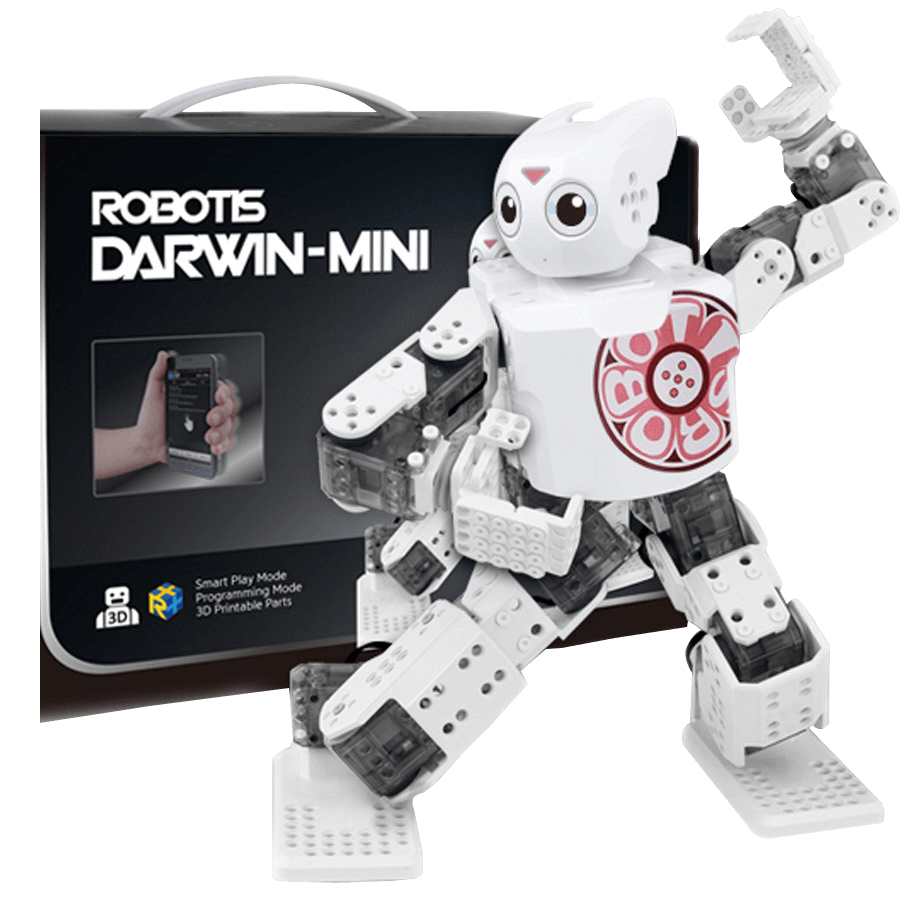
A $499 16-DOF programmable humanoid kit that puts walking-robot robotics, coding, and 3D-printed design into students' hands.
No robots match these filters.
I have been in the robotics industry since 2007. I have seen every hype cycle, every "this changes everything" announcement, and every quiet retreat when reality did not match the press release. So when I tell you that the humanoid robot category is different this time, I want you to understand the weight of that statement.
The progress is real, and the direction is clear. In 2025, we crossed from "impressive demos" to "units in warehouses." Agibot shipped over 5,000 units. UBTECH delivered roughly 1,000 Walker S2 robots. Agility Robotics opened a dedicated manufacturing facility. Boston Dynamics started deploying electric Atlas units to Hyundai plants. These are not concept videos. These are purchase orders, delivery schedules, and maintenance contracts. The milestones of 2025 made that undeniable.
That said, let me be equally direct about the limitations. Most humanoid robots today operate in structured environments with significant human oversight. Battery life remains a constraint. Dexterous manipulation is improving but not yet reliable enough for complex assembly. And pricing, while dropping fast, still puts most units beyond the reach of small and mid-size businesses. Anyone who tells you humanoids are ready to replace your workforce tomorrow is selling you something. Anyone who tells you to ignore this category entirely is not paying attention. The trends shaping 2026 all point in one direction.
Once planning replaces speculation, the category is no longer optional. The organizations I work with, across hospitality, education, facilities management, and manufacturing, are not asking "will humanoid robots matter?" They are asking "when, and which ones?" That is the right question. This guide is built to help you answer it.
— Elad Inbar, CEO & Founder, RobotLAB
How independently can it operate? Teleoperated, semi-autonomous, or fully autonomous? This determines staffing requirements and deployment complexity.
Total degrees of freedom, hand DoF, and fine manipulation capability. More DoF does not always mean better, but it defines the range of possible tasks.
Walking speed, terrain adaptability, gait quality, and stability. Can it navigate your actual environment, not just a lab floor?
Runtime per charge and hot-swap capability. This directly impacts operational uptime and total cost of ownership.
Maximum carry and lift weight. Critical for logistics, manufacturing, and any task involving physical manipulation of objects.
Pre-programmed only or adaptive and self-learning? Foundation model integration? VLA capabilities? This determines how quickly it can take on new tasks.
Height, weight, and form factor. Does it fit through your doors? Can your floors support it? Practical constraints matter.
Vision, LiDAR, tactile, depth, and audio capabilities. The quality of perception directly limits the quality of action.
What tasks and industries does it excel in? No robot does everything well. Match the platform to the problem.
Shipping now, pilot phase, prototype, or just announced? The gap between demo and delivery can be years.
Purchase price or Robot-as-a-Service cost. Total cost of ownership includes maintenance, training, integration, and downtime.
Force limiting, collision detection, emergency stops, and certifications. Non-negotiable for any deployment near people.
SDK availability, ROS support, API access, and simulation tools. A closed ecosystem limits your flexibility and long-term options.
Uptime targets, service intervals, and build quality. A robot that is down 30% of the time delivers 30% of the value.
| Robot | Company | Country | Status | Height | Weight | DoF | Battery Life | Hot-Swap | Payload | AI / Learning | Price | Best-Fit Applications | Mobility |
|---|---|---|---|---|---|---|---|---|---|---|---|---|---|
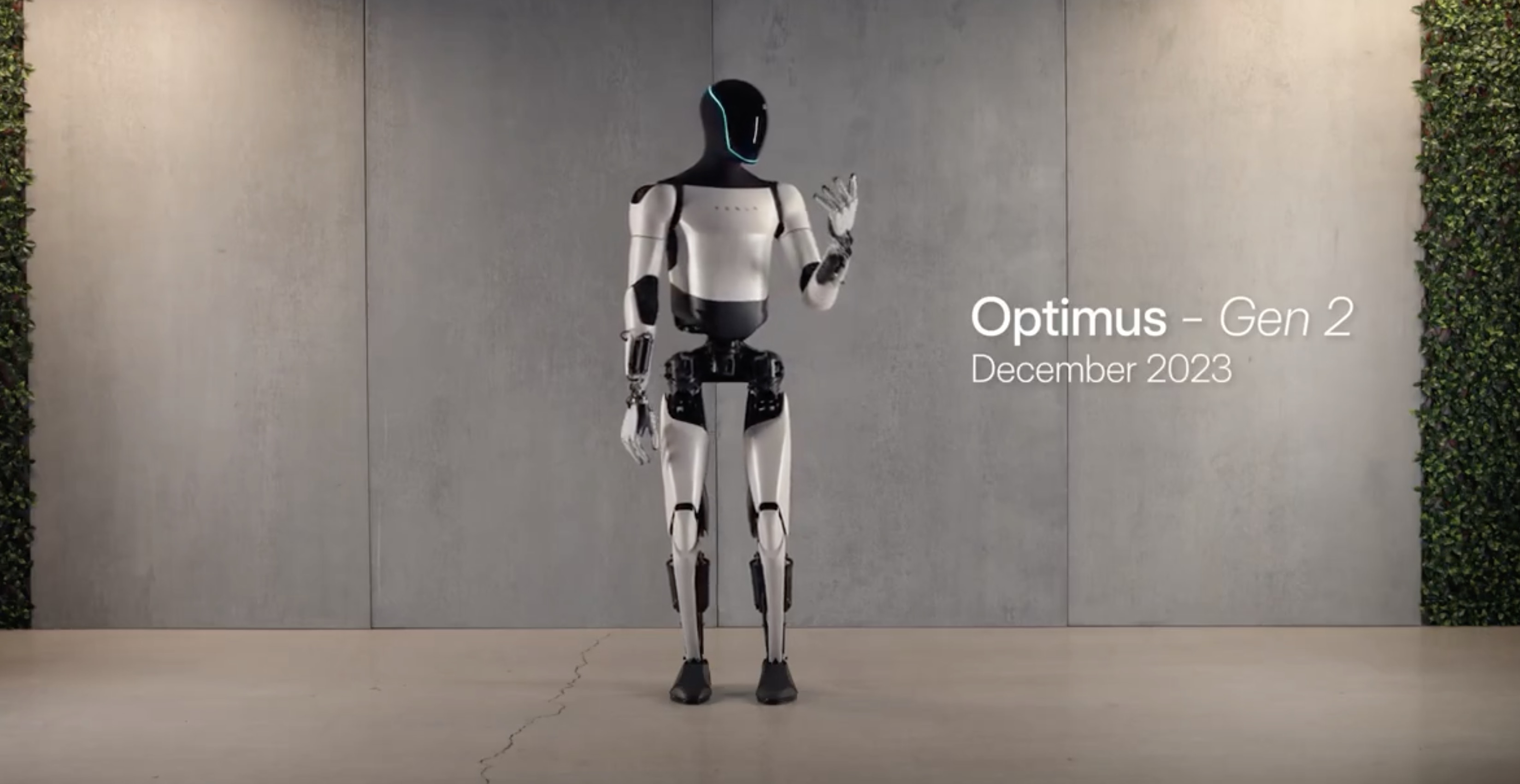
| Tesla Optimus | Tesla | USA | Pilot / Factory | 173 cm | 57 kg | 28 + 22/hand | ~8 hrs | No | 9 kg carry | FSD vision, learning from observation | $20K-$30K target | Manufacturing, logistics | Walking |
| Figure 03 | Figure AI | USA | Pre-commercial | 168 cm | 61 kg | 44 (16/hand) | ~5 hrs | Wireless (feet) | 25 kg | Helix VLA, on-device, voice | $20K-$25K target | Home, light commercial, mfg | Walking |
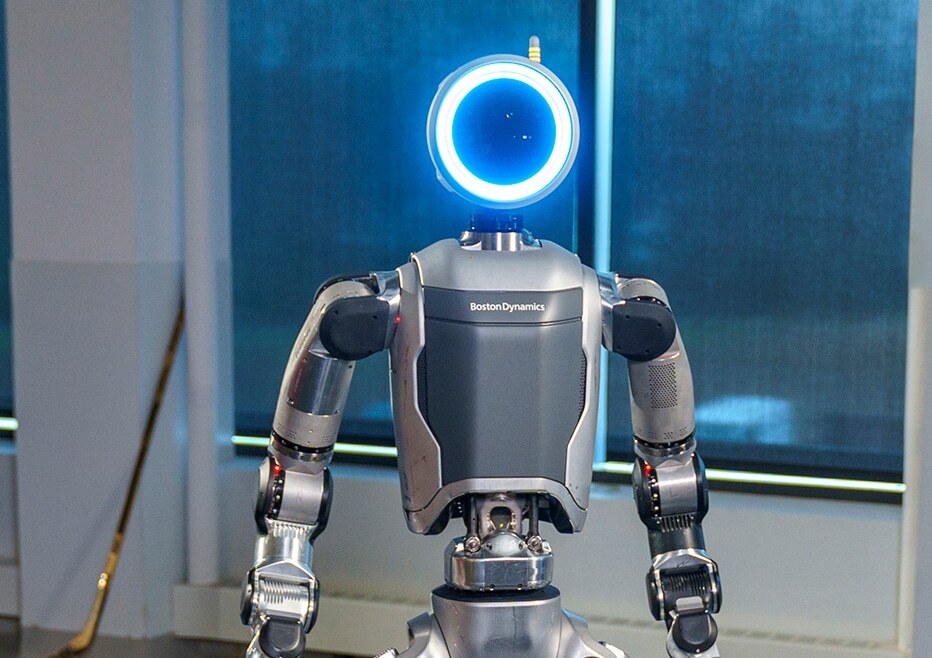
| Atlas (Electric) | Boston Dynamics | USA | Shipping fleets | 190 cm | 90 kg | 56 | ~4 hrs | Self-swap <3 min | 50 kg instant | Google DeepMind partnership | Not disclosed | Heavy industrial, automotive | Walking |
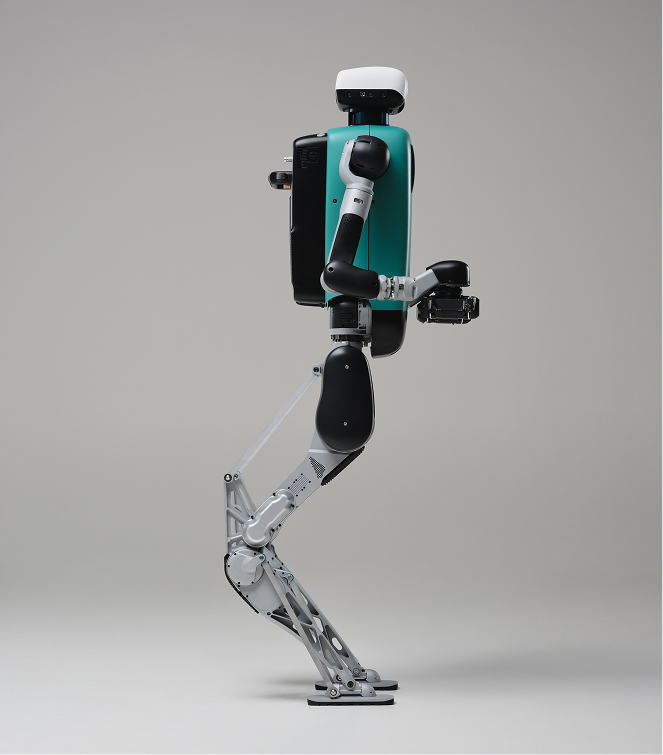
| Digit | Agility Robotics | USA | Commercial | 175 cm | 64 kg | 28 (30+ next) | Up to 8 hrs | Yes (2:1 ratio) | 16 kg | Agility Arc platform | ~$250K / $2-4K/mo | Warehouse logistics | Walking |
| NEO | 1X Technologies | Norway/USA | Pre-orders | 168 cm | 30 kg | N/D | ~4 hrs | Quick charge | N/D | Teleoperation learning | $20K / $499/mo | Home, household | Walking |
| Apollo | Apptronik | USA | Pilot | 173 cm | 73 kg | 71 | 4 hrs | Yes (22 hrs/day) | 25 kg | Multi-modal AI stack | <$50K target | Logistics, automotive mfg | Walking |
| Phoenix Gen 8 | Sanctuary AI | Canada | Enterprise pilot | 170 cm | 70 kg | 44-75 est. | ~4 hrs | Yes | N/D | Carbon AI, 88% faster training | Not disclosed | Warehouse, retail, general | Walking |
| Unitree H2 | Unitree Robotics | China | Commercial | 182 cm | 70 kg | 31 | ~3 hrs | No | N/D | Open platform | $29,900 | Research, education | Walking |
| Unitree G1 | Unitree Robotics | China | Commercial | 127-132 cm | 35 kg | 23/43 EDU | ~2 hrs | No | N/D | Open dev platform | $16K-$25K | Education, research | Walking |
| Fourier GR-2 | Fourier Intelligence | China | Shipping | 175 cm | 63 kg | 53 | ~2 hrs | Detachable | 3 kg/arm | Rehab expertise expanding | $100K-$150K | Rehabilitation, research | Walking |
| Walker S2 | UBTECH Robotics | China | Commercial | 176 cm | 70 kg | N/D | 2-4 hrs | Auto hot-swap <3 min | N/D | Industrial AI | $180K / $5K/mo | Industrial inspection, logistics | Walking |
| 4NE-1 Gen 3.5 | NEURA Robotics | Germany | Deliveries late 2026 | 180 cm | 80 kg | 55 | 24/7 (dual battery) | Yes | 100 kg | NVIDIA Isaac GR00T | €60K-€98K | Heavy industrial, mfg | Walking |
| Xpeng Iron | Xpeng Robotics | China | Mass prod. end 2026 | 173 cm | 70 kg | 82 | Solid-state (TBD) | N/D | N/D | Tianji AIOS, VLA/VLM, 2,250 TOPS | Not disclosed | Factory, retail, service | Walking |
| SE01 | Engine AI | China | Shipping | 170 cm | 55 kg | 32 | ~2 hrs | No | N/D | Open research platform | $13K-$26K | Research, education | Walking (2 m/s) |
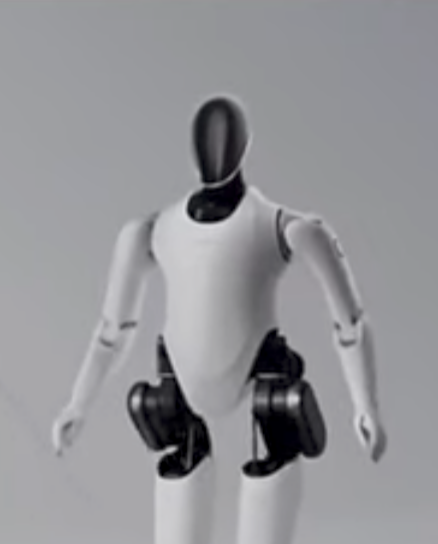
| CyberOne | Xiaomi | China | R&D | 177 cm | 52 kg | 21 + 22-27 hand | N/D | No | 1.5 kg/hand | Internal R&D | N/A | Tech demo, social | Walking |
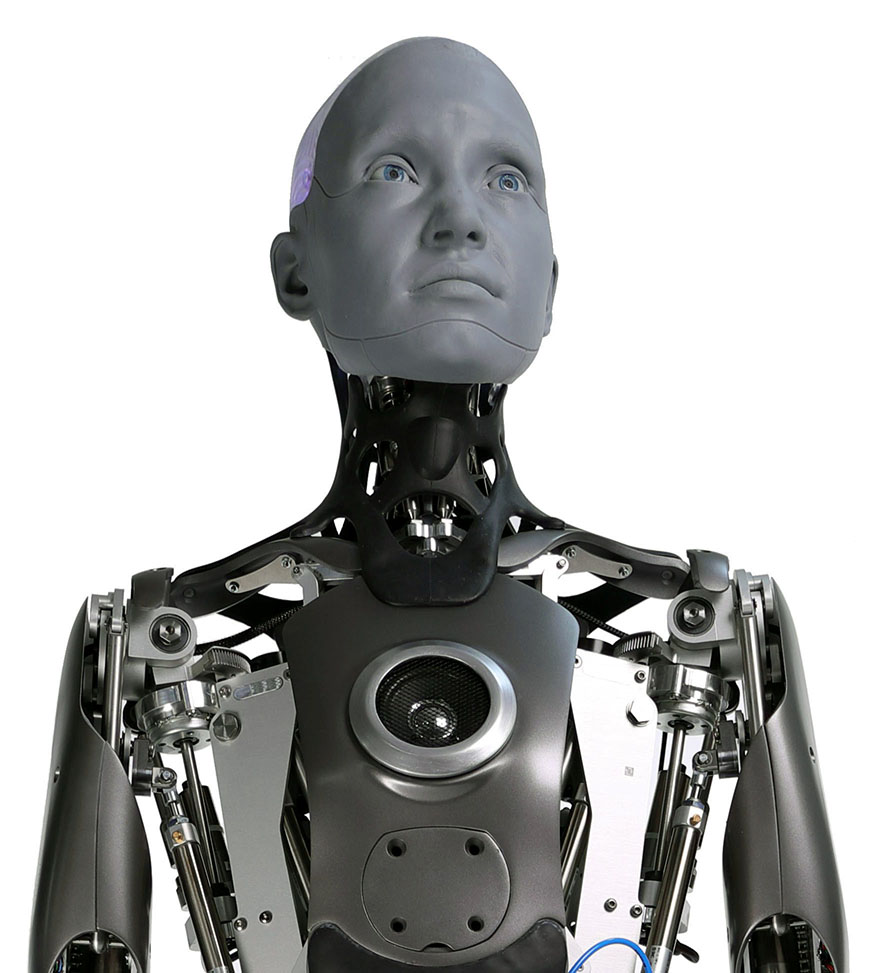
| Ameca | Engineered Arts | UK | Commercial | 187 cm | 62 kg | 61-71 | N/A (stationary) | N/A | N/D | GPT-4, Claude, Gemini (Tritium) | $100K-$500K | Events, entertainment, HRI | Stationary |
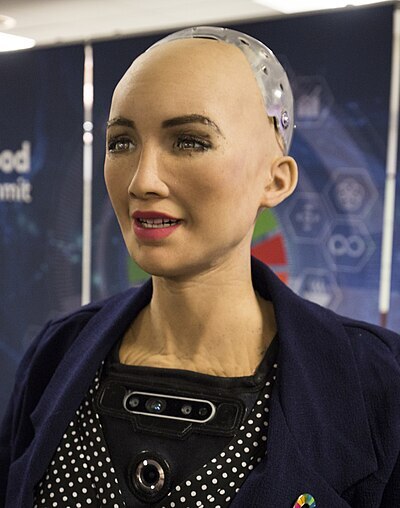
| Sophia | Hanson Robotics | Hong Kong | Commercial | 167 cm | 20 kg | 74 | 1-1.5 hrs | No (tethered option) | N/D | Multi-AI integration | R&D version available | Events, education, social | Rolling base |
Scroll horizontally for all columns. Compiled Q2 2026 — specifications and pricing change quickly in this category.
"Shipping" does not mean "production-ready for your use case." Ask for reference deployments in your industry. Demand specifics, not promises.
Your existing team needs training, clear protocols, and buy-in. The most common deployment failure is not technical. It is organizational. People need to understand what the robot does and does not do.
SDK quality, community support, update frequency, and the manufacturer's financial stability all affect your long-term risk. A great robot from a company that folds in 18 months is not a great investment.
Plant floors and clean rooms.
Logistics, 3PL, and distribution centers.
Hospitals and clinics. Memory-care tested.
200+ properties. Lobbies, corridors, ballrooms.
Universities and research institutions.
Big-box, convenience, and specialty retail.
With 10,000+ robots deployed across education, hospitality, and enterprise, RobotLAB brings real-world experience to your humanoid robot evaluation. No sales pressure. Just informed guidance. Tell us about your use case, timeline, and questions. We will connect you with the right expertise. Or contact us directly →
The questions operators ask most about humanoid robots robotics — always open, no dropdowns.
Some humanoid robots are shipping commercially in 2026, but broad deployment is still early. Robots like Agility Digit, Unitree H2, and UBTECH Walker S2 are in active commercial use. Most others are in pilot or pre-commercial stages. The technology is advancing rapidly, but realistic expectations are essential.
Prices range from $13,000 for research platforms like Engine AI SE01 to over $250,000 for commercially deployed systems like Agility Digit. Several manufacturers are targeting the $20,000-$30,000 range for future consumer and commercial models. Robot-as-a-Service (RaaS) options start around $499/month for consumer platforms and $2,000-$5,000/month for commercial units.
For heavy industrial manufacturing, Boston Dynamics Atlas leads with 50 kg payload capacity and partnerships with Hyundai. For lighter manufacturing tasks, Tesla Optimus and Figure 03 are progressing rapidly. NEURA Robotics 4NE-1 offers 100 kg payload for heavy-duty work.
Battery life ranges from 1-2 hours for smaller platforms to 8+ hours for robots like Tesla Optimus, Agility Digit. Hot-swappable battery systems on robots like Apptronik Apollo and UBTECH Walker S2 enable near-continuous 24/7 operation with battery rotation schedules.
Manufacturing and warehouse logistics are leading adoption, with active pilots at BMW, Amazon, Hyundai, and Mercedes-Benz. Healthcare (particularly rehabilitation) and education are close behind. Hospitality and retail customer service are emerging applications with growing deployments.
Yes, and this is one of the most important recent advances. Modern humanoid robots use Vision-Language-Action (VLA) models, imitation learning from human demonstrations, and foundation model integration. Sanctuary AI's Carbon system reduced task training time by 88%. Figure AI's Helix model enables on-device learning. 1X NEO learns through human teleoperation.
Industrial robot arms are fixed, single-purpose machines optimized for specific repetitive tasks in structured environments. Humanoid robots are mobile, general-purpose platforms designed to operate in spaces built for humans without requiring infrastructure modifications. Humanoids trade raw speed and precision for versatility, adaptability, and the ability to navigate human environments.
Most companies should be in planning and evaluation mode, not purchasing at scale. Start by identifying use cases, understanding your operational constraints, and engaging with manufacturers for pilot discussions. Early adopters in manufacturing and logistics are gaining valuable deployment experience that will compound as the technology matures. The worst strategy is waiting until the technology is "perfect" and then scrambling to catch up.
Safety systems vary significantly across platforms. Most include force-limiting joints, collision detection, and emergency stops. NEURA Robotics 4NE-1 features advanced proximity sensors and certified safety systems. However, humanoid robot safety standards are still being developed by standards bodies. Most current deployments include safety barriers, speed limitations, or supervised operation as additional safeguards.
Xpeng Iron leads with 82 total degrees of freedom, followed by Hanson Robotics Sophia at 74 DoF (concentrated in the upper body), Apptronik Apollo at 71 DoF, and Engineered Arts Ameca at 61-71 DoF. Higher DoF generally indicates greater range of motion and potential dexterity, but effective manipulation depends as much on control software and sensor integration as on mechanical capability.
You choose which categories of cookies are stored on your device. Strictly-necessary cookies are required for the site to function and cannot be disabled. Read more in our Privacy Policy.
Session, security, and the consent record itself. Required for the site to operate.
First-party tracking (Mautic, on t.robotlab.com) so we understand which pages and products visitors engage with and improve the site over time.
Advertising pixels (Google Ads, Meta Pixel) used to measure ad performance and show relevant ads on partner sites. Turning this off opts you out of CCPA "sale" of personal information.