<img alt="" src="https://secure.smart-enterprise-52.com/266730.png" style="display:none;">
ind cap manu mobile image (2)-16
mobile-logo

I Want To Learn More / Get a Demo:


Too much to read? Don't have time?
Choose your favorite AI, and it will summarize the content for you:


transparent-2

Robotics in Special Education drives consistent results for therapists.

Robotics in special education significantly enhances the effectiveness and consistency of therapeutic interventions. These advanced technologies offer therapists reliable tools for delivering targeted exercises and activities, crucial for tracking progress and achieving therapeutic goals. Robotics can automate repetitive tasks, ensuring that exercises are performed with precision and consistency, which is essential for students with diverse needs who require structured and predictable routines.

Additionally, the data collected by robotic systems allows therapists to monitor progress in real time, providing detailed feedback that helps in adjusting interventions as needed. This capability enables personalized treatments tailored to each student's unique needs, enhancing the overall effectiveness of therapy.

By integrating robotics into therapeutic practices, therapists benefit from a more data-driven approach, which improves accuracy and supports ongoing adjustments. This consistency and detailed tracking lead to better outcomes and foster greater student development, driving more effective and individualized care.

See our full K-12 classroom robots, coding and AI programming, and memory care robotics that use similar therapeutic approaches.

How are robotics changing special education?

Robotics is revolutionizing special education by introducing innovative tools that cater to diverse learning needs and enhance individualized support. Advanced robotic systems offer interactive and adaptive learning aids that engage students in ways traditional methods may not, providing personalized educational experiences. These robots can assist with various aspects of learning and therapy, from improving motor skills to reinforcing cognitive concepts. By offering consistent and precise interventions, robotics helps create structured and predictable environments that are crucial for students with special needs.

Additionally, the data and feedback generated by these systems enable educators and therapists to tailor their approaches more effectively, ensuring that each student's unique challenges are addressed. This integration of robotics not only enhances educational outcomes but also promotes greater inclusivity and support within special education settings.

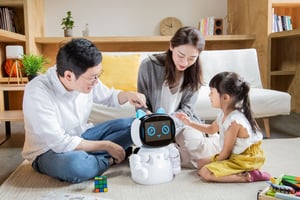
special ed kebbi-01
special ed kebbi-01
kebbi special ed-01
HALF-PAGE-2

Social skills development and engagement

Robotics is revolutionizing special education by introducing innovative tools that cater to diverse learning needs and enhance individualized support. Advanced robotic systems offer interactive and adaptive learning aids that engage students in ways traditional methods may not, providing personalized educational experiences. These robots can assist with various aspects of learning and therapy, from improving motor skills to reinforcing cognitive concepts. By offering consistent and precise interventions, robotics helps create structured and predictable environments that are crucial for students with special needs. Additionally, the data and feedback generated by these systems enable educators and therapists to tailor their approaches more effectively, ensuring that each student's unique challenges are addressed. This integration of robotics not only enhances educational outcomes but also promotes greater inclusivity and support within special education settings.

Special education and robot assisted therapy is a popular research topic:

Research funded by the National Institute of Health has validated the efficacy and deployability of robotics in special education, demonstrating notable improvements in several key areas. The use of robots has shown significant enhancements in interpersonal coordination among students, alongside increased verbalization and socialization. Additionally, these robotic interventions have led to greater compliance and cognitive learning gains. Students have also exhibited heightened engagement in motor skill activities and joint attention, highlighting the robots' effectiveness in fostering both social and cognitive development.

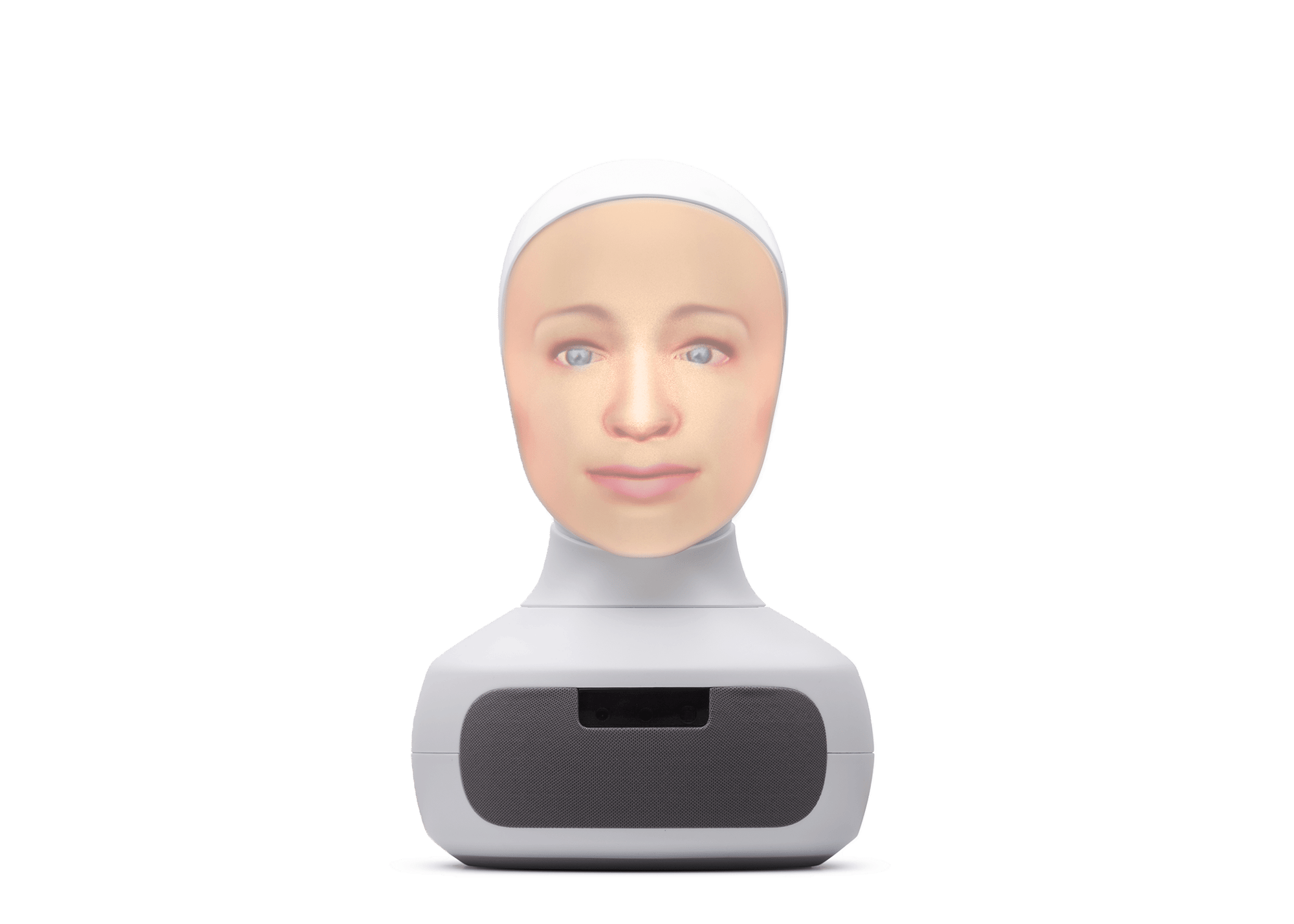
furhat photoshop-1
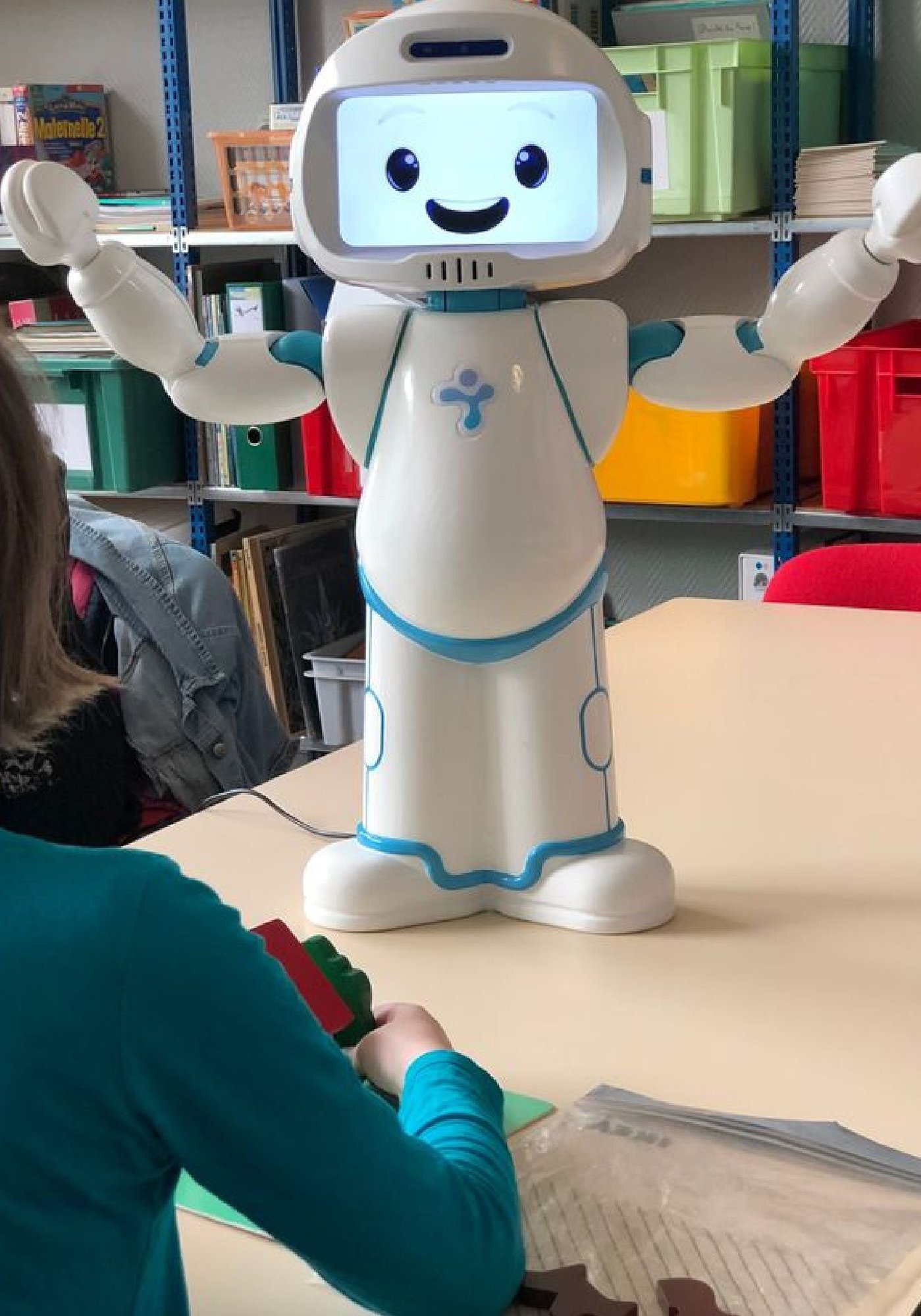
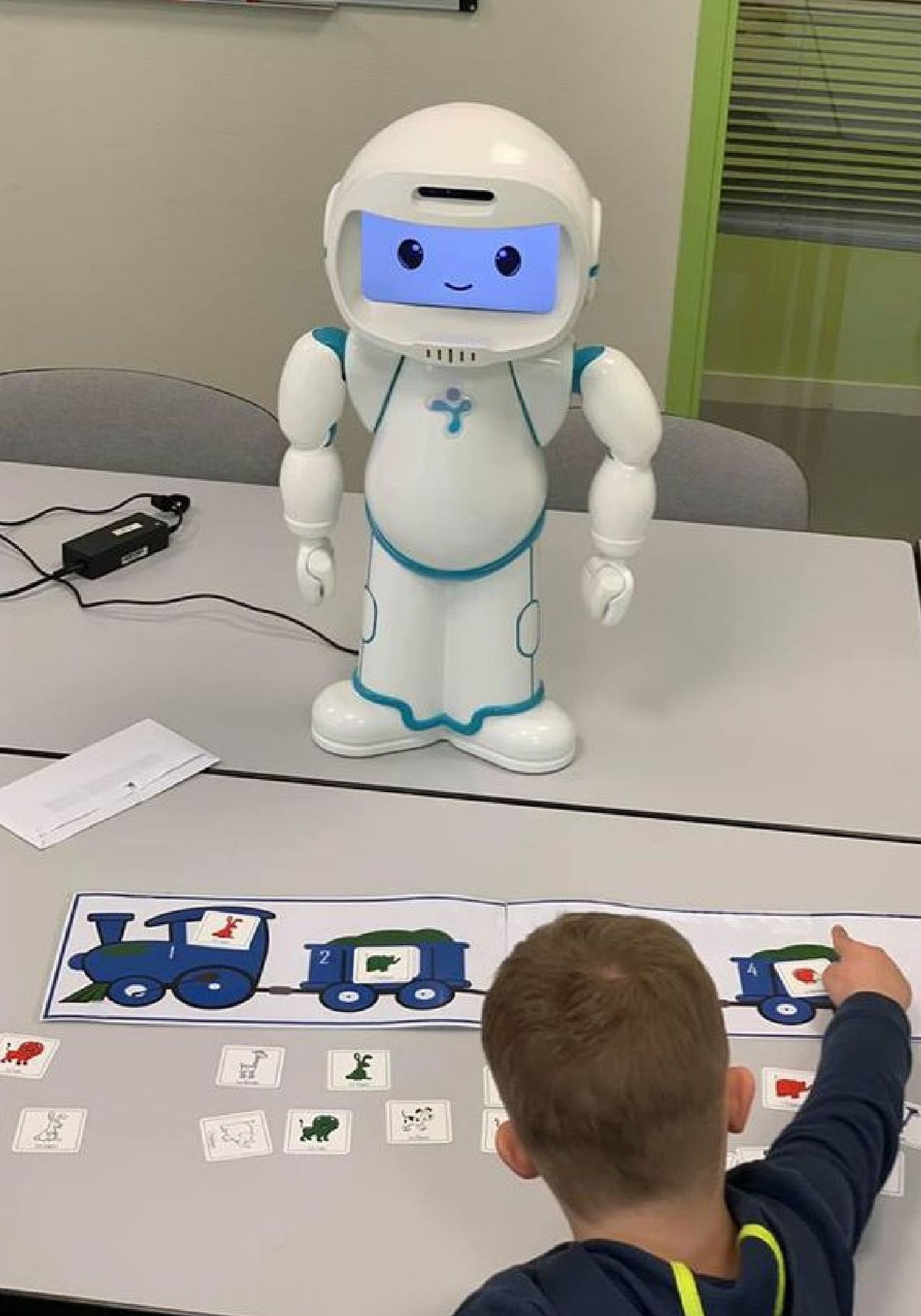
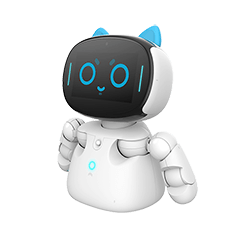
Kebbi Robot

Robotics is making a profound impact on special education by providing tailored support that addresses a variety of learning needs and challenges. These advanced systems enhance therapeutic and educational interventions through interactive and adaptive tools, which improve interpersonal coordination, verbalization, and socialization. They also contribute to increased compliance, cognitive learning gains, and engagement in motor skill activities. By delivering consistent, data-driven support and creating structured environments, robotics fosters greater inclusivity and personalized care, ultimately advancing educational outcomes and empowering students with diverse needs.

Robot-Helper At Your Service

FILTER BY:

Frequently Asked Questions About Special Education Robots

How do robots help special education students?

Robots provide consistent, structured interactions for social skills practice, cognitive development, emotional regulation, and STEM learning. They are especially effective for students with autism wh

Are RobotLAB robots designed for accessibility?

Yes. Visual programming interfaces, tactile controls, and scaffolded curriculum ensure students of all ability levels can participate. Robots support differentiated instruction across IEP goals.

Do robots help students with autism?

Yes. Research shows that students with autism often engage more readily with robots than with unfamiliar humans. Robots provide the consistency, patience, and structured interaction that supports soci

What age groups benefit from special education robots?

Pre-K through high school. RobotLAB offers age-appropriate robots from simple tactile platforms for young learners to programmable robots for secondary students. Part of 46,000+ classroom robots deplo

How much do special education robots cost?

$200 to $15,000+ depending on capability. IDEA, Title I, and ESSER funding can cover special education robotics. RobotLAB provides grant-ready quotes.

Do robots replace special education teachers or aides?

Absolutely not. Robots are tools that teachers use to enhance instruction. The teacher designs the activity, monitors student engagement, and provides the human connection that is irreplaceable in spe

What curriculum comes with special education robots?

RobotLAB provides adapted lesson plans aligned with IEP goals, social skills objectives, and STEM standards. Activities are scaffolded so teachers can differentiate for individual student needs.

Can robots support speech and language goals?

Yes. Interactive robots facilitate conversation practice, turn-taking, and language production in a low-pressure environment. Speech-language pathologists use them as therapeutic tools.

How are special education robots funded?

Through IDEA Part B, Title I, ESSER, state special education grants, and district technology budgets. RobotLAB provides grant-formatted quotes and works with special education directors on procurement

How do I get started?

Free consultation with your special education team. We assess student needs, IEP goals, and available resources. Custom recommendations within 48 hours.

From the Field: Almost Two Decades of Commercial Robotics

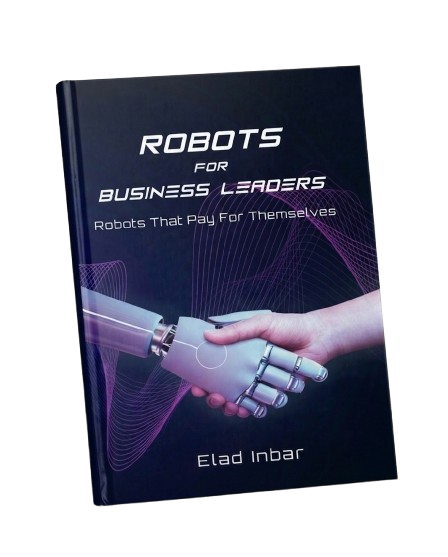
"The most powerful thing about a robot in a special education classroom is that it never loses patience. It provides the same consistent, structured interaction whether it is the first attempt or the hundredth. For students who struggle with unpredictable human social cues, that consistency is not a " - Elad Inbar, CEO and Founder, RobotLAB

Structured Social Interaction

Robots provide consistent, predictable interactions for students with autism and social communication differences. They model social skills, practice

Cognitive and Motor Skill Development

Programming and interacting with robots develops fine motor skills, sequencing, cause-and-effect reasoning, and computational thinking. These skills t

Emotional Regulation and Engagement

Students who disengage from traditional instruction often respond to robotic interaction. The novelty, the non-judgmental nature, and the clear cause-

Inclusive STEM for Every Learner

RobotLAB robots are designed with accessibility in mind. Visual programming, tactile controls, and scaffolded curriculum allow every student to partic