University robotics and autonomy research
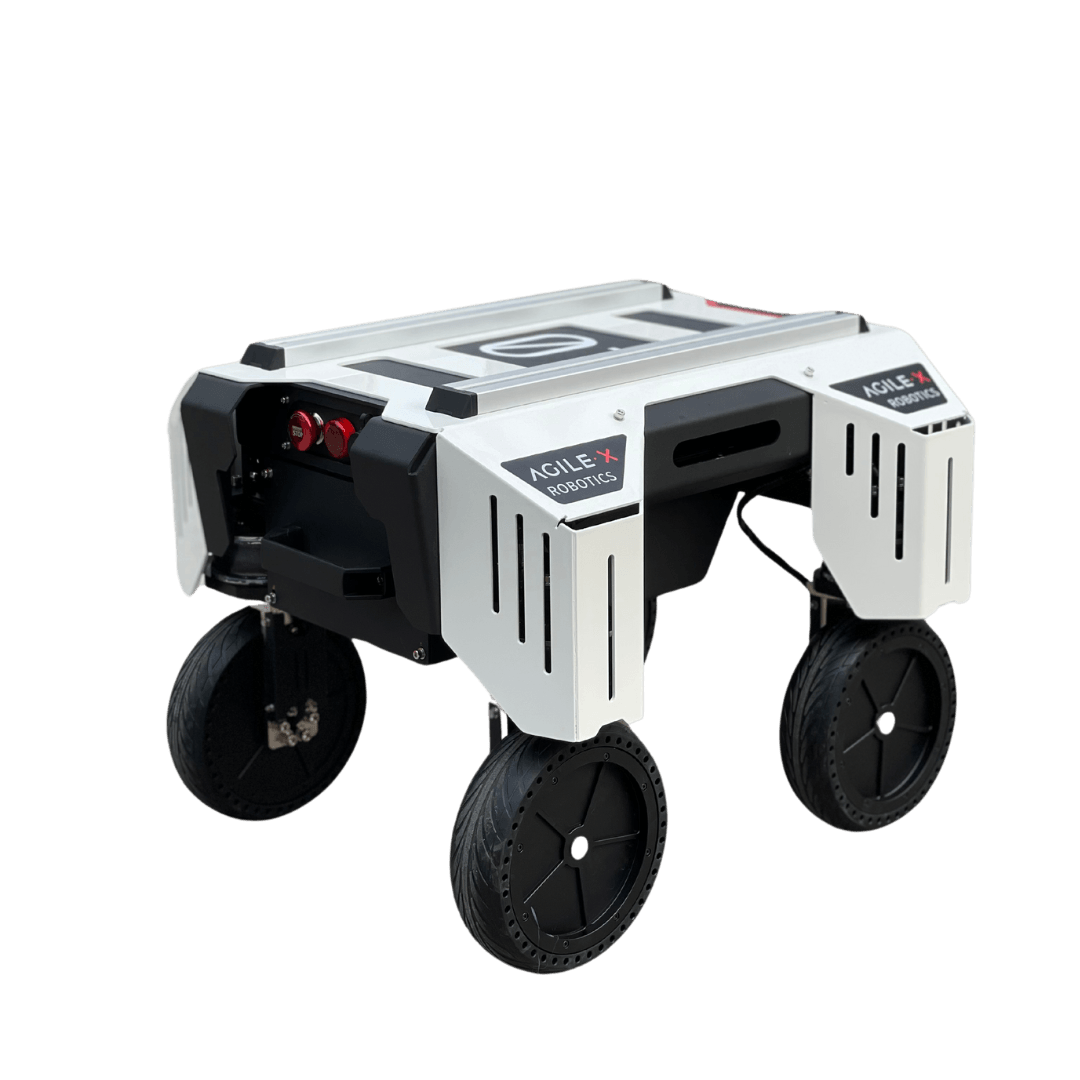
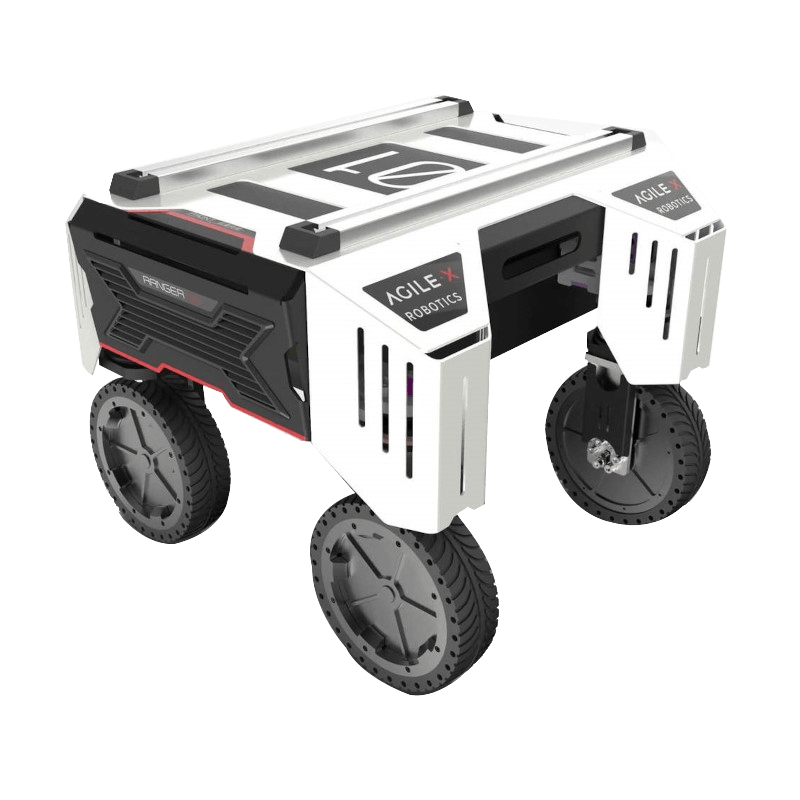
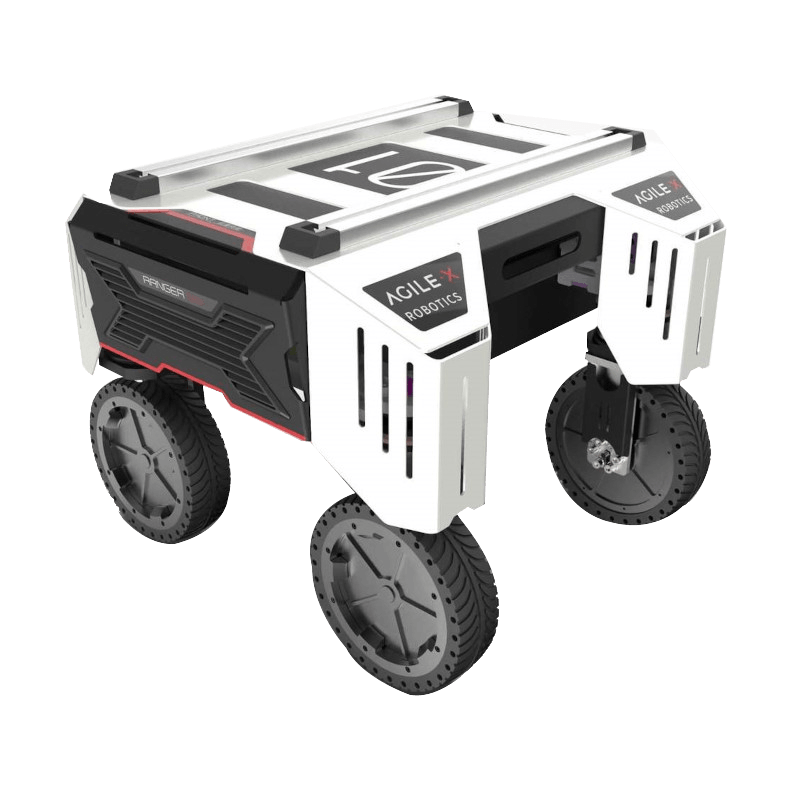
The Ranger Mini is purpose-built for higher-ed and research labs. Its open ROS1/ROS2 SDK, CAN bus interface, and T-slot mounting rails make it a blank-canvas platform for SLAM, path planning, multi-robot coordination, and control-theory experiments. The omnidirectional drive is especially valuable for teaching and studying holonomic motion that car-steered platforms cannot demonstrate. RobotLAB supports these deployments with setup, ROS validation, and faculty training.
Indoor navigation in tight, cluttered spaces
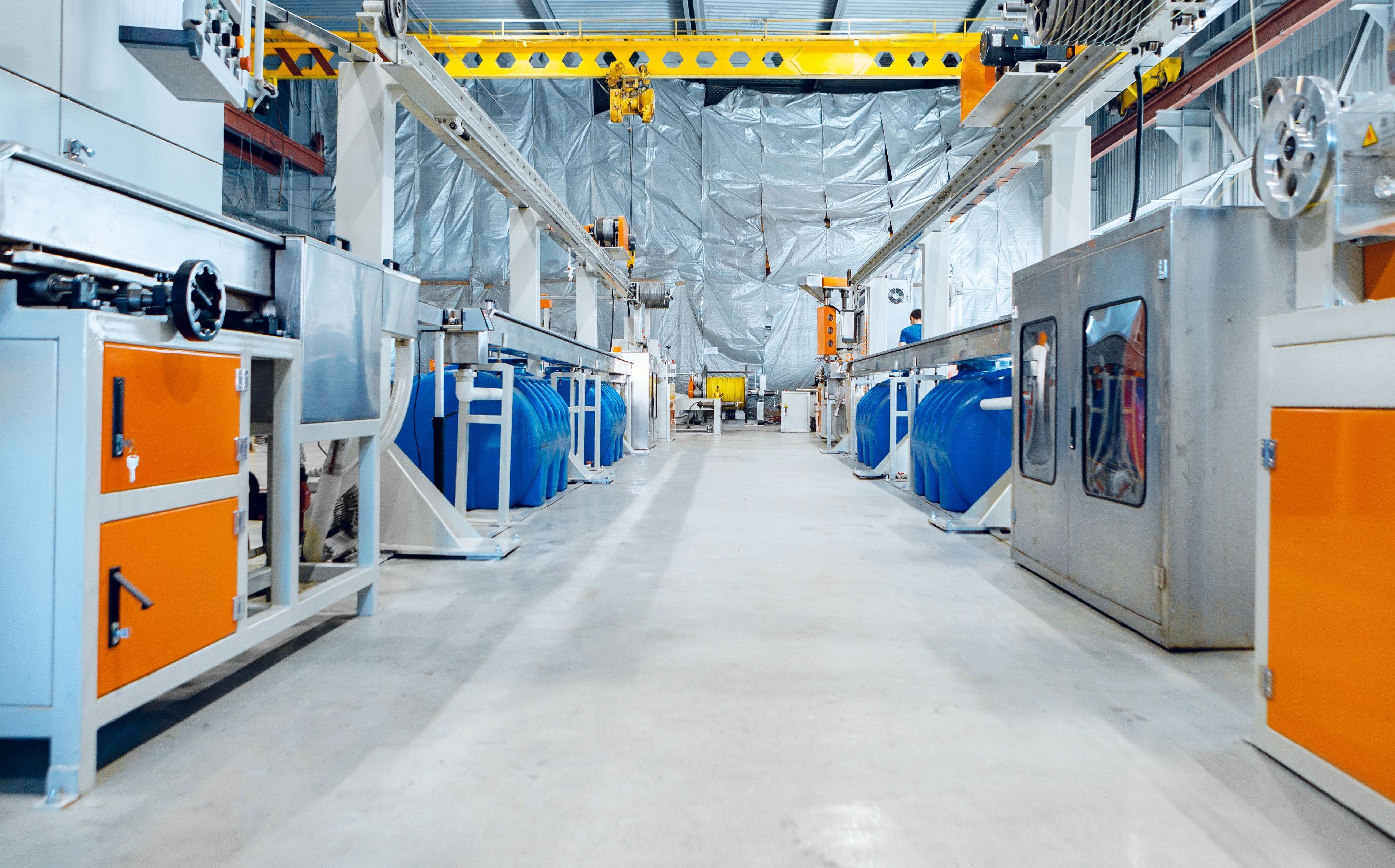
Zero-radius spin and sideways crab motion let the Ranger Mini reposition in confined aisles, lab benches, and doorways without the multi-point maneuvering a conventional rover needs. This makes it well suited to indoor inspection, mapping, and human-robot interaction studies in offices, warehouses, and manufacturing floors where space is limited.
Sensor and manipulator integration testbed
With a rated payload well above its own footprint and modular T-slot mounting, the platform serves as a mobile base for LiDAR rigs, depth cameras, and lightweight robot arms. Teams use it to prototype autonomous mobile manipulation, environmental monitoring, and data-collection missions before committing to a production platform.
Indoor/outdoor field robotics
Four-wheel independent suspension, an IP54-rated chassis, and a multi-hour battery let the Ranger Mini move between lab and light outdoor terrain. That suits applied projects in facilities monitoring, agriculture-adjacent research, and campus-scale autonomy demonstrations. Verify outdoor terrain limits and gradient with RobotLAB for your specific use.