
Uncategorized
Warehouse Automation in Miami: How Autonomous Mobile Robots Are Solving the Real Labor Problem in South Florida Distribution Centers
How hospitality operators evaluate, deploy, and scale commercial robots.
Tell us your industry and we'll recommend 3-4 robots to shortlist.
We evaluate, certify, and service every robot we sell.
From marketing, sales, demonstrations, and proof-of-concepts through deployment, training, support — and even repair. Local teams, local inventory, same-day service.
The first and only commercial robotics & AI franchise in America.
Sent by email within hours. 14-day review period. No obligation.
By Elad Inbar, RobotLAB founder & CEO — a practical guide to adopting robotics that actually delivers ROI.
About the book →Explore how modern cleaning robots handle diverse hotel flooring types using sensors and advanced suction to ensure spotless rooms; spotlight on LG Vortex.
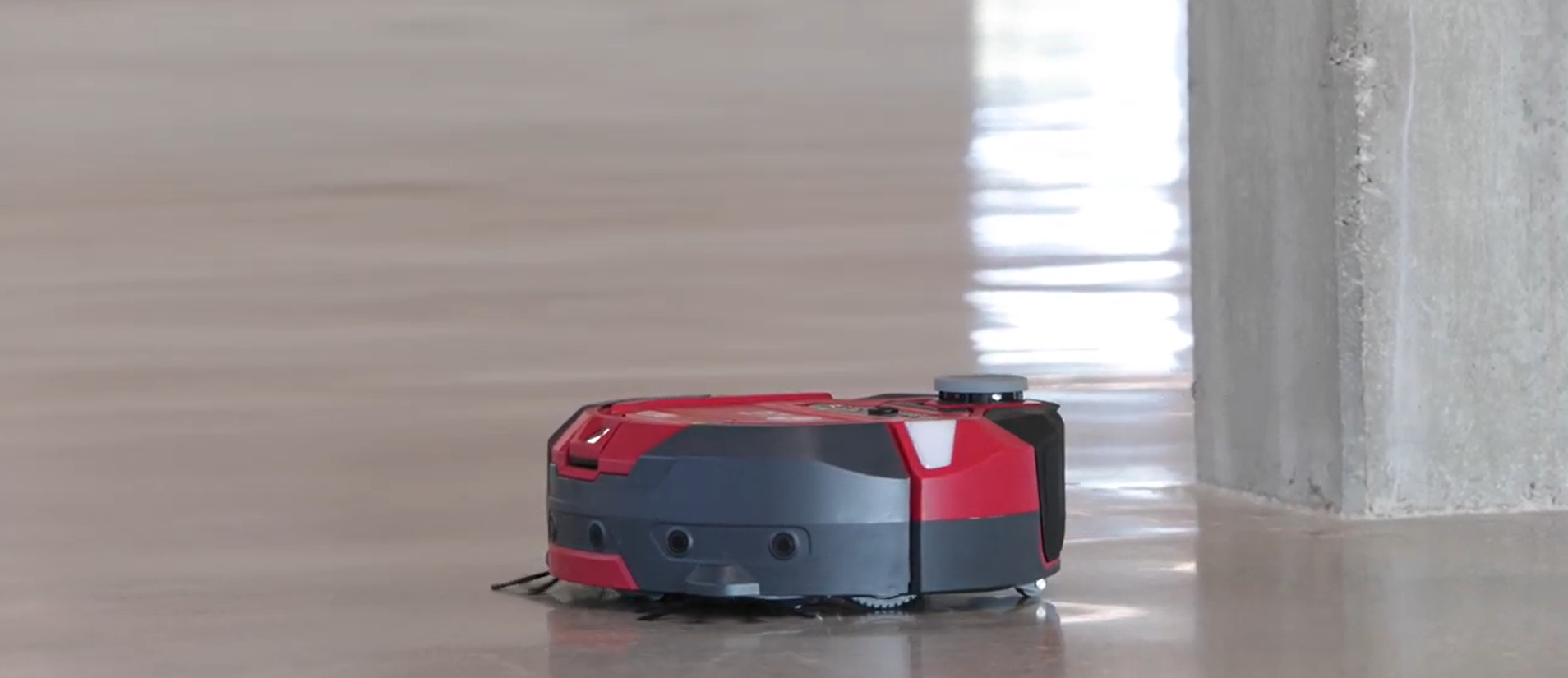
Hotels are among the most diverse and demanding environments for floor care. From polished marble lobbies and high‑traffic tiled hallways to plush carpeted guest rooms, hospitality spaces require spotless and consistent cleanliness. Traditional cleaning practices often rely on multiple machines and human labor to adapt to different surfaces, leading to inefficiencies and inconsistent results. Today’s autonomous cleaning robots promise to transform hotel maintenance by seamlessly navigating between floor types while maintaining a high standard of care. This article explores how modern cleaning robots tackle a variety of surfaces, the technologies enabling multi‑surface operation, and why versatile robots like the LG Vortex Vacuum Robot are designed for hospitality.
Every hotel tells a story through its design, and flooring is a central element. Lobby floors may feature glossy stone or ceramic tiles for a luxurious first impression, while dining areas often use hardwood or vinyl for warmth and durability. Guest rooms and corridors typically have carpet to enhance comfort and reduce noise. Each surface demands specific cleaning techniques: hard floors need dust removal and periodic scrubbing to maintain shine; carpets require regular vacuuming and grooming; and textured floors such as wood must be cleaned gently to avoid scratches.
The challenge for hotel operators is not only matching equipment to flooring but also ensuring that staff maintain consistent cleaning schedules while avoiding disruptions to guests. Robots that specialize in one surface type provide limited value when hotels must maintain dozens of flooring materials across multiple floors. The ideal solution is a multi‑surface robot that can travel seamlessly from tile to carpet, adjust its cleaning mode automatically, and maintain reliability across different conditions.
Autonomous cleaning robots rely on a combination of sensors, software and hardware design to adapt to different flooring. High‑quality machines use LiDAR and optical sensors to map spaces accurately and detect changes in floor texture or material. When the robot senses a transition—such as moving from a tiled hallway into a carpeted suite—it modifies its cleaning mode without manual intervention. Cleaning robot experts explain that robots for boutique hotels must automatically detect surface changes and adjust behavior, accommodating tile, hardwood and rugs without damaging delicate flooring.
Sensors also help robots avoid obstacles and adjust to floor irregularities. In a survey of autonomous cleaning solutions, RobotLAB notes that robots follow programmed routes precisely and, thanks to onboard sensors, avoid obstacles and adapt to different floor surfaces. This adaptability is crucial in hotels where furniture arrangements vary daily and floors may include thresholds, carpets, and runners.
The cleaning mechanisms themselves are optimized for multi‑surface use. Vacuum robots designed for commercial hospitality settings employ powerful suction and variable brush speed to pick up dirt on carpets while preventing damage to hard floors. Some models feature replaceable or retractable brushes to avoid scratching delicate wood or tile. Others use dual cleaning modes (dry vacuuming and sweeping) to transition between surfaces. High‑end robots are programmed with customizable schedules so that cleaning takes place during low‑traffic periods, ensuring minimal disruption to guests.
RobotLAB offers a suite of cleaning robots tailored to hospitality, and the LG Vortex Vacuum Robot exemplifies multi‑surface capability. On its product page, RobotLAB explains that the Vortex is an intelligent robotic vacuum designed to keep hotel lobbies, hallways and guest rooms pristine, using powerful suction, automated scheduling and quiet operation to ensure a spotless environment without disturbing guests. For healthcare facilities, the same robot leverages advanced filtration to capture dust and allergens—an important consideration for allergy‑sensitive guests.
The Vortex robot is not limited to vacuuming; it is engineered for commercial spaces with advanced LiDAR sensors and multi‑robot fleet management capabilities. It features dual cleaning modes—suction and sweep—and operates up to 14 hours a day thanks to hot‑swap batteries, enabling continuous operation across large properties. Such technology allows the robot to handle high‑traffic areas and challenging environments like dark hallways or cluttered lobbies while maintaining consistent cleaning standards. The ability to operate quietly ensures minimal disturbance to sleeping guests while still capturing fine debris on carpets and hard floors.
In addition to adaptability, the Vortex robot supports automated scheduling. Hotel managers can program cleaning routes during off‑peak hours and integrate the robot into maintenance routines. For retail spaces, the robot autonomously navigates aisles and removes dirt and debris to provide a clean shopping environment, freeing staff to focus on guest service. For offices, it efficiently removes dust and debris from shared spaces and meeting rooms, ensuring a clean environment with minimal disruption. These multi‑industry examples illustrate the robot’s versatility and show why hotels benefit from a single device that can serve multiple facilities within the property, such as restaurants, gyms and meeting rooms.
Choosing the right cleaning robot involves evaluating your hotel’s specific floor types and traffic patterns. RobotLAB’s experts advise considering whether floors are predominantly carpet or hard surfaces, as some robots specialize in vacuuming carpets while others handle wet mopping or scrubbing. For hotels with mixed flooring, look for robots with adjustable suction and multiple cleaning modes. Additionally, assess the robot’s sensor technology, battery life and noise levels.
It’s also important to evaluate support and training. RobotLAB provides commissioning services and training to ensure your staff can integrate robotics effectively. Ongoing maintenance and software updates are necessary to keep the robots functioning at peak performance. Finally, look for solutions that fit within your budget and provide a clear return on investment by reducing labor costs and improving guest satisfaction.
As the hospitality industry continues to evolve, embracing automation in housekeeping can be a competitive advantage. By investing in multi‑surface cleaning robots like the LG Vortex, hotels can ensure spotless floors, optimize staff resources, and deliver memorable guest experiences. To learn more about integrating robotics into your hotel’s operations, contact RobotLAB for a consultation and demonstration.
You choose which categories of cookies are stored on your device. Strictly-necessary cookies are required for the site to function and cannot be disabled. Read more in our Privacy Policy.
Session, security, and the consent record itself. Required for the site to operate.
First-party tracking (Mautic, on t.robotlab.com) so we understand which pages and products visitors engage with and improve the site over time.
Advertising pixels (Google Ads, Meta Pixel) used to measure ad performance and show relevant ads on partner sites. Turning this off opts you out of CCPA "sale" of personal information.