
Best robots for cleaning high-traffic hotel areas
Oct 28, 2025
Introduction
Hotel guests judge their experience long before they reach their room. From bustling lobbies to busy corridors and dining areas, the quality of cleanliness makes an immediate impression. High‑traffic zones in hotels present a unique challenge: they are continuously exposed to dirt, spills and contaminants, yet they must look immaculate at all times. In recent years, housekeeping teams have faced labor shortages and increasing sanitization requirements. As a result, many hospitality operators are exploring robotic solutions to maintain pristine, safe environments without increasing staff workload. This article explores why cleaning robots are ideal for high‑traffic hotel areas and highlights an example of a real product available from RobotLAB.
Why high‑traffic areas are hard to keep clean
High‑traffic zones such as reception areas, hallways and meeting spaces see hundreds of guests and staff moving through them each day. Traditional manual cleaning schedules struggle to keep up with constant footfall. Challenges include:
- Persistent dirt and debris: Shoes track in dust, sand and litter. Carpets collect crumbs and spills quickly, requiring frequent vacuuming and spot cleaning.
- Sanitization requirements: Since the pandemic, guests expect visible cleanliness and disinfection. Manual sanitization between every guest is impractical for human teams.
- Labor shortages: Many hotels operate with lean housekeeping crews. Relying solely on staff to clean high‑traffic areas throughout the day can lead to burnout and inconsistent results.
- Budget pressures: Rising labor costs challenge profit margins. Investing in additional staff is not always feasible for tight hospitality budgets.
These factors make autonomous cleaning solutions attractive. Robots work alongside staff to perform routine floor maintenance, allowing housekeepers to focus on high‑touch cleaning and guest services.
How cleaning robots help hotels
Modern cleaning robots are not just gimmicks; they provide measurable improvements in cleanliness and operational efficiency. According to RobotLAB’s cleaning robots overview, automated machines deliver thorough cleaning across surfaces through vacuuming, mopping, scrubbing and sanitizingitising functions. Robots follow programmed routines and deliver consistent results, maintaining high cleanliness standards while reducing the need for manual laborur. Because they operate autonomously around the clock and use less water and energy than traditional machines, they support sustainability initiatives.
Key benefits for hotel operations include:
- Consistency: Robots perform the same task repeatedly without fatigue. This means lobbies and corridors are cleaned to the same high standard every time.
- Laborur savings: By handling routine vacuuming and mopping, robots'bots free human staff to focus on guest‑facing tasks. Over time, hotels reduce overtime costs and can reallocate staff to higher‑value activities.
- Improved safety: Advanced sensors enable robots to navigate around guests and obstacles. Because robots work quietly and systematically, they minimizenimise disruption to guests.
- Data and reporting: Many robotic systems provide usage reports, route maps and maintenance alerts. Managers can see exactly how much area has been cleaned and optimizemise schedules.
- Sustainability: Robotic cleaners often use less water and energy than human‑operated machines. Their efficient operation supports green certifications and corporate sustainability goals.
For hotels striving to deliver spotless common areas, these capabilities make robots an attractive investment.
Spotlight on the Whiz autonomous vacuum robot
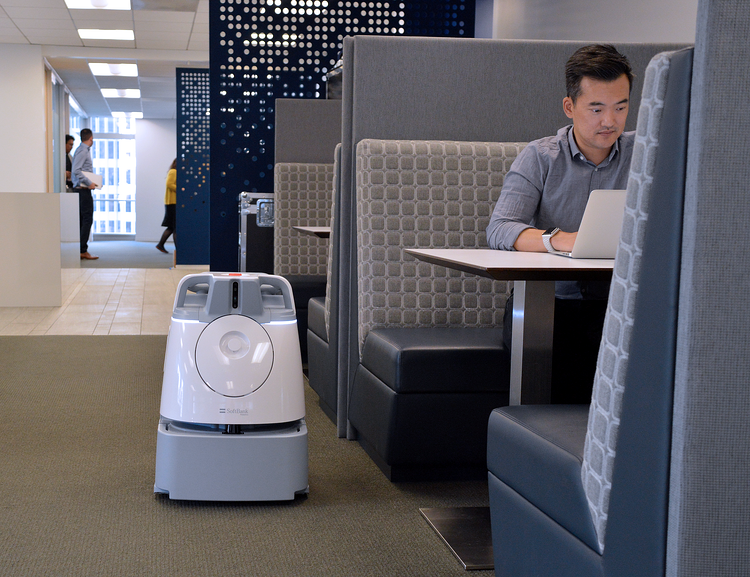
Among the innovative solutions on the market is Whiz, an autonomous commercial vacuum robot offered by RobotLAB. Powered by BrainOS, Whiz learns the optimal routes for cleaning a space and navigates autonomously to vacuum large areas efficiently. According to the product documentation, Whiz can operate for up to three hours on a single charge and cover approximately 1,500 m² during that time. Housekeeping staff can teach a route once by manually guiding the robot; thereafter, the robot remembers the path and repeats it with the press of a button.
Several features make Whiz suitable for high‑traffic hotel areas:
- Smart navigation: The robot’s BrainOS platform determines the most efficient cleaning route and adjusts if obstacles appear. Sensors allow it to detect people and objects and safely navigate around them.
- Edge and corner cleaning: Whiz can follow along walls and reach narrow spaces that some ride‑on equipment cannot, ensuring that edges and corners are free of debris.
- Extended runtime: Replaceable batteries let the robot continue operating beyond its three‑hour charge. Cleaning staff can swap batteries to keep the robot running continuously.
- Remote monitoring: Through the Whiz Connect app, managers can start, stop and monitor the robot from a distance and receive alerts or reports on its performance.
By integrating a proven robotic solution like Whiz into housekeeping operations, hotels can ensure that lobbies, banquet halls and corridors remain spotless even during peak guest traffic. Staff can teach routes once and rely on the robot to perform consistent cleaning every day.
How to choose the right cleaning robot for your hotel
While Whiz is a versatile choice, different hotels may have varied requirements. When evaluating cleaning robots, consider the following:
- Flooring type: Determine whether your high‑traffic areas are carpeted, hard‑surfaced or a combination. Some robots specialise in vacuuming carpets, while others handle wet mopping or scrubbing.
- Runtime and coverage: Estimate the total area that needs regular cleaning and the time available. Choose a robot with sufficient battery life and capacity to cover the space without constant recharging.
- Obstacle navigation: Busy hotels have people, luggage and furniture constantly moving. Ensure the robot uses advanced sensors to detect and avoid obstacles smoothly.
- Ease of use: Look for intuitive interfaces and simple training processes. Staff should be able to set up and start the robot quickly without extensive technical training.
- Maintenance and support: Partner with reputable suppliers who provide training, maintenance and prompt support. A responsive partner like RobotLAB can help integrate robotics into daily operations and troubleshoot any issues.
It’s wise to pilot robots in a specific area first. Monitor performance, gather staff feedback and adjust cleaning schedules as necessary. Once you’ve validated the results, expand the deployment to additional zones.
Conclusion
Maintaining spotless lobbies, hallways and public spaces is critical for hotels seeking to impress guests and protect their health. High‑traffic areas pose unique challenges: dirt accumulates quickly, sanitization standards have risen, and housekeeping teams face resource constraints. Robotic cleaning solutions address these challenges by delivering consistent, autonomous and sustainable cleaning around the clock. Products like RobotLAB’s Whiz autonomous vacuum robot combine intelligent navigation, long runtime and remote monitoring to keep large areas tidy with minimal human intervention. By adopting cleaning robots, hotels can enhance the guest experience, reduce labor pressures and demonstrate a commitment to innovation and cleanliness.
To explore whether a cleaning robot is right for your property, contact the RobotLAB cleaning robots team for guidance and a personalizedsed demonstration. Investing in robotic cleaning technology today positions your hotel for greater efficiency, sustainability and guest satisfaction tomorrow.






 Too much to read? Don't have time?

.webp?width=124&height=124&name=image%20(1).webp)
.webp?width=169&height=87&name=image%20(2).webp)