
What is the latest restaurant automation technology in indoor food delivery robot technology?
Oct 28, 2025
What Is the Latest Restaurant Automation Technology in Indoor Food Delivery Robot Technology?
Primary keyword: restaurant automation technology
Secondary keywords: indoor food delivery robots, latest delivery robots, BellaBot robot, restaurant service robots
The restaurant industry is undergoing a dramatic transformation. Facing persistent labor shortages and rising costs, restaurateurs are embracing automation tools to improve efficiency and meet evolving customer expectations. A recent guide from Toast POS notes that more than half of restaurants already use or plan to adopt artificial intelligence or automation technologies to tackle staffing challenges and rising expenses. While “restaurant automation” encompasses everything from self‑ordering kiosks to AI‑driven inventory management, one of the most visible and impactful innovations is the indoor food delivery robot.
Industry challenges driving automation
Restaurants today operate in a complex environment. Inflation and wage growth have increased operating costs, and turnover remains high. In the United States, hospitality wages have risen by roughly 16 percent since the COVID‑19 pandemic, yet there are still significant staffing shortages. These shortages force restaurants to rely on smaller teams, putting pressure on staff and compromising service quality.
Guest expectations are also evolving. Diners want quick, contactless service and consistent experiences. In busy restaurants, servers often juggle multiple tables while running back and forth to the kitchen. This can lead to delays and cold food, and it reduces the time servers have to interact with guests. Automation offers an answer: by delegating repetitive tasks to robots, restaurants free their staff to focus on hospitality.
How restaurant automation works
Digital ordering and kitchen automation
Automation begins before the food leaves the kitchen. Self‑ordering kiosks and mobile apps allow customers to place orders directly, reducing order errors and increasing upsell opportunities. Some quick‑service restaurants are experimenting with voice‑activated ordering systems, which use natural language processing to take orders and send them directly to the kitchen. On the production side, robotic kitchen systems like Flippy, an AI‑powered frying station, ensure consistent cooking temperatures and improve efficiency. Pizza‑making robots such as Piestro combine dough preparation, topping application and baking into an automated workflow.
Delivery, bussing and bussing assistance
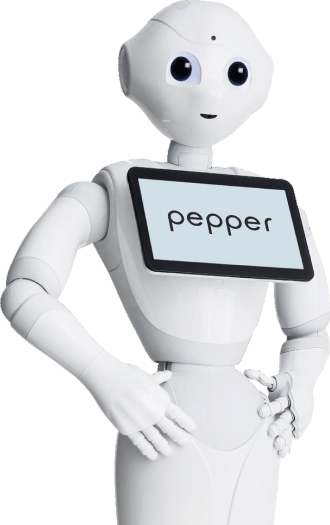
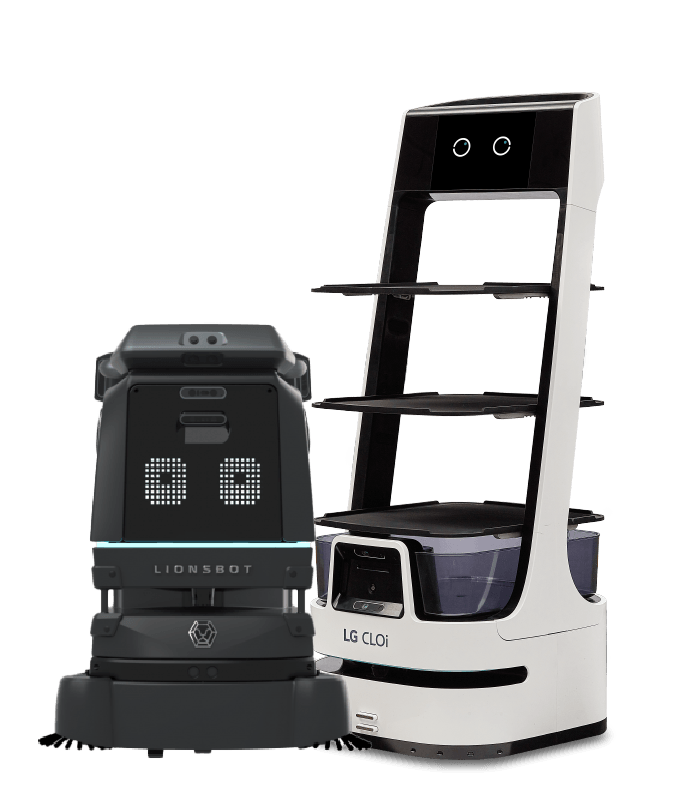
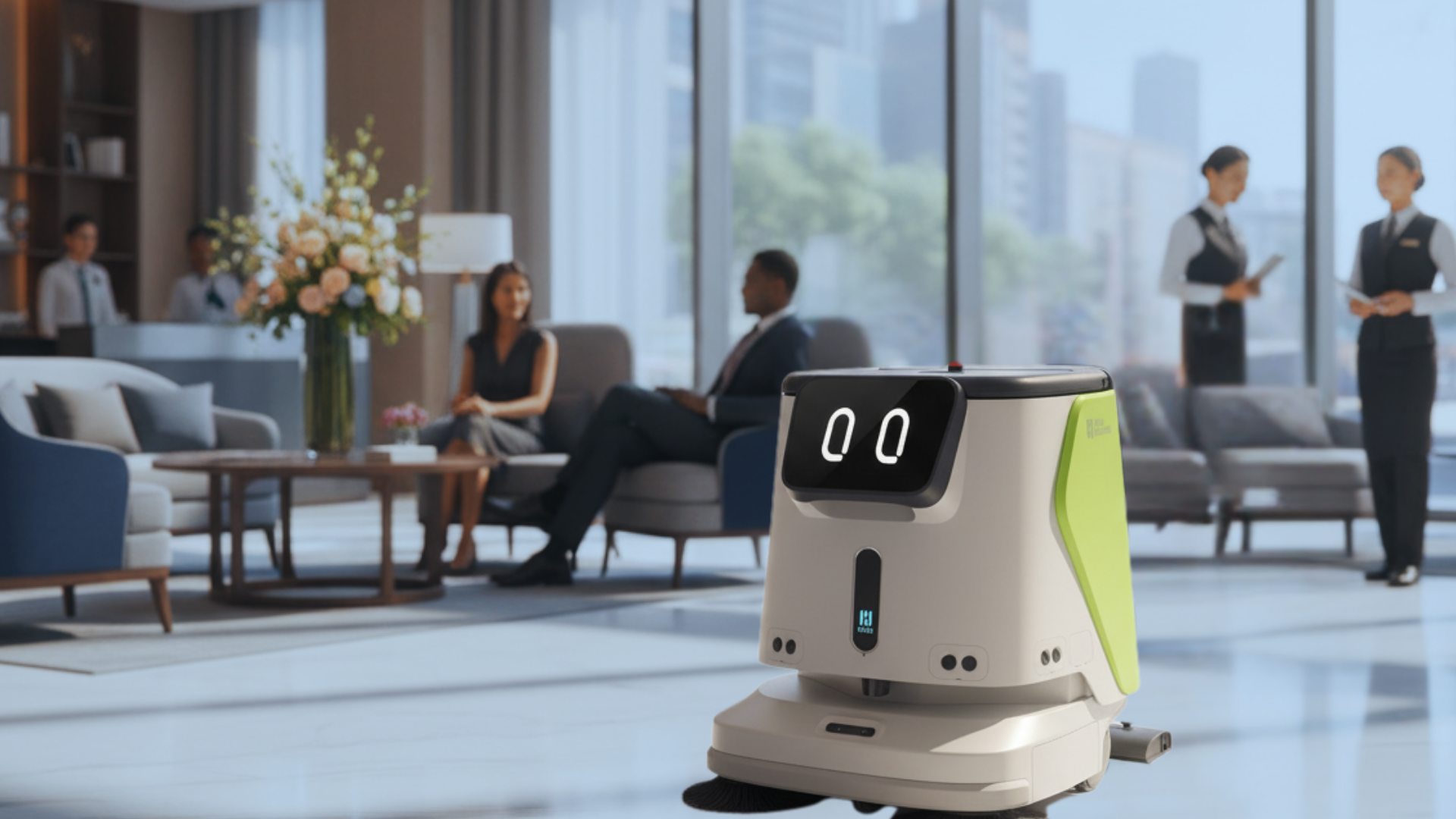
The next frontier of restaurant automation is delivery robots. These machines transport food from the kitchen to dining areas, deliver drinks, bus dirty dishes and even greet customers. According to Richtech Robotics, indoor food delivery robots free servers from constantly carrying plates, allowing them to focus on guest interactions. They also increase table turnover by transporting multiple dishes at once and delivering food quickly, ensuring it arrives hot and reducing wait times. The Matradee L robot, for instance, uses 3D cameras and LiDAR sensors to navigate crowded dining rooms. After servers load dishes onto its trays, the robot autonomously drives to the designated table, announces its arrival and prompts diners to take their orders.
These robots integrate advanced obstacle‑avoidance algorithms to move safely alongside staff and guests. They rely on lidar, cameras and sensor fusion to map their environment, detect people and objects, and dynamically adjust their path. Richtech’s guide notes that indoor food delivery robots are particularly popular in restaurants, cafes and senior homes because they can smoothly navigate dynamic environments and avoid obstacles.
Spotlight product: BellaBot delivery robot
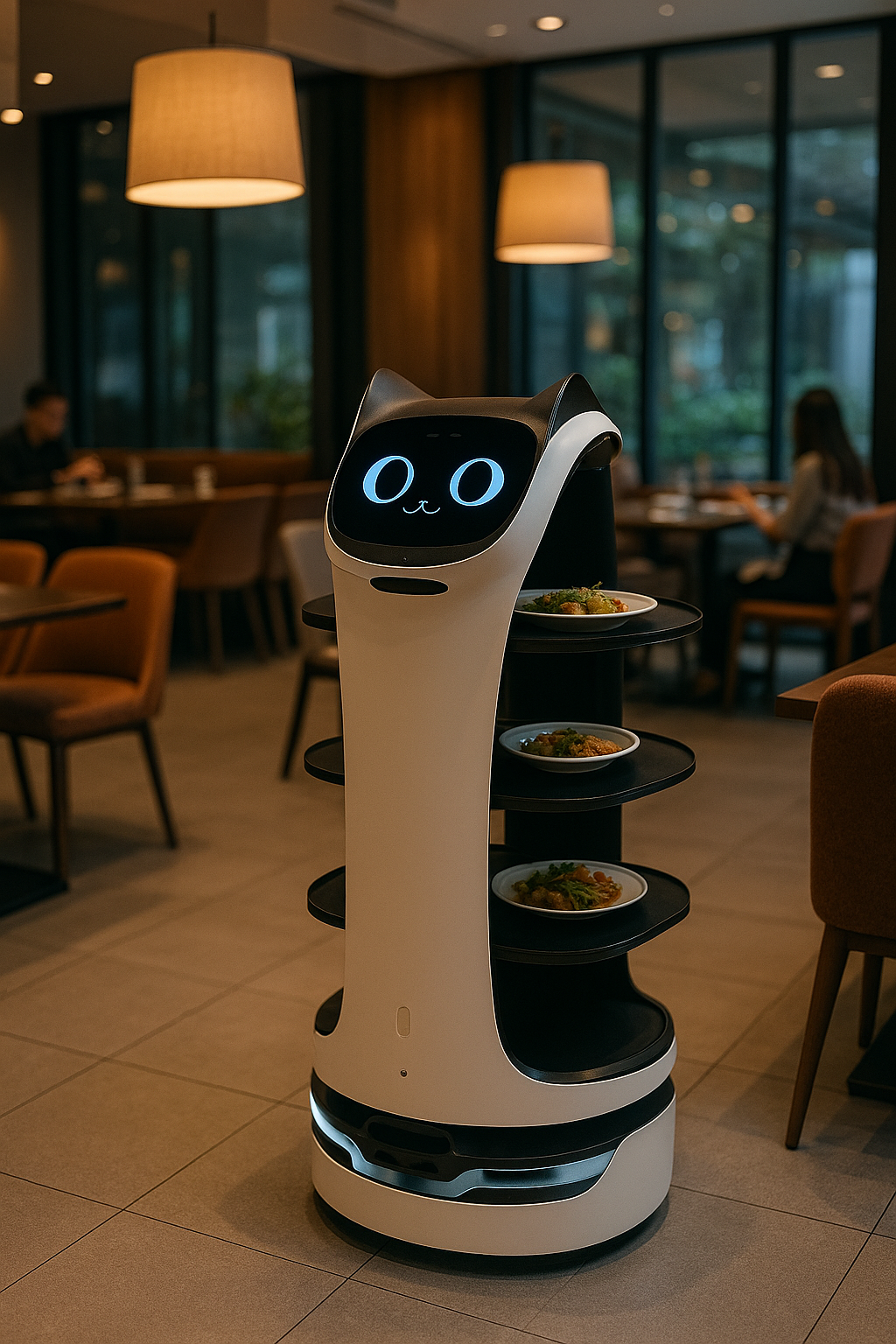
One of the most popular food delivery robots on the market today is the BellaBot by Pudu Robotics. Sold through RobotLAB, this cat‑faced service robot is designed to elevate the dining experience in restaurants. BellaBot’s sleek design and advanced technology allow it to efficiently deliver food and beverages, interact with guests and provide a memorable dining experience. Here are some key features:
- Efficient multi‑tray delivery: BellaBot carries multiple dishes on its shelves and delivers them autonomously to tables. This shortens table turn times and ensures food arrives hot.
- Interactive guest engagement: The robot uses an intuitive touch screen and friendly, cat‑like facial expressions to engage with customers. It can greet guests, announce deliveries and even sing birthday songs.
- Advanced navigation: BellaBot combines lidar, cameras and AI algorithms to safely navigate busy dining rooms. It avoids obstacles and moves smoothly alongside staff and guests.
- Cross‑industry versatility: In assisted‑living facilities, BellaBot helps residents with daily tasks and entertainment; in retail, it guides shoppers and delivers items, providing personalized assistance.
For restaurants, the value proposition is clear. By letting BellaBot handle repetitive food delivery and bussing tasks, servers can concentrate on high‑touch interactions that drive guest satisfaction. The robot also serves as a marketing draw—its adorable design attracts attention and encourages social‑media sharing. RobotLAB’s product page emphasizes that BellaBot enhances service quality while freeing up staff to focus on more critical tasks.
Benefits of indoor food delivery robots
- Improved efficiency and cost savings: Robots reduce the distance staff need to walk and allow them to serve more tables simultaneously. Because they operate continuously, robots improve throughput and reduce wait times. Over time, this translates into lower labor costs and higher revenue.
- Consistency and accuracy: Robots follow programmed routes and tasks without deviation, ensuring orders are delivered correctly every time. This consistency improves guest satisfaction.
- Enhanced employee morale: With robots handling strenuous and repetitive tasks like carrying heavy trays, employees can focus on engaging with guests and performing higher‑value activities. This reduces fatigue and burnout.
- Innovative brand image: Deploying robots signals that a restaurant is forward‑thinking. Many guests appreciate the novelty and share their experiences on social media, which can drive organic marketing.
Key takeaways
Restaurant automation is no longer a futuristic concept—it’s a necessity. Rising labor costs and staff shortages are driving restaurants to adopt technologies like self‑ordering kiosks, robotic kitchen systems and indoor food delivery robots. According to industry research, these tools address core challenges by improving efficiency, reducing errors and freeing staff to focus on hospitality. Food delivery robots, in particular, have evolved from novelties into reliable workhorses: they navigate complex dining rooms using sensors and AI, deliver multiple dishes at once and interact with guests to create memorable experiences.
RobotLAB’s BellaBot exemplifies the latest advances in indoor food delivery robots. Its sleek design, multi‑tray capacity, interactive interface and industry‑specific versatility make it a powerful solution for restaurants looking to automate service without compromising on hospitality. As automation technologies mature, they will continue to play a pivotal role in helping restaurants meet the demands of a competitive market while delighting diners.






 Too much to read? Don't have time?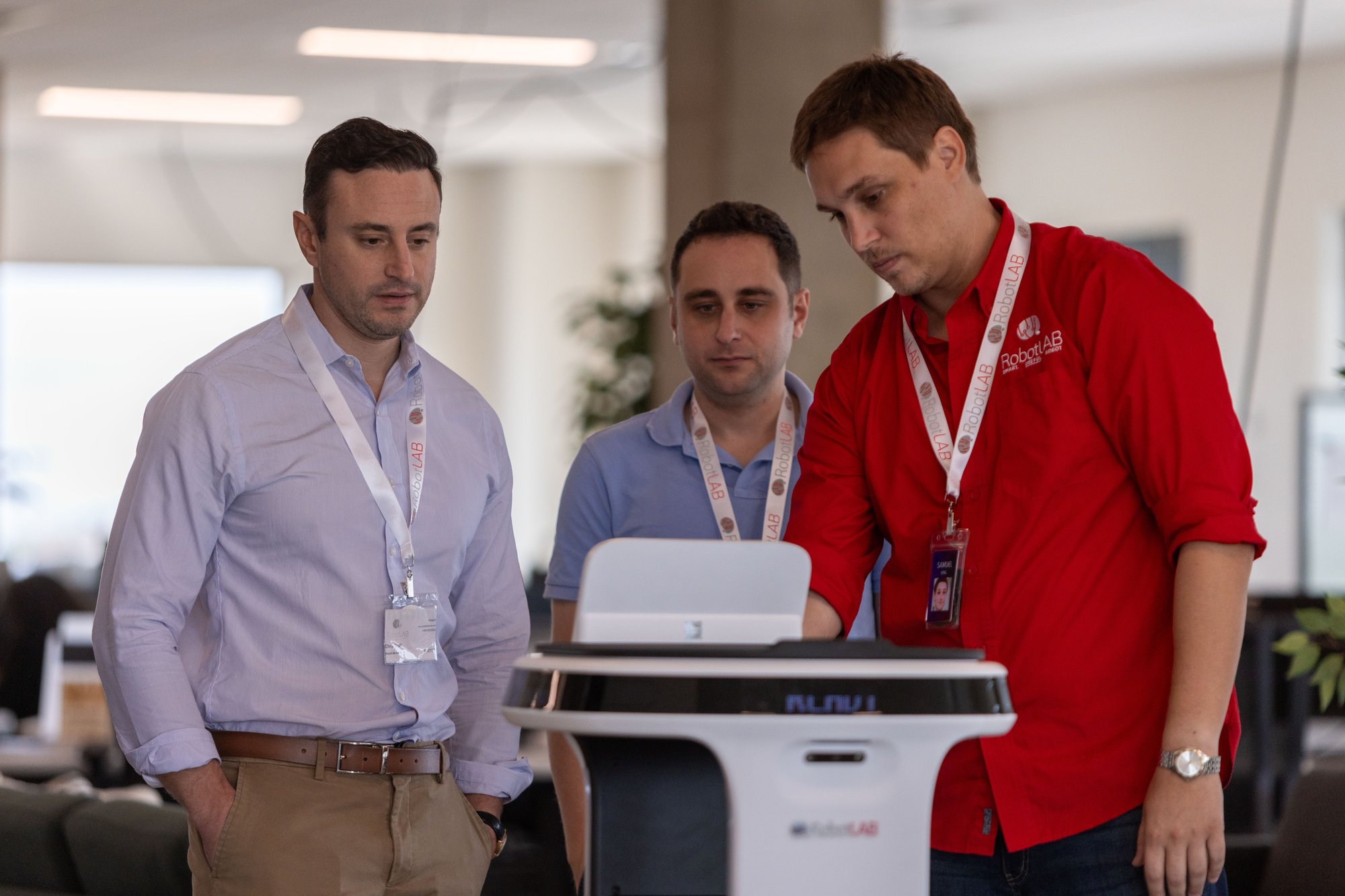

.webp?width=124&height=124&name=image%20(1).webp)
.webp?width=169&height=87&name=image%20(2).webp)