
Which robotic vacuum cleaner solutions offer the best value for hospitality
Oct 28, 2025
Cleanliness as a competitive advantage in hospitality
In the fast‑paced hospitality industry, cleanliness is more than a basic expectation—it’s a competitive advantage. Guests who have become hyper‑aware of hygiene expect hotels to offer spotless lobbies, fresh corridors and sanitized rooms at all times. According to RobotLAB’s hospitality experts, heightened guest expectations and the need to maintain brand reputation compel hotel operators to seek advanced cleaning methods rather than relying on traditional housekeeping alone. At the same time, labor shortages and rising wages make manual cleaning harder to scale. The result is a perfect storm: hotels must deliver impeccable cleanliness with fewer hands and tighter budgets.
Why robotic vacuum cleaners are gaining traction
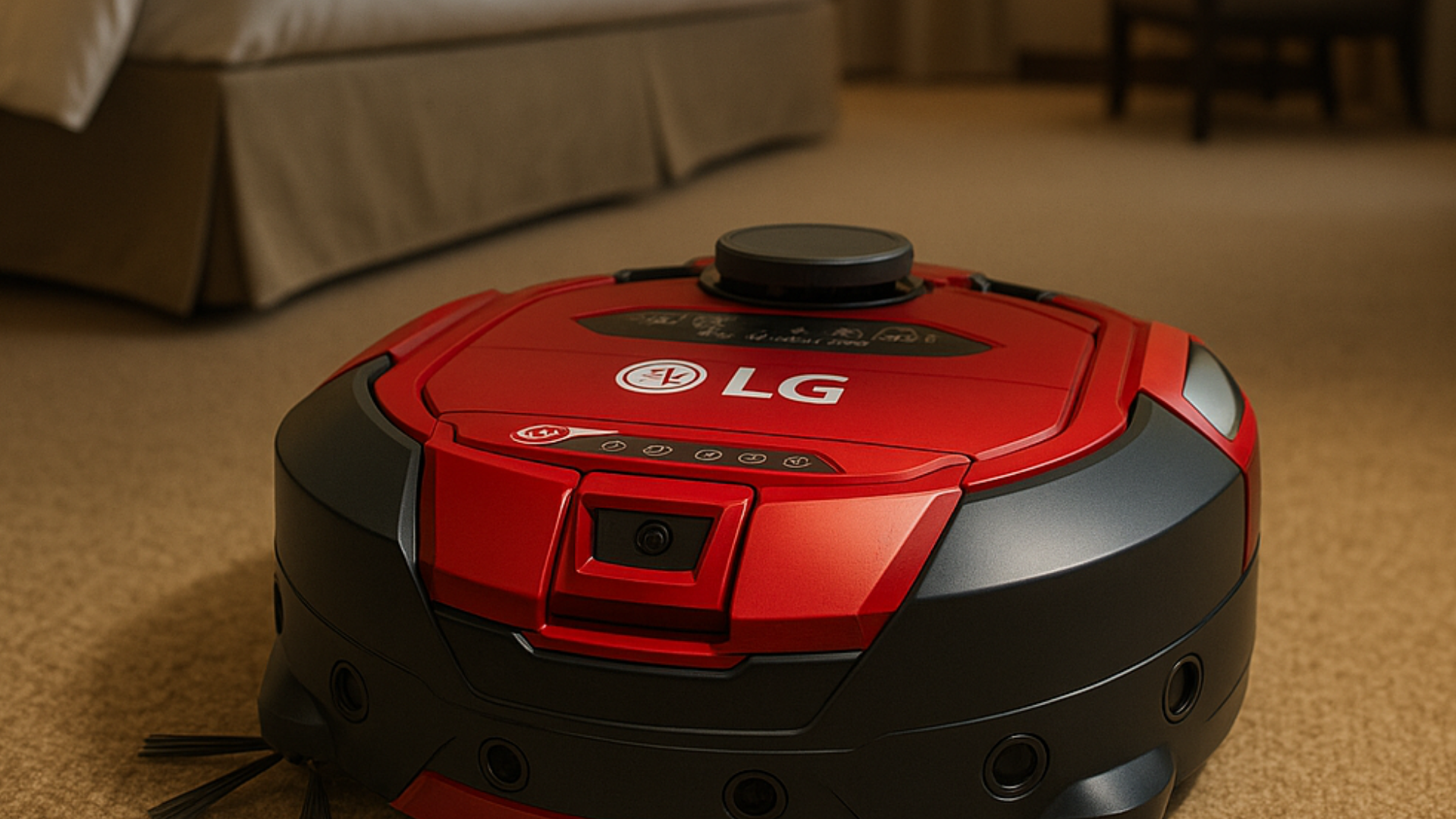
Autonomous cleaning robots are transforming hotel housekeeping by automating repetitive tasks and freeing staff to focus on guest‑facing responsibilities. Among the different categories of cleaning robots—autonomous vacuum robots, UV disinfection robots, floor scrubbers and even delivery robots—vacuum robots are particularly valuable for hospitality settings. Modern machines quietly roam corridors and lobbies, collecting dust and debris without disturbing guests. Many models can clean 30,000–50,000 square feet per charge and some cover more than 100,000 square feet per day. By taking on routine vacuuming, robots reduce labor costs and improve cleaning consistency, providing a better first impression for guests and helping hotels achieve five‑star cleanliness ratings.
Key factors when evaluating robotic vacuums
Selecting the right robotic vacuum cleaner is about more than just price. Hoteliers should consider the features that drive long‑term value:
- Cleaning performance: Evaluate suction power, edge cleaning and versatility. For example, the Gausium Vacuum 40 offers 3‑in‑1 functionality—vacuuming, sweeping and dust mopping—with a high‑power 24 kPa suction motor and zero‑distance edge cleaning capability. Such features ensure carpets, tiles and hardwood floors are thoroughly cleaned in a single pass.
- Filtration and hygiene: Look for HEPA filtration and dust suppression systems to minimize airborne particles. The Vacuum 40’s multi‑purpose diffuser kit includes an H13 HEPA filter and an optional disinfectant diffuser that captures fine particles and neutralizes pathogens.
- Navigation and adaptability: Advanced sensors and AI‑based obstacle avoidance allow robots to traverse complex layouts and adapt to different floor types. The Vacuum 40 uses high‑precision sensors and smart obstacle avoidance to navigate hotels, offices and even schools. A robot should be able to handle carpet, tile and vinyl without human intervention.
- Battery life and coverage area: Consider how many square feet the robot can clean per charge and whether it supports automatic docking. Leading models cover tens of thousands of square feet and automatically return to charging docks when battery levels run low.
- Ease of operation and connectivity: Modern robots should be easy for staff to operate with intuitive touchscreens or mobile apps. Remote monitoring, scheduling and data analytics allow managers to optimize cleaning routes and respond to maintenance needs.
- Service and support: Since robots are capital investments, partner with a provider that offers training, maintenance and rapid support. RobotLAB’s hospitality solutions include user‑friendly interfaces, remote monitoring and integration options, backed by deployment and training services.
Spotlight: Gausium Vacuum 40—an all‑in‑one solution
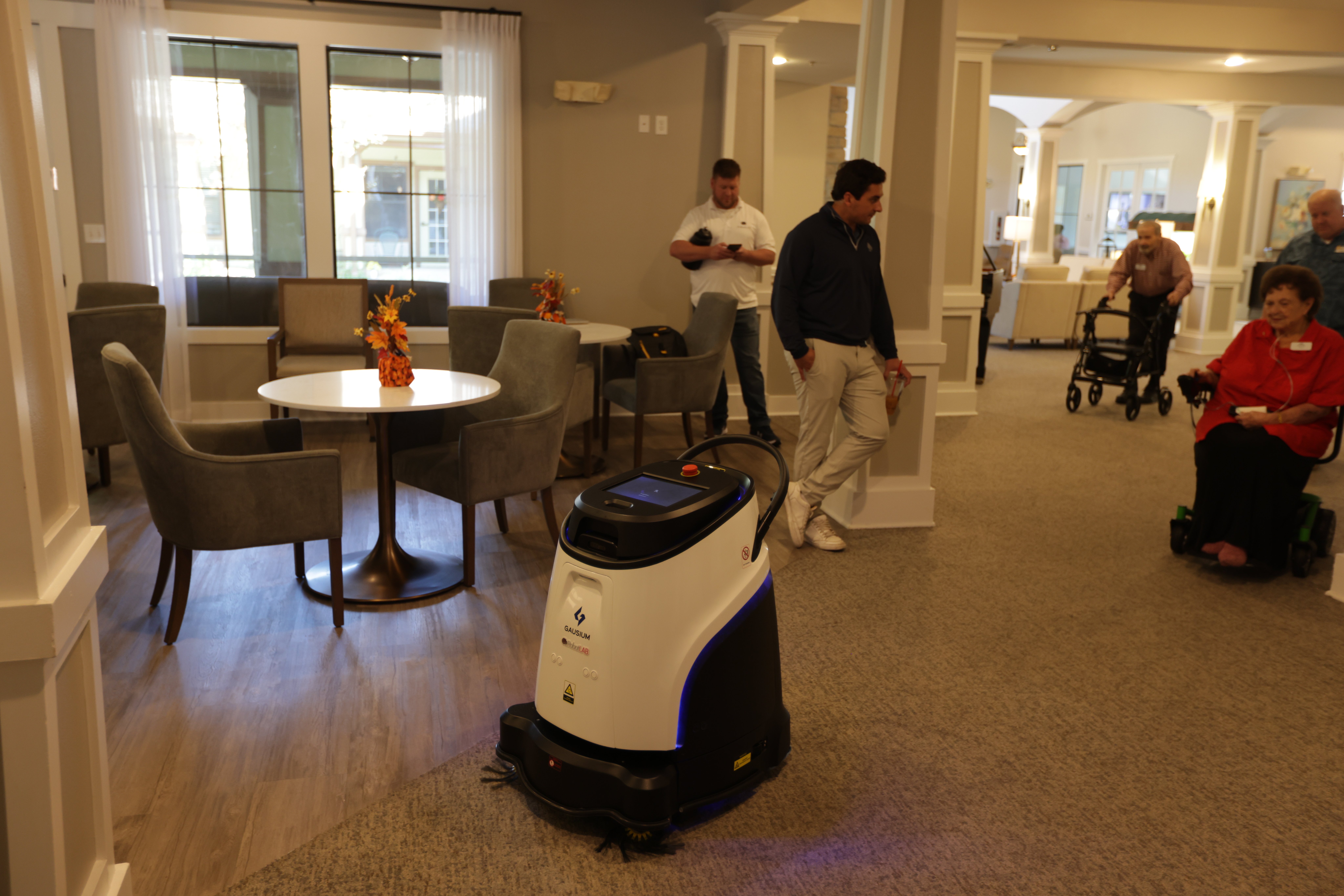
When assessing value, the total cost of ownership—initial price, operating expenses and expected lifespan—matters more than sticker price. A great example is the Gausium Vacuum 40, one of RobotLAB’s flagship cleaning robots. The Vacuum 40 is designed specifically for high‑end hospitality, offices and healthcare facilities. It combines vacuuming, sweeping and dust mopping in a single compact unit, allowing hotels to replace multiple machines with one smart device.
Powered by a 24 kPa suction motor and adjustable brush modules, the Vacuum 40 adapts to carpets, tile and wood, while its zero‑distance edge cleaning reaches right up against baseboards and furniture. Three vacuuming modes—standard, deep cleaning and silent—let operators choose between maximum suction or ultra‑quiet operation for nighttime cleaning. The robot’s high‑efficiency HEPA filtration captures fine dust and allergens, and an optional aroma diffuser adds a fresh scent. With smart obstacle avoidance, LiDAR‑based navigation and a mobile app for remote control, staff can monitor cleaning progress and update schedules from anywhere.
The Vacuum 40 also features automatic docking and charging, meaning it returns to its dock when the battery runs low and resumes cleaning once charged. This autonomy allows the robot to clean up to 50,000 square feet per charge, ensuring large hotel hallways and ballrooms are covered continuously without human intervention. Over time, the combination of efficient cleaning, reduced labor costs and extended coverage translates into significant ROI for hoteliers.
Measuring value: ROI and guest satisfaction
Beyond technical specifications, decision makers should consider how vacuum robots impact guest satisfaction and operating costs. Robots deliver consistent cleaning patterns and adhere to pre‑set routes and schedules, eliminating the variability that often accompanies manual cleaning. They work around the clock, tackling tasks during off‑peak hours so public areas remain spotless without disrupting guests. By automating repetitive vacuuming, hotels can reassign staff to more personalized guest services, which enhances the overall experience and fosters positive reviews.
Meanwhile, 24/7 operation reduces the need for overnight staff or third‑party cleaning services. Robots also collect data on high‑traffic areas and cleaning frequency, enabling managers to make data‑driven decisions and tailor cleaning schedules. When combined with lower labor costs, the return on investment becomes clear: many hotels recoup their initial outlay within a few months. The savings continue over the robot’s multi‑year lifespan, while improved cleanliness boosts occupancy rates and average daily rates.
Best practices for adopting robotic vacuum cleaners
To maximize the value of robotic vacuum cleaners, hotels should follow a thoughtful adoption strategy:
- Assess cleaning needs: Identify which areas—lobbies, corridors, ballrooms or meeting rooms—will benefit most from automated cleaning. Carpeted areas and high‑traffic corridors are prime candidates for vacuum robots.
- Select the right technology: Compare models based on battery life, cleaning modes, filtration and floor compatibility. Consider the total cost of ownership, not just the purchase price.
- Plan integration: Coordinate schedules so robots clean during off‑peak hours and avoid overlapping with human staff. Ensure Wi‑Fi coverage and clear pathways for navigation.
- Train staff: Provide hands‑on training and resources so housekeeping teams feel confident operating the robots. Encourage staff to view robots as partners that enhance their work rather than replacements.
- Engage guests: Use signage or staff explanations to introduce robots to guests and turn curiosity into a positive experience. Feedback from guests can also inform future adjustments.
Looking ahead
Autonomous vacuum cleaners are no longer futuristic novelties; they’re practical tools that deliver measurable value. As artificial intelligence and sensor technology advance, cleaning robots will become even more capable, with predictive maintenance, personalized service features and enhanced navigation. For hotels striving to exceed guest expectations while controlling costs, adopting robotic vacuum solutions is a smart investment. By partnering with a trusted provider like RobotLAB and choosing versatile products such as the Gausium Vacuum 40, hospitality leaders can elevate cleanliness, improve staff efficiency and maintain a competitive edge in the evolving travel landscape.






 Too much to read? Don't have time?

.webp?width=124&height=124&name=image%20(1).webp)
.webp?width=169&height=87&name=image%20(2).webp)