
Where Can I Find the Latest Restaurant Automation Solutions for My New Restaurant?
Nov 7, 2025
Introduction: Robotics and Modern Restaurant Challenges
Opening a new restaurant is exciting, but it comes with a long list of logistical challenges. New owners must balance staffing, service quality, food consistency and operating costs. With inflation and labor shortages, restaurants worldwide are turning to automation and robotics to stay competitive. According to RobotLAB, food service businesses can improve efficiency and quality by integrating robots for tasks such as greeting, food delivery, bussing and cooking. Adopting the right automation solutions can help new restaurants deliver excellent customer experiences while controlling costs.
Industry Problems Facing New Restaurants
When starting a restaurant, operators often grapple with high labor costs and unpredictable customer traffic. Hiring and retaining staff is harder than ever, and employees must handle repetitive tasks like running plates back and forth from kitchen to dining room, clearing tables and prepping ingredients. These tasks are essential, but they contribute little to the kind of hospitality that inspires repeat visits.
Additionally, manual processes reduce consistency. Each server may carry plates differently, drop food at different times or handle cleaning with varying diligence. Inefficiencies accumulate quickly, leading to longer wait times, higher payroll expenses and lower customer satisfaction. For new restaurants that rely on positive reviews and word‑of‑mouth marketing, these inefficiencies pose a serious threat.
Robotic Solutions for New Restaurants
RobotLAB’s restaurant automation solutions help address these pain points. Below are key categories of restaurant robots and how they solve the issues facing new owners.
Delivery Robots
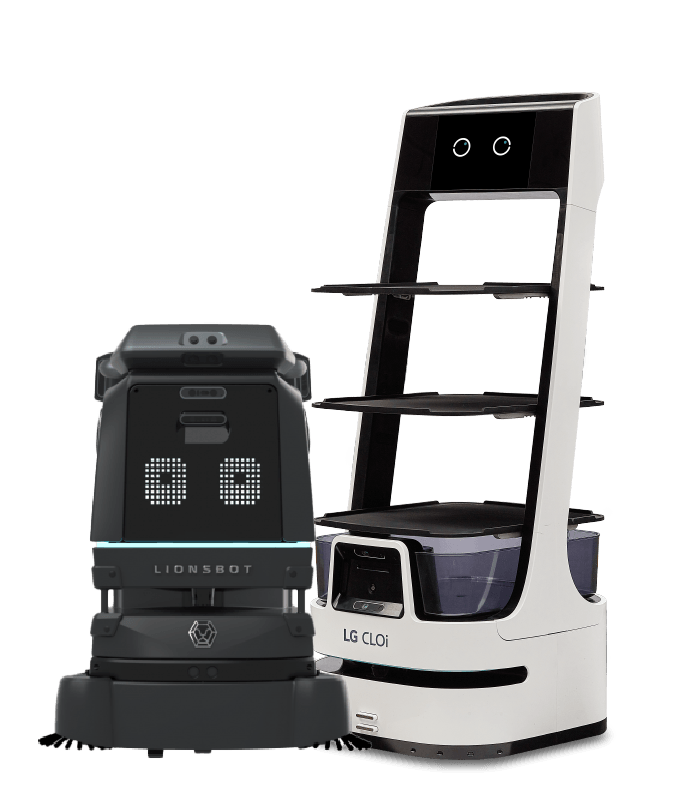
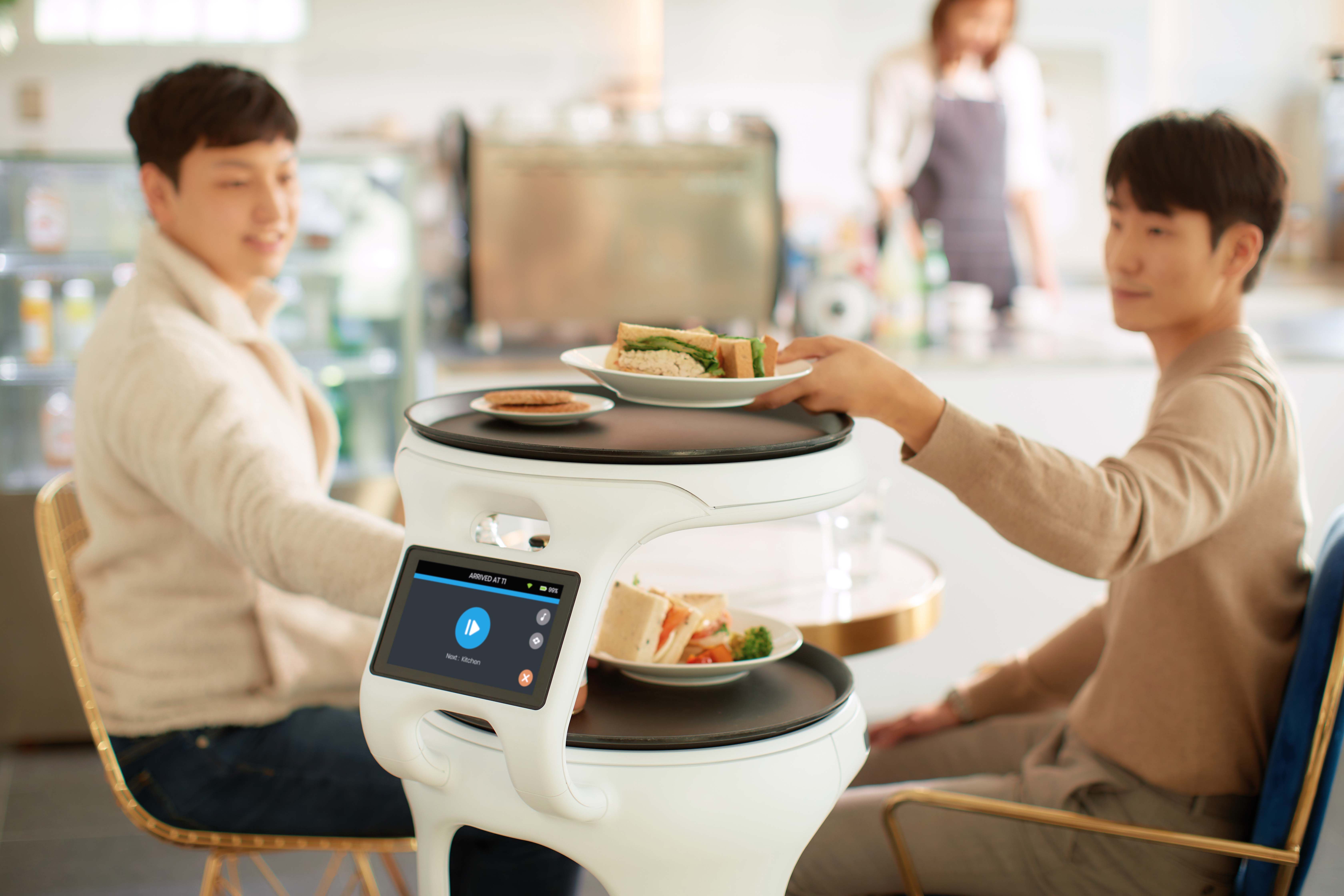
Food delivery robots are designed to transport plates and drinks from the kitchen to diners, ensuring smooth, timely service. RobotLAB notes that delivery robots keep servers in the dining room interacting with guests while the robot “food runners” handle the back‑and‑forth trips. In addition to improving guest service, delivery robots save labor: leasing a delivery robot costs about $700 per month, compared to approximately $3,600 per month for a dedicated food runner. This yields an impressive 414% return on investment. For a new restaurant watching every dollar, this ROI makes delivery robots a smart investment.
One of the best food delivery robots on the market is Servi, an autonomous food‑service robot developed by Bear Robotics and offered by RobotLAB. Servi uses sensors and AI to navigate busy dining rooms, stop when people cross its path and deliver plates with a smooth, level ride. By handling repetitive food runs, Servi allows human servers to focus on hospitality. Restaurants can even lease Servi through RobotLAB’s financing programs, minimizing upfront costs while enjoying the efficiency gains of robotics.
Bussing Robots
Bussing robots are designed to collect dirty dishes and deliver them to the dish room. These robots reduce the amount of time tables sit dirty and help staff reset tables quickly. RobotLAB observes that bussing robots speed up table turnover and keep front‑of‑house staff focused on guests. For new restaurants with limited seating, faster turnover directly increases revenue.
Cooking Robots
Cooking robots automate repetitive kitchen tasks—preparing ingredients, flipping burgers, frying wings or stirring soups. Automation helps ensure consistent food quality and frees up chefs to focus on plating and creating new dishes. Cooking robots can ensure consistent quality and control cooking times. This reliability is critical for building a reputation in the early months after opening.
RobotLAB partners with manufacturers of autonomous kitchen equipment, enabling restaurants to install robot grill stations, beverage dispensers and even robotic pizza makers. These tools reduce waste and shorten cooking times, helping restaurants serve more customers with fewer kitchen staff.
Host and Service Robots
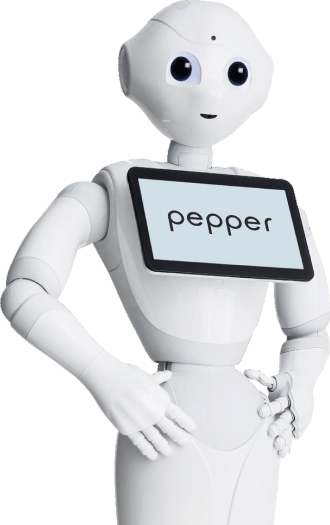
Host robots greet guests, manage waitlists and escort diners to tables. They project an innovative brand image and reduce the workload on front‑of‑house staff. RobotLAB explains that host robots can also entertain guests with interactive displays and games. For a new restaurant trying to stand out in a competitive market, a friendly host robot delivers a memorable first impression.
Spotlight on Servi: A Turnkey Food Delivery Solution
Among the available solutions, Servi stands out as a turnkey option for restaurants. Powered by Bear Robotics’ state‑of‑the‑art technology and distributed by RobotLAB, Servi features multiple tiers of trays, advanced navigation sensors and an intuitive interface. It can carry plates, beverages or bus tubs, and it automatically returns to the kitchen once a delivery is complete. Restaurant staff can easily summon Servi via touch screen, and the robot can operate for hours on a single charge.
Key benefits of Servi include:
- Labor Savings: Servi handles multiple table runs per hour, reducing the need for extra food runners and lowering payroll costs.
- Improved Service: By letting servers stay in the dining room, Servi enables more personalized interactions with customers.
- Safety and Reliability: Servi uses advanced sensors to avoid collisions, navigate tight spaces and stop when a person approaches.
- Flexible Financing: RobotLAB offers lease or purchase options so restaurants can scale robotics investments with minimal capital outlay.
Whether you operate a small cafe or a large restaurant, Servi can adapt to your space and workflows. Its modular design allows you to add shelves or configure tray heights, ensuring safe transport of plates and glasses. For new restaurateurs, Servi provides a low‑risk way to explore automation while immediately improving efficiency.
How to Implement Robotics Successfully
Transitioning to robotics requires careful planning. Here are a few best practices for new restaurant owners:
- Start with a clear goal. Decide whether you need help delivering food, bussing tables or automating kitchen tasks. Prioritize the areas that will create the biggest efficiency gains.
- Train staff. Introduce employees to the robots, explaining how they work and how robots complement human roles. Emphasize that automation frees staff to deliver better hospitality rather than replace them.
- Optimize your layout. Review your floor plan to ensure the robot has clear pathways between the kitchen and dining areas. Servi’s sensors handle complex navigation, but eliminating obstacles improves performance.
- Monitor and refine. Track metrics like table turn time, server tips and customer satisfaction after introducing robots. Use these data points to fine‑tune robot routes and determine whether to add additional units.
- Promote your innovation. Let customers know that your restaurant uses the latest robotics technology. Post about your new delivery robot on social media and train staff to answer questions. A modern, tech‑savvy reputation can attract customers who are curious about dining with robots.
Conclusion and Key Takeaways
Restaurant automation is no longer a futuristic concept—it is a practical solution for today’s operational challenges. New restaurant owners can overcome labor shortages, improve service and enhance consistency by adopting robots for food delivery, bussing, cooking and hosting. RobotLAB’s portfolio of solutions, including the Servi delivery robot, offers verified products and proven ROI.
Investing in automation early allows restaurateurs to scale efficiently as they grow, focusing their energy on creating memorable dining experiences rather than managing repetitive tasks. With user‑friendly robots like Servi, the transition to automation is straightforward. By integrating robotics into your operations now, you can position your restaurant as a leader in innovation and hospitality for years to come.






 Too much to read? Don't have time?

.webp?width=124&height=124&name=image%20(1).webp)
.webp?width=169&height=87&name=image%20(2).webp)