
Which service restaurant automation solutions include the implementation of robot waiters for food delivery?
Nov 13, 2025
Understanding Restaurant Automation and Robot Waiters
The hospitality industry is evolving quickly. As labour shortages continue and diners expect fast, attentive service, restaurants are turning to automation for help. Robots are designed to handle repetitive tasks and free staff to do what they do best – interact with guests. In a busy dining room, every round trip from kitchen to table is a lost opportunity to engage with customers. By delegating repetitive transport tasks to robots, restaurants can improve service quality and reduce burnout while still delighting guests.
The Challenges Facing Restaurants
Before exploring the robotics solutions available, it’s important to consider why restaurants are seeking automation. Many service businesses face extended labor scarcity. High staff turnover and unpredictable demand make it difficult to maintain consistent service. Servers often walk miles per shift carrying dishes, drinks and bus tubs – tasks that add little value to the guest experience and lead to fatigue and injury. When front-of-house employees are over‑worked, guest interactions suffer and restaurants can miss opportunities to upsell or build loyalty.
How Robotics Can Help
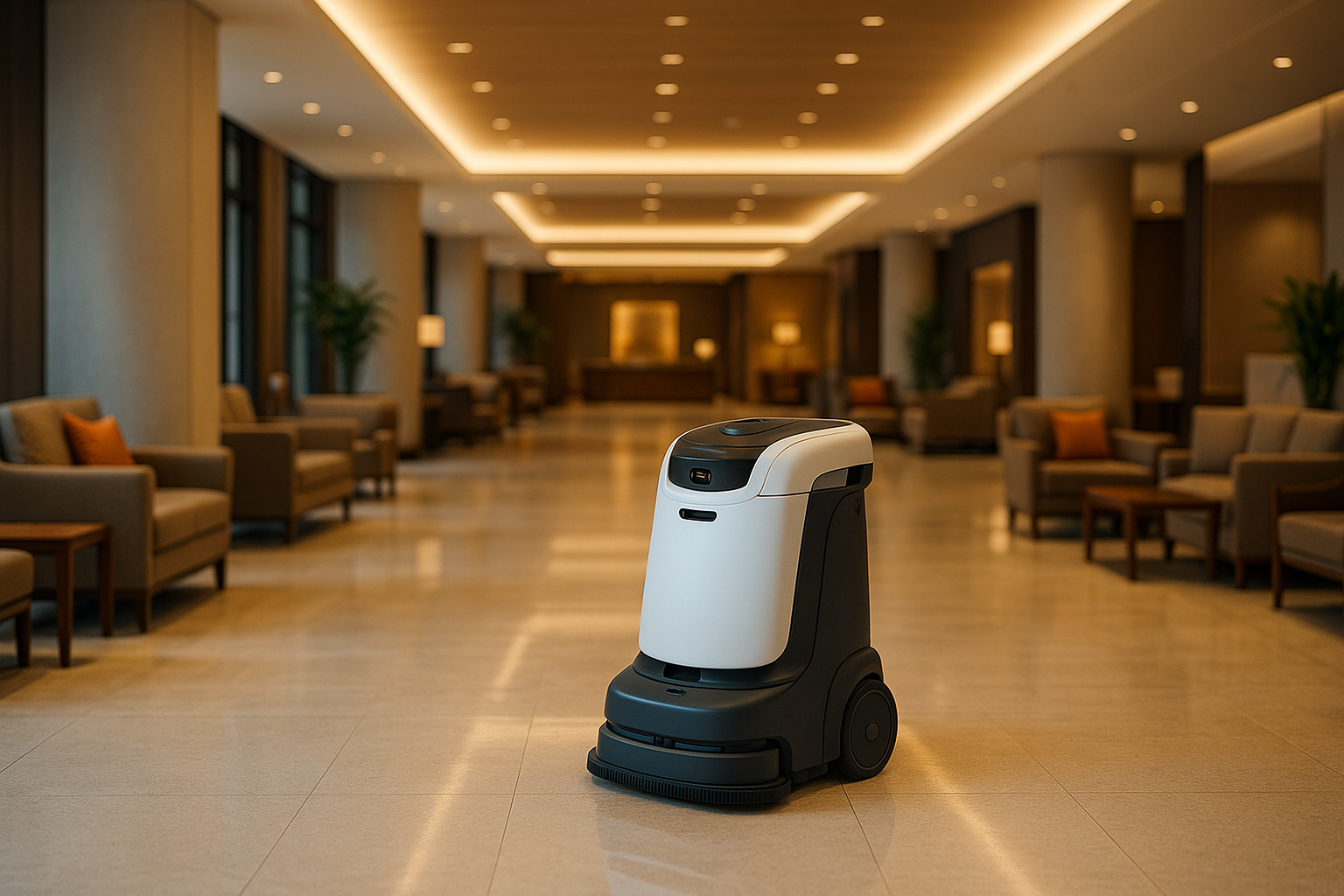
Robots are here to work alongside humans, not replace them. Delivery robots take on the mundane tasks such as running food, bussing tables and guiding guests to their seats so servers can spend more time with patrons.
Food delivery robots can deliver over 400 plates per day and bussing robots can clear 20 tables in one pass.
This level of productivity helps restaurants scale during peak hours without hiring extra staff. Robots are fully autonomous, require zero coding, and can be operational in just a few hours.
Automation also provides financial benefits. Robots like Bear Robotics’ Servi allow staff to cover larger sections, improving return on investment and reducing turnover. By reducing repetitive work, restaurants can offer better scheduling flexibility and reduce burnout. Robots run on batteries for 8–12 hours and come with smart navigation and cloud‑based analytics, so operations managers can monitor performance and optimize workflows. These features help ensure a consistent service experience even when labor markets are tight.
Restaurant Automation Solutions
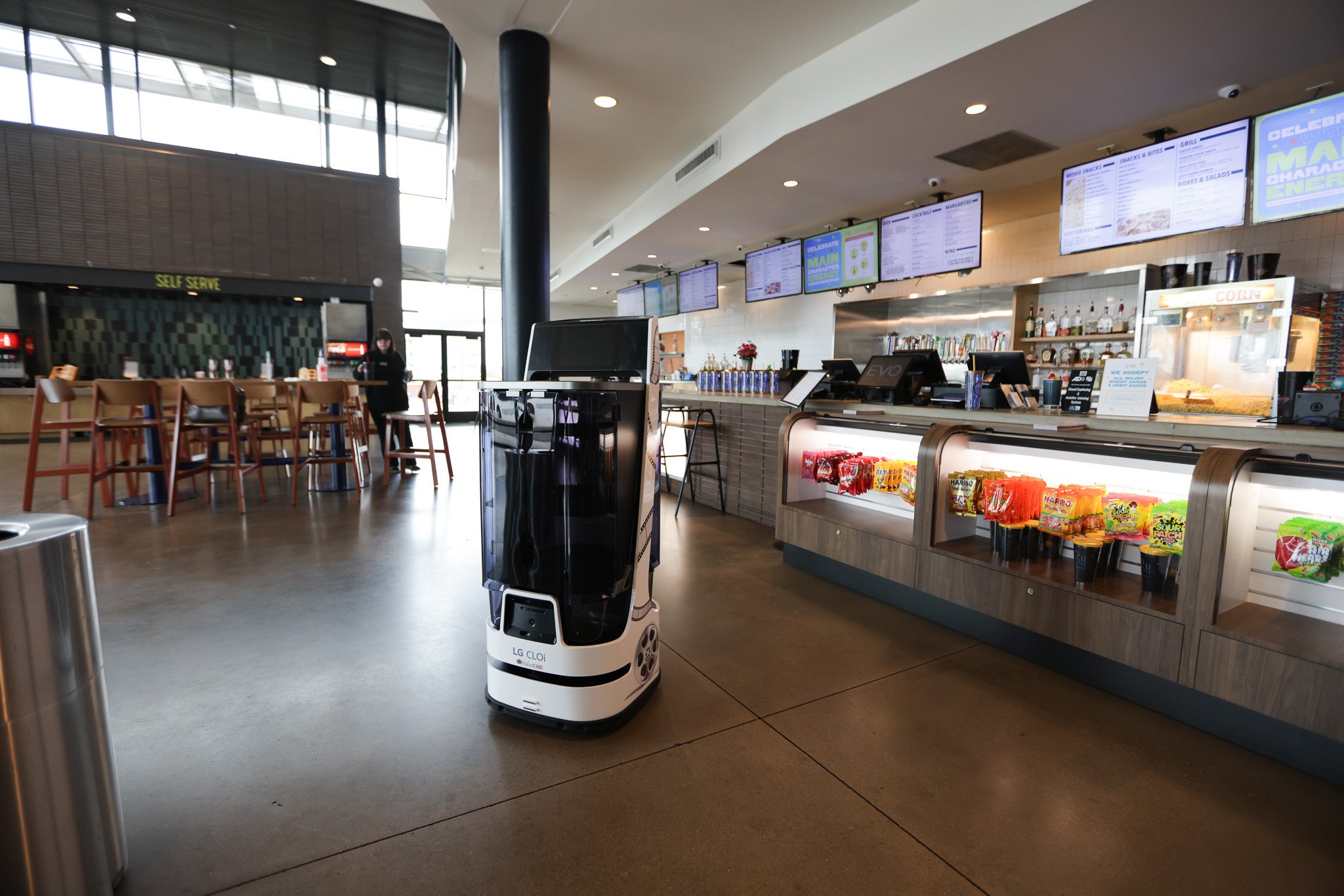
Several types of automation are available for restaurants. Delivery robots carry plates between kitchen and tables; bussing robots collect dirty dishes and return them to the kitchen; hosting robots greet guests and escort them to available seats; and service carts deliver drinks and appetizers during special events. Pudu, Gausium and other manufacturers offer machines for cleaning and concierge tasks, but when it comes to food delivery a few stand out.
-
Food runners: Robots like Bear Robotics’ Servi operate as mobile trays, carrying up to 40 cm plates or a bus tub. They are 100 percent self‑driving, use LiDAR sensors and multi‑robot modes to navigate busy dining rooms and automatically return to their docking stations when tasks are finished. Servi can work as a food runner, busser, host or patrol unit.
-
Bussing and hosting robots: In addition to running food, Servi eliminates the need for servers to carry dirty dishes and leads customers to their tables. This flexibility allows one robot to fill multiple roles throughout a shift.
-
High‑capacity delivery: The Servi Plus robot is a versatile delivery robot that can carry up to 16 dishes and has a custom display that can be tailored to a restaurant’s branding. It offers multiple modes for roaming table‑to‑table or cocktail service and is NSF‑certified for reliability and safety.
-
Cloud analytics: Data captured by delivery robots can help managers analyze routes and refine operations. By analyzing delivery robot data, businesses can optimize routes and scheduling to boost revenue.
Spotlight on Bear Robotics Servi
Bear Robotics’ Servi is one of the most popular robot waiters in the market. Designed in Silicon Valley and engineered by industry experts, Servi features 100 percent autonomous navigation, multi‑robot mode and auto‑return to docking stations. Its smart navigation system avoids obstacles while carrying plates between the kitchen and guests’ tables. For operators, Servi maximises staff coverage and allows servers to focus on customer service. A case study cited by Bear Robotics found that 70 percent of staff reported that Servi is a helpful extra set of hands and 77 percent of guests felt their server spent more time with them.
Servi’s flexibility is another key advantage. It can run food, buss tables, host guests and patrol event spaces. Accessories such as a bus tub and rectangular tray enable restaurants to adjust capacity for special events. Deployment is quick – custom floor mapping and staff training are included – and the robots are supported by secure, cloud‑based analytics to monitor performance.
How to Implement Robot Waiters in Your Restaurant
Integrating robot waiters is easier than many operators expect. Deploying delivery robots in a 5,000 square‑foot space can be completed in under three hours, and the process is as simple as showing a new team member where the kitchen and tables are. Staff only need to load items on the robot and choose the delivery location on the screen – the robot handles the rest autonomously. Robots come with intuitive user interfaces, making training straightforward even for employees who are only comfortable using smartphones or tablets.
Restaurants should start by identifying tasks that consume significant staff time, such as running food or bussing tables. Next, choose the right robot model – a compact version like Servi for tight spaces or Servi Plus for high‑capacity delivery. Work with RobotLAB’s local service teams to map the dining area and integrate the robot into your workflow. Once deployed, gather staff feedback and use the robot’s cloud analytics to fine‑tune routes and schedules.
Key Takeaways
-
Labor shortages and high turnover make automation appealing; robots free staff to focus on guest interactions and reduce burnout.
-
Restaurant robots can deliver hundreds of plates per day, buss tables efficiently, and guide guests to their seats.
-
Bear Robotics’ Servi and Servi Plus offer autonomous navigation, multi‑robot mode, smart analytics and flexible roles, with NSF certification.
-
Deployment is quick and does not require technical expertise – robots can be operational within hours.
-
Analyzing robot performance data helps optimize operations, improving efficiency and boosting revenue.
Automation is no longer a futuristic concept but an accessible solution for today’s restaurants. By implementing robot waiters like Servi, operators can enhance the dining experience, improve staff satisfaction and gain a competitive edge in the rapidly evolving hospitality industry.






 Too much to read? Don't have time?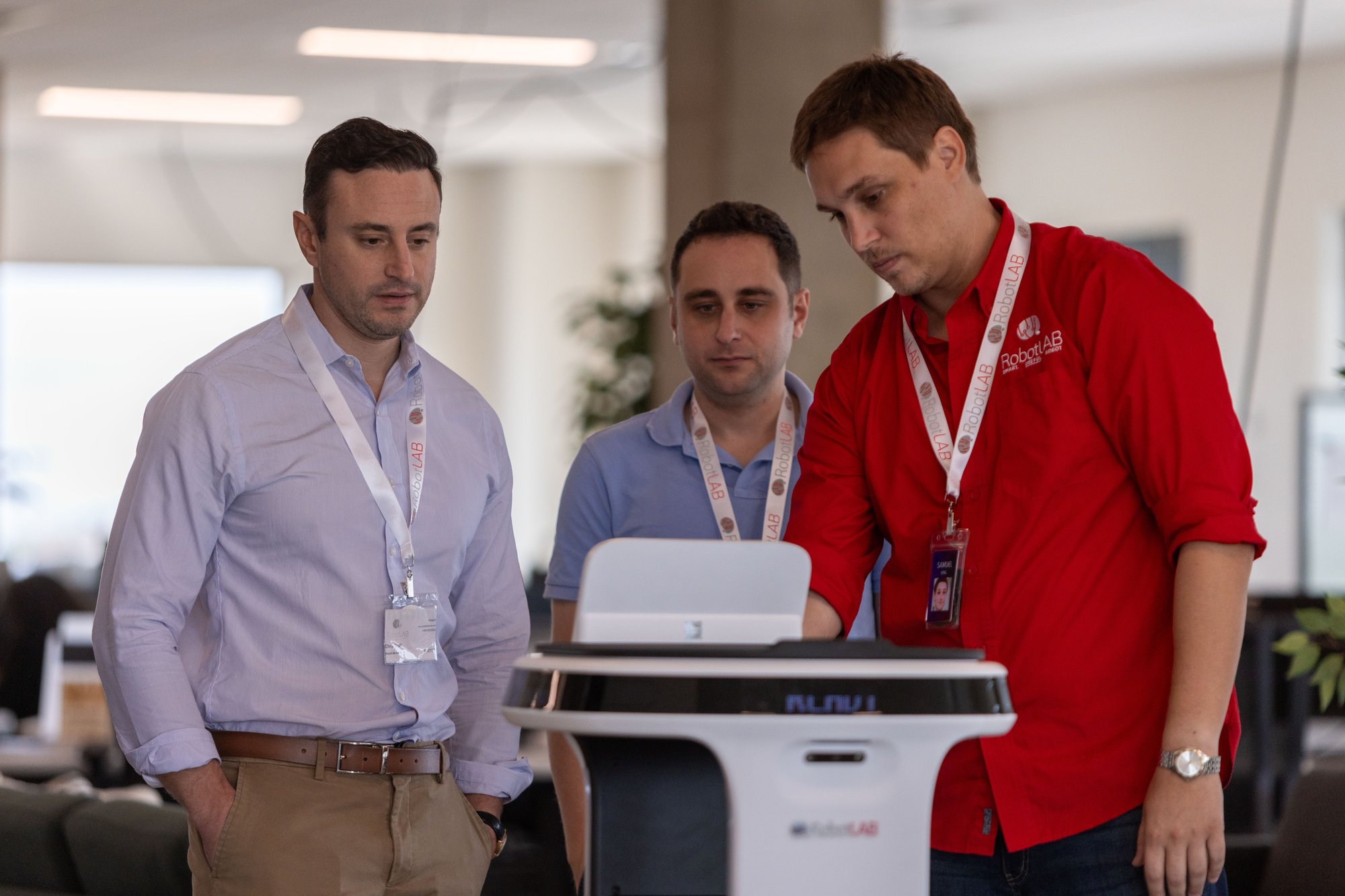

.webp?width=124&height=124&name=image%20(1).webp)
.webp?width=169&height=87&name=image%20(2).webp)