
Cleaning
Hoteliers: Commercial-Grade Robotic Vacuum Cleaners | RobotLAB
Discover how commercial-grade robotic vacuums like Whiz are transforming hotel cleaning by improving consistency, reducing labor strain, and…
How hospitality operators evaluate, deploy, and scale commercial robots.
Tell us your industry and we'll recommend 3-4 robots to shortlist.
We evaluate, certify, and service every robot we sell.
From marketing, sales, demonstrations, and proof-of-concepts through deployment, training, support — and even repair. Local teams, local inventory, same-day service.
By Elad Inbar, RobotLAB founder & CEO — a practical guide to adopting robotics that actually delivers ROI.
About the book →Discover how businesses cut cleaning costs 94% with autonomous robots. RobotLAB offers industry-specific solutions for hotels, restaurants, healthcare & more with RobotLAB.
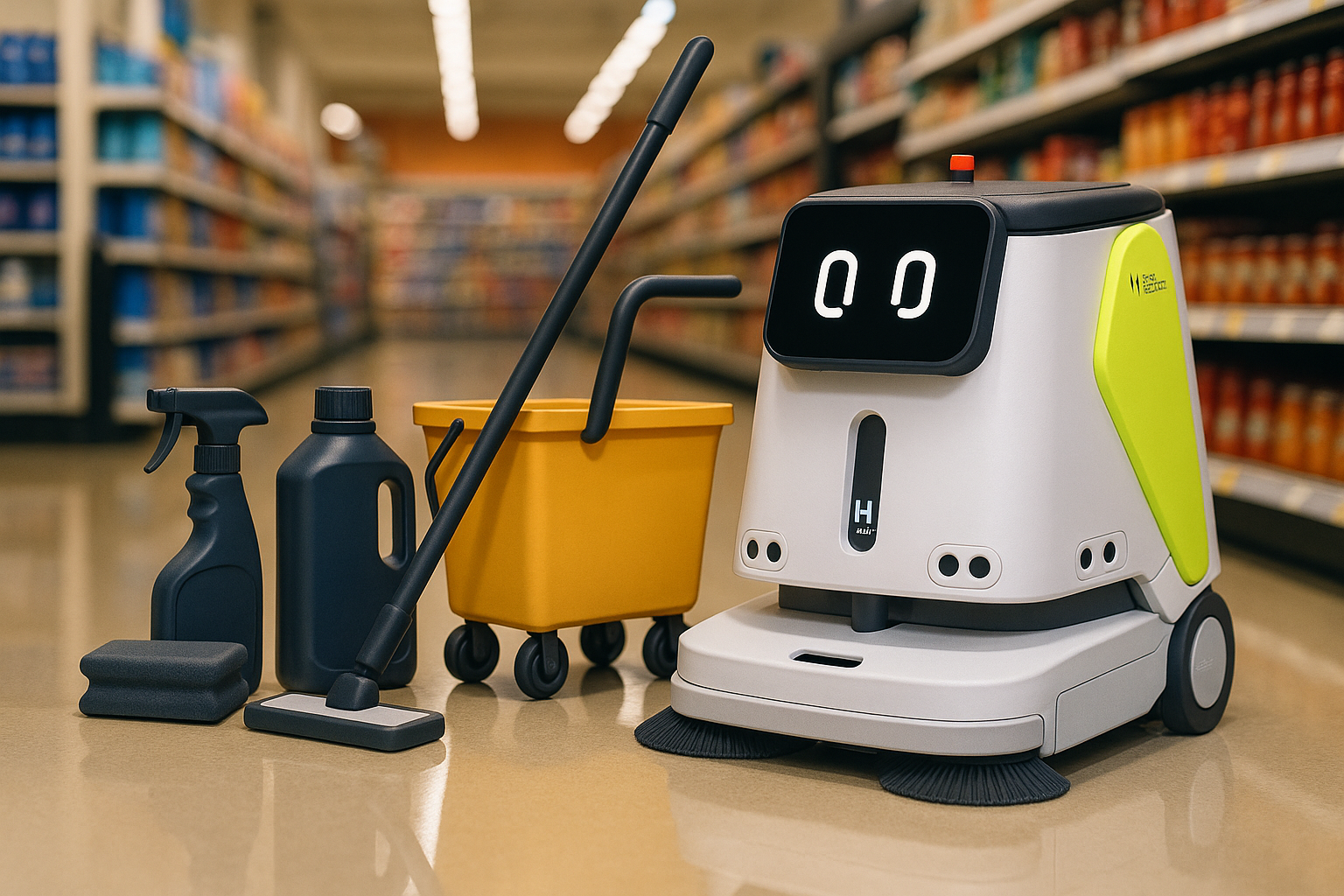
As we move into 2026, businesses across every industry are discovering that autonomous cleaning robots are a strategic necessity for staying competitive. In this comprehensive guide, you’ll discover how cleaning robots deliver up to 94% cost reduction on repetitive floor-cleaning tasks, explore industry-specific applications from hotels to healthcare, and learn why RobotLAB’s autonomous solutions are helping businesses amplify their staff, reduce operational costs, and maintain pristine environments 24/7.
Our reality is, labor shortages have become a new normal. Rising wages, high turnover rates, and increasing cleanliness expectations have created a perfect storm for facility managers. Traditional cleaning methods simply can’t keep pace with the demands of modern business operations. That’s where autonomous cleaning robots step in, not to replace your team, but to amplify their capabilities and free them to focus on higher-value work.
Manual cleaning labor: $7.56 per hour (wages + burden + benefits)
Robot operating cost: $0.41 per hour (electricity + consumables + amortized equipment + maintenance)
This represents a potential cost reduction of up to 94% on the repetitive floor-cleaning tasks that robots handle. But here’s what matters most: this isn’t about cutting headcount—it’s about automating the repetitive, not the relational. Your staff can finally focus on guest-facing service, specialized cleaning tasks, and the human touches that truly differentiate your business.
Cleaning robots deliver benefits that extend far beyond cost savings:
Consistent cleaning schedules: Robots follow programmed routines with precision, maintaining high standards around the clock.
No downtime or sick days: Autonomous cleaners work continuously without breaks, ensuring uninterrupted service.
Predictable cost structure: Daily pricing or monthly subscription models make budgeting simple.
Reduced turnover impact: When staff shortages hit, your cleaning operations don’t suffer.
Staff redeployment: Housekeepers and janitors can focus on the skilled, guest-central parts of their jobs.
Sustainability benefits: Robots use significantly less water and energy compared to traditional methods, supporting your ESG goals.
Data-driven optimization: Cloud dashboards provide reports on coverage, run time, and cleaning frequency for informed decision-making.
Modern cleaning robots combine artificial intelligence, advanced sensors, and intelligent mapping to navigate spaces autonomously. Here’s what happens during a typical deployment:
The best part? Deployment is rapid. With RobotLAB, businesses can have robots mapping and operating within hours, not weeks.
Hotels face unique cleaning challenges: 24-hour operations, diverse flooring types from marble lobbies to carpeted corridors, and guest expectations for pristine environments at all hours. Cleaning robots are transforming hotel operations by:
Overnight lobby maintenance: Robots autonomously clean expansive lobbies, corridors, and public areas while guests sleep, ensuring pristine conditions each morning.
Predictable cleanliness: Unlike manual cleaning that varies by staff energy levels, robots deliver consistent results every single shift.
Staff focus on rooms: Housekeeping teams can dedicate more time to detailed room cleaning and turnover—the high-value tasks that directly impact guest satisfaction.
Compliance documentation: Automated cleaning reports help hotels demonstrate hygiene compliance during health inspections.
Cost savings example: Hotels typically see 1–3 month ROI and eliminate hundreds of hours of manual cleaning per month. One Director of Housekeeping at Denver Marriott noted, “These robots are so efficient, they take you less than 5 minutes to get started.”
Restaurants experience constant foot traffic and require impeccable cleanliness to maintain health standards and customer confidence. Here’s how cleaning robots support restaurant operations:
After-hours deep cleaning: Robots scrub kitchen floors, dining areas, and entryways when the restaurant is closed, tackling grease and food debris.
During-service maintenance: Quiet autonomous vacuums can operate discreetly during low-traffic periods, keeping floors free of debris without disrupting guests.
Multi-surface capability: Advanced sensors detect transitions from tile to carpet to concrete, adjusting suction and speed automatically.
Kitchen safety: By removing grease buildup and reducing slip hazards, robots create a safer environment for kitchen staff.
Health code compliance: Regular automated cleaning helps maintain consistent health inspection scores.
Office buildings require consistent cleaning across large floor plans, often with limited after-hours access. Cleaning robots solve several key challenges:
Cubicle and hallway cleaning: Robots navigate around desks and through corridors autonomously, covering thousands of square feet per shift.
Flexible scheduling: Program robots to clean specific zones at optimal times—early morning, late evening, or between tenant shifts.
Tenant satisfaction: Consistently clean common areas improve tenant retention and building reputation.
Labor allocation: Janitorial staff can focus on restrooms, break rooms, and specialized cleaning tasks that require human attention.
Cost predictability: Building managers can budget cleaning costs with precision, knowing robots operate at $0.41 per hour compared to $7.56 for manual labor.
Healthcare and assisted living facilities have the highest cleanliness standards in any industry. Cleaning robots provide critical support:
Infection control: Regular autonomous cleaning reduces pathogens in hallways, waiting areas, and common spaces.
Quiet operation: Robots work silently, respecting patient rest and recovery needs.
Frequent cleaning cycles: Unlike manual cleaning limited by staff availability, robots can clean high-traffic areas multiple times per day.
Staff safety: Reducing physical strain on janitorial staff improves retention and prevents injuries from repetitive tasks.
Regulatory compliance: Detailed cleaning logs automatically generated by robots support Joint Commission and state health department requirements.
Large industrial spaces require specialized cleaning solutions. Robots designed for commercial and industrial use deliver:
High-capacity cleaning: Industrial scrubbers can clean 14,000+ square feet per hour, covering massive warehouse floors efficiently.
Dust and debris management: Autonomous vacuums with HEPA filtration improve air quality in production environments.
Safety compliance: Regular floor cleaning reduces slip-and-fall incidents, a major source of workers’ compensation claims.
24/7 operations support: Robots can clean during shift changes or operate continuously in 24-hour facilities.
Low maintenance: Commercial-grade robots are built for durability and require minimal supervision.
Retail stores need clean floors throughout operating hours without disrupting the shopping experience:
Discreet cleaning: Compact robots navigate around shoppers and displays, maintaining cleanliness during business hours.
Spill response: Some robots can be summoned to clean up spills immediately, preventing slip hazards.
Brand image: Clean floors reflect positively on brand perception and customer comfort.
Peak season support: During busy shopping seasons, robots provide consistent cleaning without requiring seasonal hires.
Schools, universities, and training facilities benefit from automated cleaning:
Large coverage areas: Campus hallways, cafeterias, and common areas require extensive cleaning that robots handle efficiently.
After-hours operation: Robots clean classrooms and hallways overnight when students aren’t present.
Budget optimization: Educational institutions with tight budgets achieve significant savings with robotic cleaning.
Teaching opportunities: Some schools use cleaning robots as hands-on examples of robotics and AI technology.
Businesses investing in cleaning robots typically experience:
1–3 month payback period depending on facility size and robot utilization
Hundreds of hours eliminated per month in manual cleaning time
Up to 94% cost reduction on repetitive floor-cleaning tasks (from $7.56/hr to $0.41/hr)
Improved service scores as staff redeploys to guest-facing activities
Reduced turnover costs as physically demanding cleaning work decreases
One week of data from a hotel using Gausium Phantas robots showed impressive results: working an average of 2 hours per day, the robot cleaned approximately 7,000 square feet daily during low-traffic hours—with zero supervision required.
RobotLAB partners with industry-leading manufacturers to provide commercial-grade cleaning solutions:
All RobotLAB cleaning robots include comprehensive support: on-site installation, staff training, preventive maintenance, and local service centers nationwide.
RobotLAB isn’t just a robot vendor—we’re your local robotics partner. Here’s what sets us apart:
Nationwide service network: Sales, service, and repair centers across the country and internationally
Full-service deployment: On-site installation, mapping, and training included
Ongoing support: Account management, preventive maintenance, and technical support
Financing options: Affordable monthly payments to preserve cash flow
Custom integration: We work with your existing facility management systems
Training resources: Detailed SOPs, online learning systems, and in-person training
Performance guarantees: We ensure robots deliver the expected ROI
Ask yourself these questions:
If you answered “yes” to any of these questions, cleaning robots can help.
Dramatic cost savings: Autonomous cleaning costs as little as $0.41 per hour compared to over $7.00 per hour for manual labor—up to 94% cost reduction.
Supporting your staff—not replacing them: Robots handle predictable tasks so your team can focus on guest-facing service and specialized work.
Rapid ROI: Most businesses see 1–3 month payback periods and hundreds of hours saved monthly.
Industry flexibility: From hotels to healthcare, restaurants to retail, cleaning robots adapt to virtually any environment.
Sustainability benefits: Significant reductions in water and energy usage support ESG goals.
Data-driven management: Real-time performance dashboards optimize cleaning schedules and demonstrate compliance.
Automation fills gaps: Cleaning robots extend your team’s coverage without adding labor hours, addressing ongoing shortages.
The businesses that thrive in 2026 won’t be the ones with the most staff—they’ll be the ones using smart automation to amplify their teams and deliver consistent, predictable results. Cleaning robots represent one of the fastest ROI investments in facility management, with measurable benefits appearing within weeks of deployment.
RobotLAB has helped hundreds of businesses across every industry reduce costs, improve cleanliness, and free their staff to focus on what matters most. Whether you manage a single location or a nationwide portfolio, we have the expertise, technology, and support infrastructure to make your automation journey successful.
Contact RobotLAB to Get Started:
Contact RobotLAB today and discover which cleaning robot solution is right for your business. Our team will analyze your facility, calculate your potential ROI, and create a customized deployment plan.
Discover how commercial-grade robotic vacuums like Whiz are transforming hotel cleaning by improving consistency, reducing labor strain, and…
Discover practical tips to maximize robotic vacuum performance in hospitality, from mapping and maintenance to battery care, featuring…
Discover how robotic vacuum solutions elevate guest-room cleanliness in hotels and see why the LG Vortex Vacuum Robot…
Lidia is an AI assistant. This conversation is stored and shared with the RobotLAB sales and support teams. Privacy policy
Chatting as · Not you?
You choose which categories of cookies are stored on your device. Strictly-necessary cookies are required for the site to function and cannot be disabled. Read more in our Privacy Policy.
Session, security, and the consent record itself. Required for the site to operate.
First-party tracking (Mautic, on t.robotlab.com) so we understand which pages and products visitors engage with and improve the site over time.
Advertising pixels (Google Ads, Meta Pixel) used to measure ad performance and show relevant ads on partner sites. Turning this off opts you out of CCPA "sale" of personal information.