
Automation is the Secret to Humanizing the Modern Workplace | RobotLAB Blog
Feb 11, 2026

Industry Leaders Discovered Enhanced Human Productivity in the Modern Workforce via Robotics & AI Automation
The Post-Pandemic Labor Paradox
The labor crisis, currently strangling the global economy, requires permanent realignment and solutions. Elad Inbar, CEO of RobotLAB sat down with Nick Neonakis, CEO of the Franchise Consulting Company to explore how business leaders can keep up with their daily operational needs by implementing robotics and AI automation. The time to adapt is here, no longer are the days where we thought this was only a temporary glitch. We are witnessing a perfect storm:
1. Soaring consumer demand has collided head-on with a fundamental psychological shift: the entry-level worker has evolved.
2. Post-pandemic: the workforce is no longer willing to sacrifice their time for repetitive, manual tasks they perceive as beneath their potential.
To survive this era, business operators can’t just wait for the market to "return to normal." They must fully utilize technology to bridge the gap. Elad and Nick discuss how robotics is not the end of the human worker, but the beginning of a more profitable, and paradoxically more human, era of business.
Start Addressing the Controllable Variables
For the modern high-volume restaurant operator, the traditional paths to profitability are being walled off. Rent is fixed. Energy prices are non-negotiable. Interest rates have spiked, making capital more expensive than it has been in decades. Even the cost of raw ingredients is largely dictated by global supply chains beyond any single owner's control.
This leaves the savvy strategist with only one primary battlefield: the "unit-level" costs of labor and food waste. Robotics has moved right into the center of this field because it addresses the only controllable variables left. As Neonakis puts it:
"It's the perfect storm of technology and AI as it's coming into robotics against a backdrop of huge demand and low supply of entry-level positions."
In this environment, automation is no longer a luxury for the "early adopters"; it is the fundamental requirement for the survival of the franchise model.
From "Replacing" to "Redeploying"
The Death of the Dystopian View
The tired dystopian narrative where robots turn off the lights and hand out pink slips is finally dead. Forward-thinking leaders understand that robotics isn't about replacement; it's about redeployment, about unlocking human potential that's currently being wasted.
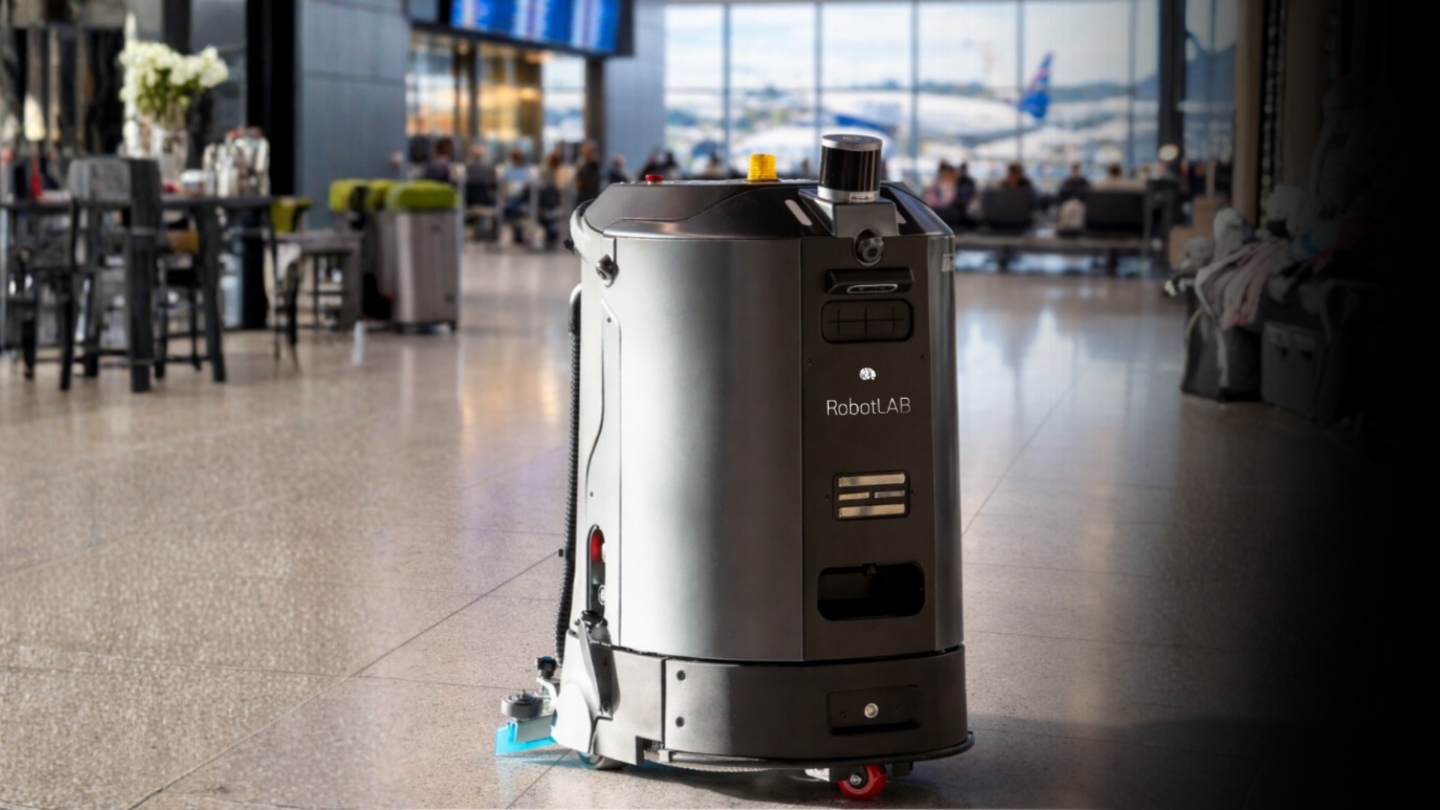
The goal? Liberate your skilled, trusted, and loyal staff from the mission-critical drudgery that machines were born to handle. When a robot scrubs floors or washes dishes, it's not just saving money—it's saving the human smile, the warmth, the irreplaceable connection that turns a transaction into an experience.
By automating the back-of-house grind, operators can redeploy their best people to the front lines. That worker previously hidden in a dish pit? They become your receptionist, your client service specialist—the hospitality expert providing the personal touch that no machine can ever replicate. This is how we humanize the workplace: let machines do the robotic work so people can finally do the human work.
The "Wealth of Nations" Effect
Scaling Beyond the Single Unit
The economic implications ripple far beyond a single storefront, echoing Adam Smith's foundational logic in The Wealth of Nations. Smith argued it's irrational to grow grapes in England when you can trade English wool for Portuguese wine. Efficiency creates wealth.
Neonakis applies this to the modern labor hour: there's no reason to "grow grapes in the wrong climate" by forcing a human to waste their limited lifespan on floor cleaning when a machine can handle it for pennies on the dollar. The delta—that profit margin between expensive human time and cost-effective automated time—becomes the fuel for expansion. By capturing this efficiency, a business owner scales from one location to five, serving more customers, creating higher-level jobs, and increasing the collective wealth of their community. This is the societal multiplier effect: one machine's efficiency becomes an entire neighborhood's prosperity.
A Provocative Look Ahead
We need to reframe the conversation entirely. Robotics isn't a threat—it's a moral imperative. We have a finite number of hours in a human life. Spending them on menial labor that a circuit board can handle better, faster, and more consistently? That's not just inefficient. It's a tragic waste of human potential.
Automation is the bridge to operational stability while simultaneously offering employees a path to more dignified, higher-value roles. The future belongs to leaders who understand that the most mission-critical task today is the preservation and elevation of human time.
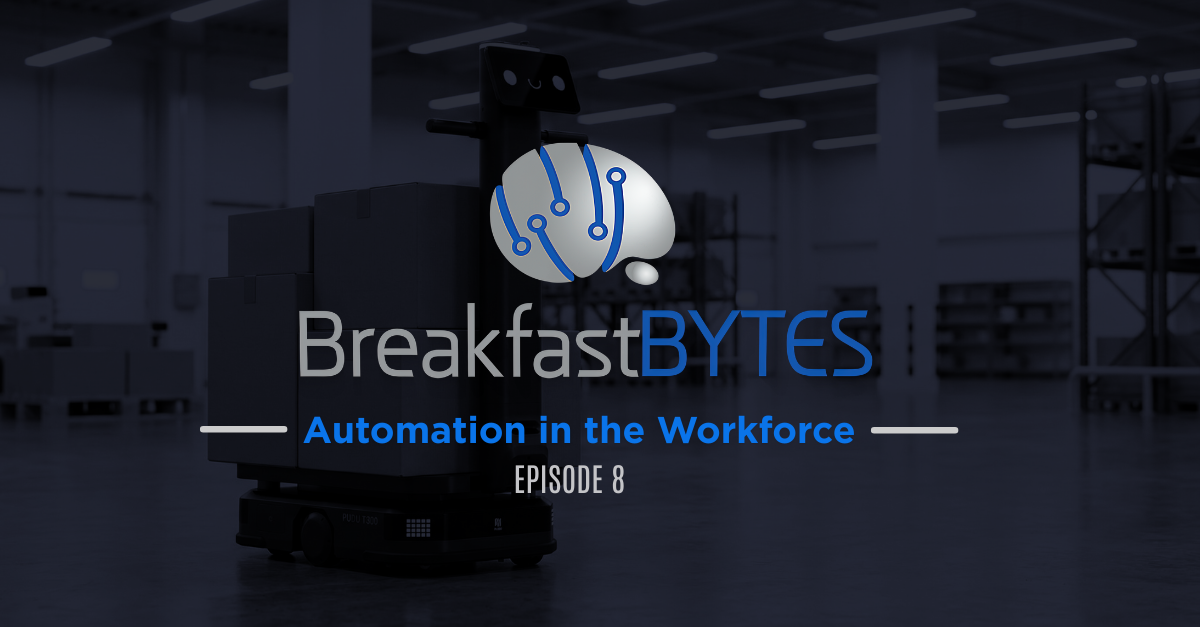
Click below to listen to the full conversation in Episode 8 of Breakfast Bytes. These solutions are here and ready for deployment. Start exploring Robotics & AI solutions or contact RobotLAB to schedule a free assessment!






 Too much to read? Don't have time?

.webp?width=124&height=124&name=image%20(1).webp)
.webp?width=169&height=87&name=image%20(2).webp)