


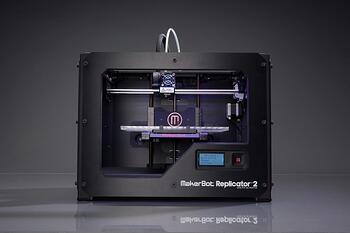

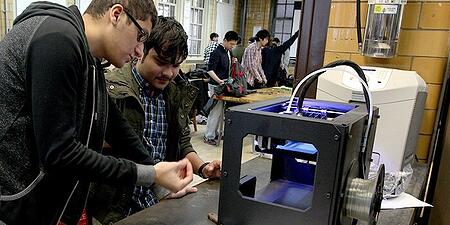
 Educators, do you find yourself sceptical about the claims made for 3D printers as valuable teaching tools? I know I have been and I was educated when manual typewriters were the highest tech you were apt to see in high schools. As a freshman, I thought I wanted to go into engineering, but when I took a course in mechanical drawing and found myself pathologically incapable of drawing a straight line I left the engineering route forever.
  Instead of simply leaving it to guesswork, the Bill and Melinda Gates Foundation decided to come right out and ask the question “What do teachers want?” The foundation asked the question because “in our work with schools over the last few years, we have heard a common theme: Teachers are trying hard to challenge and engage their students, but they don’t have sufficient choices for effective digital instructional tools that truly meet their needs.”
From EdTechDigest:
For so many reasons, the education technology space is moving forward with great momentum and robust spirit. A confluence of factors — the right time, technology and people — has made for a superlative year.
With top talent and quality in so many corners, it wasn’t an easy selection process, but we are shining a spotlight on some of the best and brightest tools, leaders and trendsetters pushing forward today’s education revolution for the benefit of future generations.
There are now thousands of startups, apps and companies working in edtech, more than ever before. The introduction of new methods, ideas, products and frameworks for learning, the willingness of investors to power such ingenuity through, or for startups making a go of it to boldly bootstrap their own efforts — and the real results that come of it — all converge to a single point: in the edtech sector, a spirit of innovation is alive and well. The courage, energy and determination of so many in and around education, their attitude, their underlying intentions to create positive change in one of the most important fields of human endeavor — not only deserves respect and warm approval, but is heartening to witness and partake in.
We are part of a greater movement here, one that takes a tremendous amount of drive, but one with so many gains to be had. We’re very excited to recognize these cool tools, leaders and trendsetters in the education technology space. We intend to continue contributing to the forward motion of this revolution, and we salute those dedicated souls that create the human energy involved in such an undertaking. Well done! Continue!