
We are 20 Years Into the 21st Century, Isn't it About Time to Stop Fooling Around With STEM Education, and Start Teaching Artificial Intelligence?
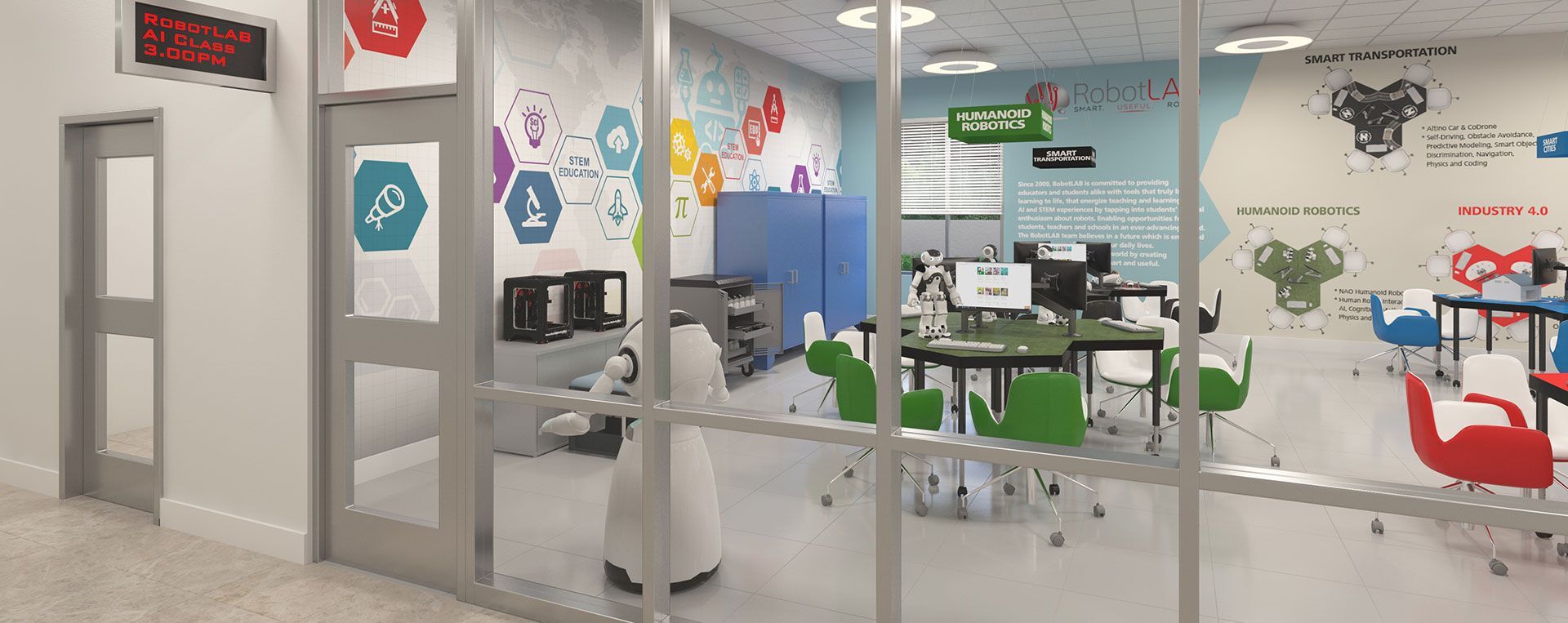
January 22, 2020 – London, UK – RobotLAB Inc., the award-winning educational robotics company, launched the industry-first AI LAB for education. The AI LAB is a turnkey solution built from multiple AI-Stations such as Smart Transportation, Smart Cities, Industry 4.0, Humanoid Robots, Space Exploration, Smart Farming, and other modular learning experiences designed to give students hands-on experience in every day’s Artificial Intelligence applications.
- 0 Comments
- Feb 5, 2020 4:42:57 PM
- Posted by Natalia Galvis
- Topics: Robotics, EdTech, STEM, 21st Century Classroom, Artificial Intelligence, Robots,, STEMchat, Edchat, AI
How to Choose the Right Type of Robot for Your Classroom
About 59,500,000.
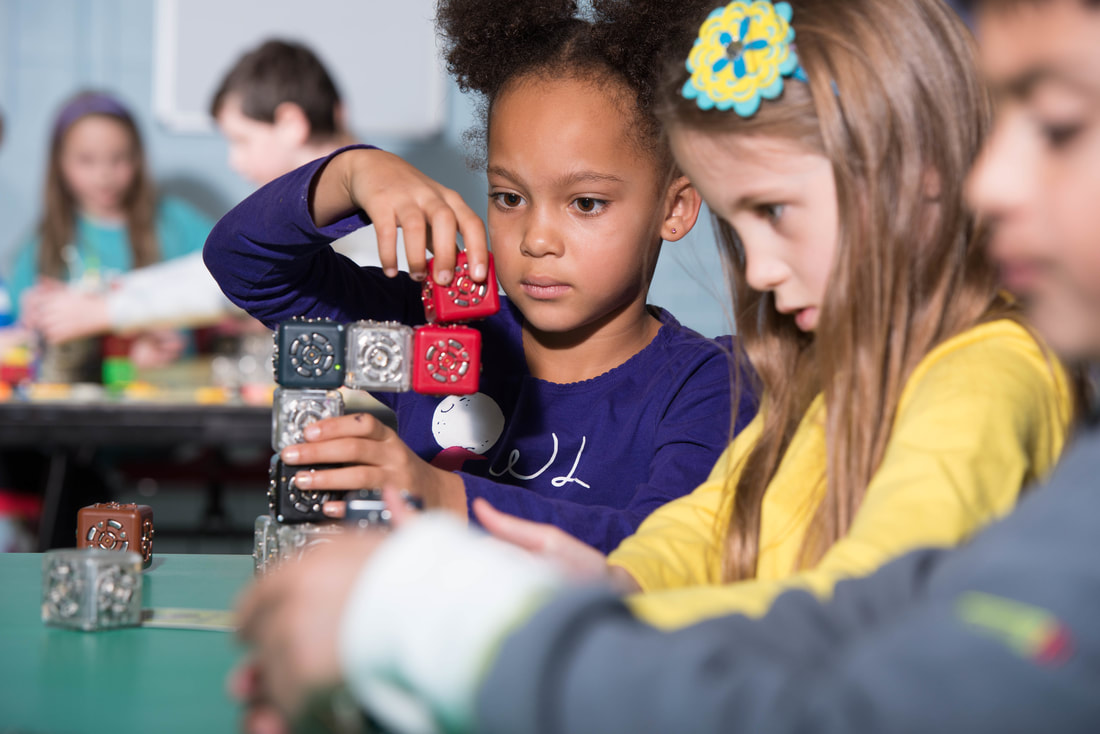
That’s the number of results my latest Google search for ‘educational robots’ turned up. With such an overwhelming number of resources claiming to be ‘perfect’ for teaching coding to kids, attempting to find the right robot to use in your classroom can be a daunting task. How do you determine which robot is best for your students?
Start by thinking about educational robots in terms of categories, rather than as an insanely long list of products. Educational robots can be divided into four main categories of robots.
In this article, we look at the physical design, coding method and educational method of each of these four categories of robots. These details will help you choose the best type of robot for bringing coding into your classroom.
- 0 Comments
- Feb 5, 2020 10:00:00 AM
- Posted by Natalia Galvis
- Topics: Robotics, EdTech, STEM, 21st Century Classroom, Robots,, STEMchat, Edchat
Why STEM Matters in 2020
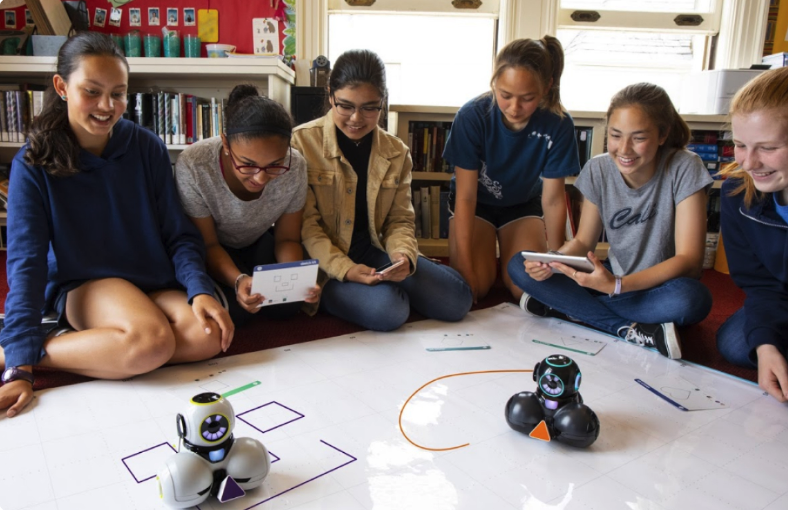
STEM Education, a term initiated by the National Science Foundation, is an educational approach which focuses on one or more of the four disciplines of science, technology, engineering, and math. In an era when technical and scientific skills are increasingly important in the work force, exposing children to STEM learning in the early years is key.
Currently, only 26% of STEM jobs are held by women. It is important to ensure that girls as well as boys are exposed to and encouraged in the area of STEM. It’s never too early to introduce STEM to your child and to consider how to sustain interest in STEM in elementary school.
- 0 Comments
- Feb 4, 2020 10:10:00 AM
- Posted by Natalia Galvis
- Topics: EdTech, STEM, 21st Century Classroom, Learning, STEMchat, Edchat, k12
How EdTech Can Impact on Students’ Wellbeing

In most people’s lives, school is the first environment in which we start feeling pressure. Whether the cause is the expectation to perform well or the struggle to fit in and have one’s first social interactions, school is often a source of stress and fear and can prove detrimental to the students’ mental health and well-being.
Creating a safe, positive place to be that fosters confidence and contentment while nipping the causes of anxiety and low self-esteem in the bud is something that everyone can contribute to: a class where students who struggle socially are not made to feel judged or excluded by their peers, staffed by teachers who realise that low-performing pupils need to be helped, not berated, is much more conducive to a good mental state than a highly competitive class where bullying is rife and students feel that they cannot go to the adults in charge with their problems.
Human behaviour, therefore, remains the greatest factor in student well-being and mental health, and technology alone cannot eliminate all obstacles. However, EdTech can be an excellent support tool for those educators and administrators who care about their students’ quality of life.
- 0 Comments
- Feb 3, 2020 10:00:00 AM
- Posted by Natalia Galvis
- Topics: EdTech, STEM, 21st Century Classroom, Learning, Edchat, k12
Why Your Students Need a Makerspace
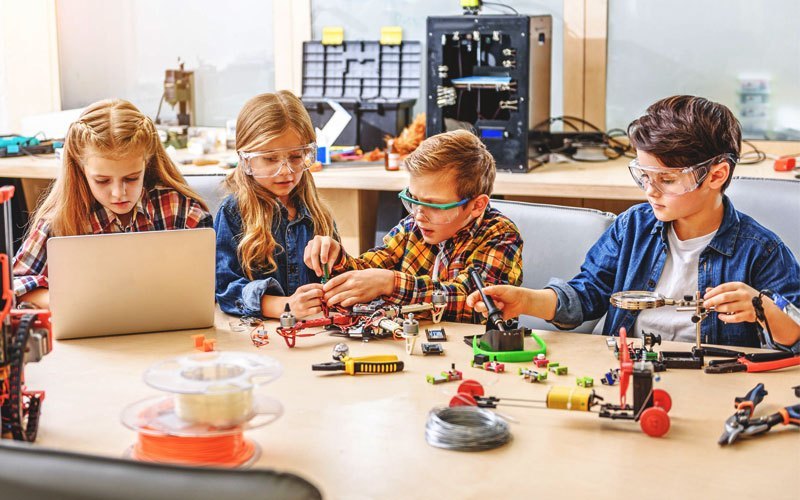
Makerspaces have become a hot topic in education. While not a new concept, makerspaces are gaining traction for the many benefits they provide students as these spaces are integrated into classrooms and schools.
Makerspaces are designed to challenge students to create and learn through hands-on, personalized experiences throughout elementary, middle and high school. Here are a few of the many benefits of makerspaces.
- 0 Comments
- Jan 31, 2020 10:05:00 AM
- Posted by Natalia Galvis
- Topics: EdTech, STEM, Learning, Makerspace, Edchat, k12
Why Math Talk is More Than Numbers
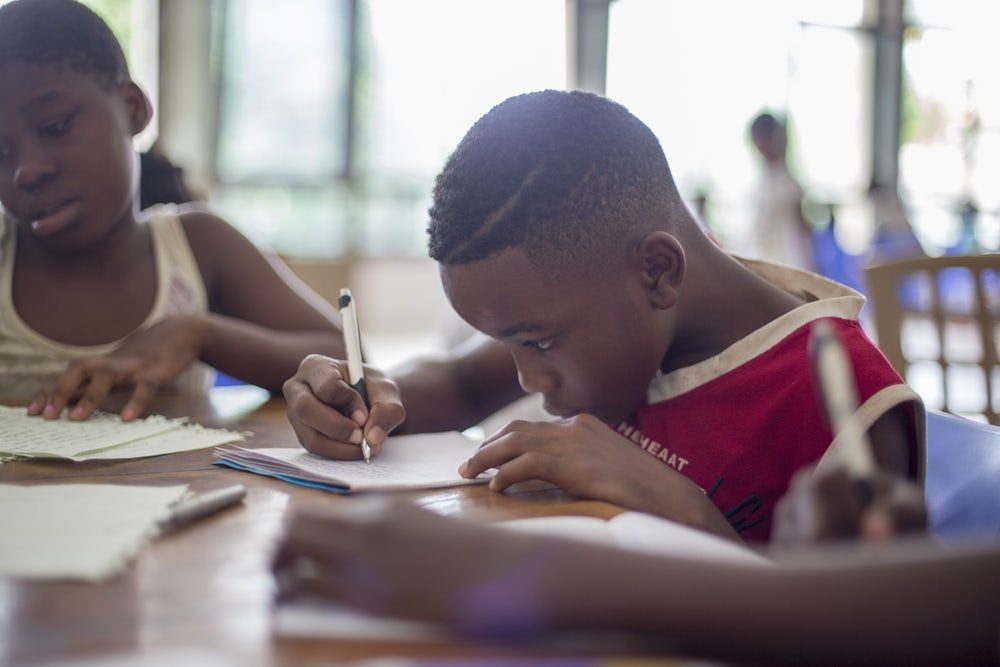
It is well known that children who develop arithmetic skills at a young age are more likely to be successful in science, technology, engineering, and math subjects when they are older. It is also known that parents have a strong influence on their child’s ability to develop these skills.
For instance, children whose parents frequently ask things such as, “You have four pennies… how many would you have if I gave you two more?” are more likely to be successful in math classes and math-related careers later on. But, what is less well known is the fact that spatial reasoning has an impact on these mathematical abilities as well.
- 0 Comments
- Jan 30, 2020 10:15:00 AM
How Edtech Will Change School Culture
For more than 100 years, we’ve relied on the factory model for providing education. Born of the industrial age, when efficient systems mattered most in producing a product, the factory model mimicked assembly-line work.
Schools built large classrooms and filled them with multiple rows of students. Teachers delivered one-size-fits-all instruction, and process was replicated in room after room, hall after hall, and school after school.
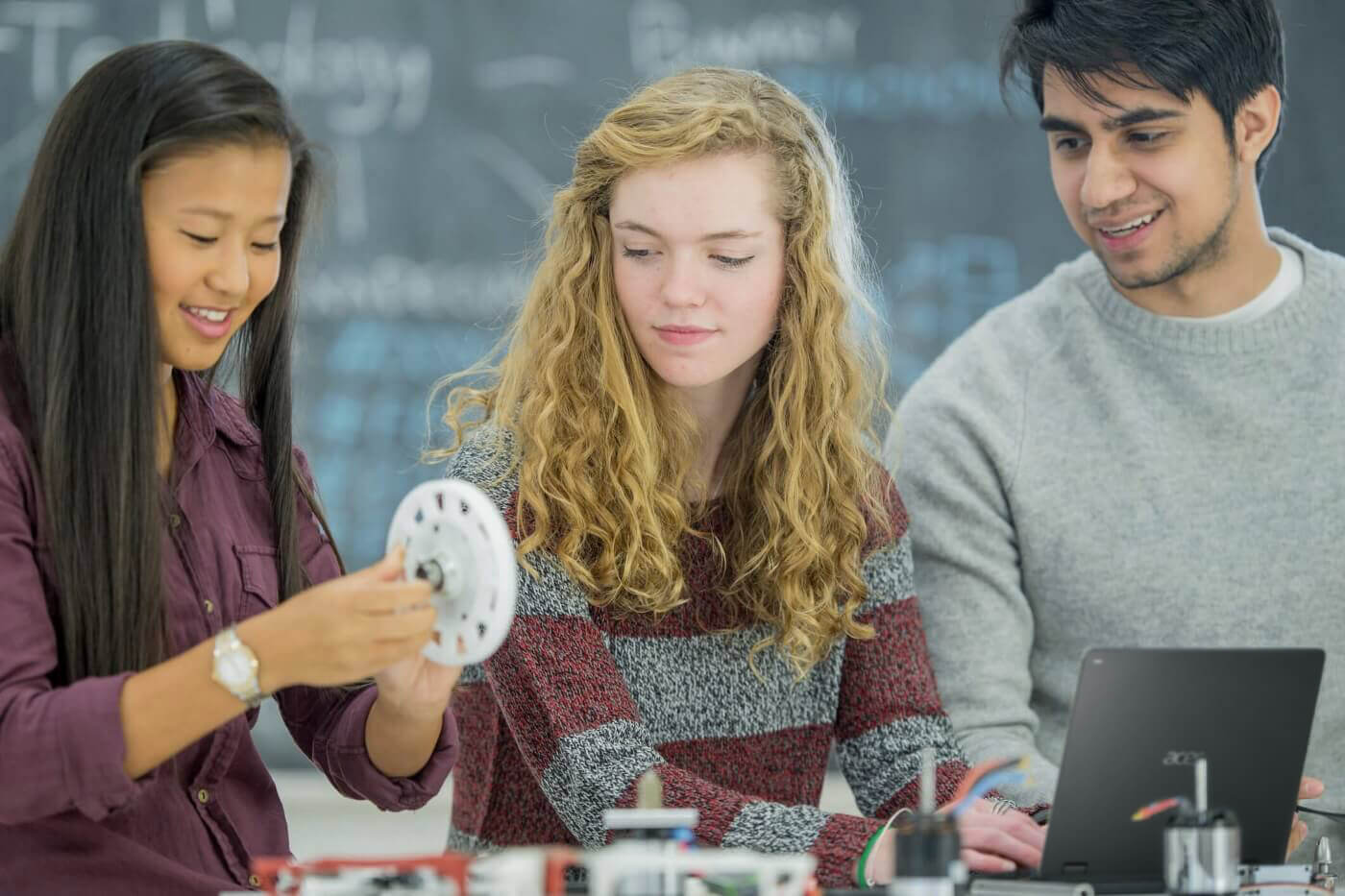
Naming the education system after industrialism was more of a metaphor than anything else, but one thing became apparent. Industrialism had served its purpose. Continuing to model an education system after an era that had passed was hurting instruction, not helping it. In education, we deal with people, not parts.
The birth of computers and the Internet renewed interest in education, and many thought that technology would be the panacea schools needed to reinvent themselves. As it turns out, change was not going to come from having computers or other trendy digital devices. Authentic change in education could only come about from how we used the new tools, not which ones we purchased for school.
- 0 Comments
- Jan 29, 2020 10:00:00 AM
Robotics in Education: Constructing, Coding, and Competing
The learning theory of constructionism asserts that people construct mental models to understand the world around them, and that this can be achieved through activities like building, tinkering, playing with components of machines and other systems, and watching how they interact.
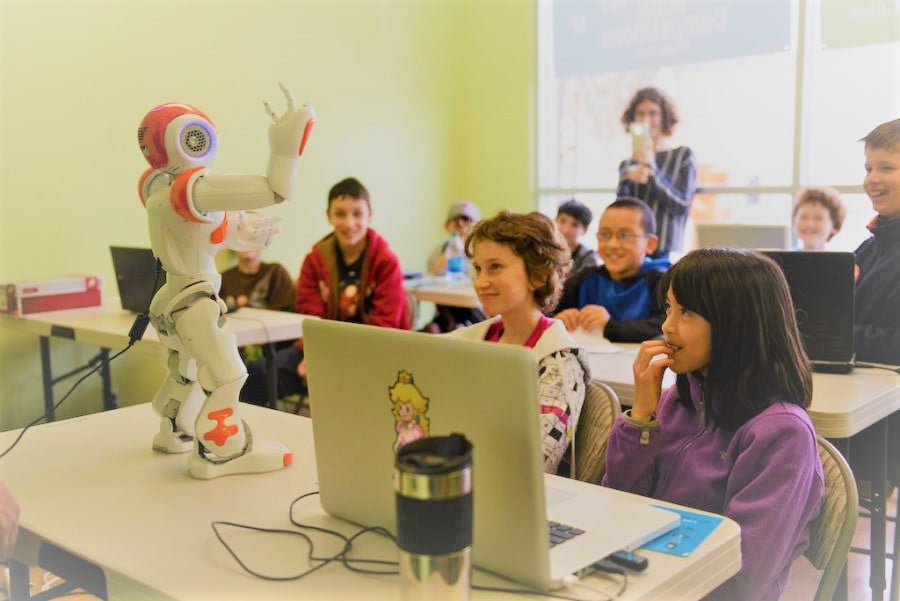
many companies now provide robotic building kits that educators can use to build systems thinking, learn engineering, and practice STEM concepts, following the theories of constructionism. There are options out there for the smallest of budgets, as well as large-scale, worldwide, non-profit organizations that have inspired the formation of robotics clubs, as well as international robotics competitions.
- 0 Comments
- Jan 28, 2020 10:00:00 AM
- Posted by Natalia Galvis
- Topics: Robotics, EdTech, STEM, 21st Century Classroom, Robots,, STEMchat, Edchat
5 Ways To Use Drones In The Classroom
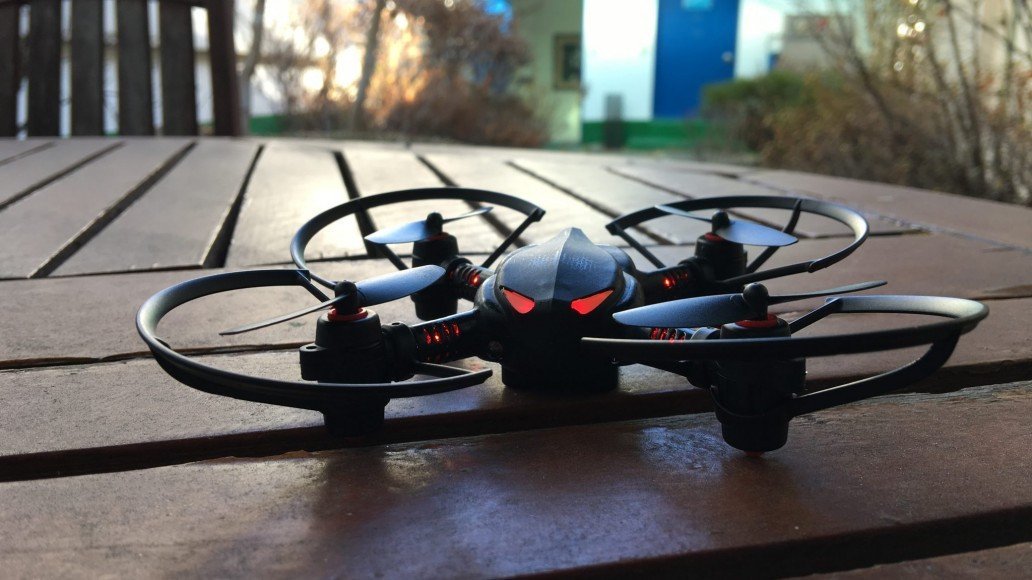
Mobile devices may have enabled the breakthrough of disruptive technology in modern classroom, but new gadgets keep enriching the possibilities to engage students in more interactive classes. Alongside smartphones and tablets, a number of new devices have entered a classroom – from smart boards to VR headsets, a wide range of tech inventions have helped reinvent traditional teaching methods. Among the latest tech trends, the use of drones has become a widespread among photographers, journalists, farmers, police officers and many others. For teachers, using drones in the classroom open up a new set of opportunities to make classes more relevant and engaging for students.
- 0 Comments
- Jan 27, 2020 10:00:00 AM
- Posted by Natalia Galvis
- Topics: EdTech, STEM, 21st Century Classroom, Drones, STEMchat, Edchat
What is The State of Virtual Reality in The Classroom?
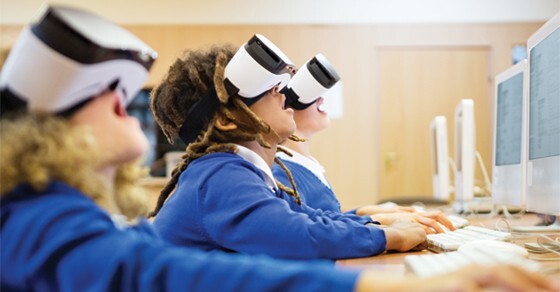
Virtual reality sounds like a far-off futuristic concept. When we hear the words “virtual reality” we may think of people wearing big helmets that transport them to another location from the comfort of their home (or classroom). However, virtual reality is slowly becoming a reality in the classroom. It doesn’t look quite like what you might imagine, but it is improving all the time.
The potential benefits of virtual reality in the classroom are endless. Students from schools all over the world could have access to the same resources and experiences through virtual reality, creating an even playing field like we’ve never seen before in education. Students could use virtual reality to travel back in time and see history come to life, or to take field trips to far-off locations that would cost hundreds to travel to in real life.
- 0 Comments
- Jan 24, 2020 10:00:00 AM
- Posted by Natalia Galvis
- Topics: EdTech, STEM, 21st Century Classroom, VR, Realidad Virtual, Réalité virtuelle, STEMchat, Edchat


© 2026 ROBOTLAB Inc. ALL RIGHTS RESERVED
*If you have questions related to how we use your data, please refer to our privacy policy link