
AgileX AgileX
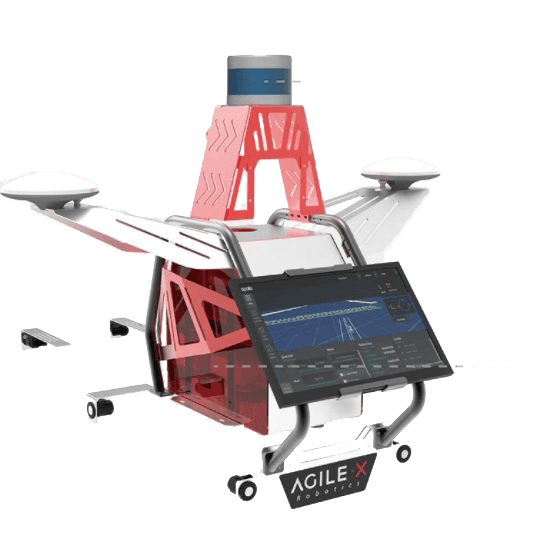
AgileX Autokit – Research
Turn any AgileX rover into a full-stack autonomous-driving research vehicle — pre-integrated LiDAR, compute, and Autoware software, deployed and supported by RobotLAB.
From $80,000 purchase
How hospitality operators evaluate, deploy, and scale commercial robots.
Tell us your industry and we'll recommend 3-4 robots to shortlist.
We evaluate, certify, and service every robot we sell.
From marketing, sales, demonstrations, and proof-of-concepts through deployment, training, support — and even repair. Local teams, local inventory, same-day service.
By Elad Inbar, RobotLAB founder & CEO — a practical guide to adopting robotics that actually delivers ROI.
About the book →Classroom packs, VR/AR kits, coding platforms, building blocks, and humanoid teaching assistants. K-12 through higher ed.
Turn any AgileX rover into a full-stack autonomous-driving research vehicle — pre-integrated LiDAR, compute, and Autoware software, deployed and supported by RobotLAB.
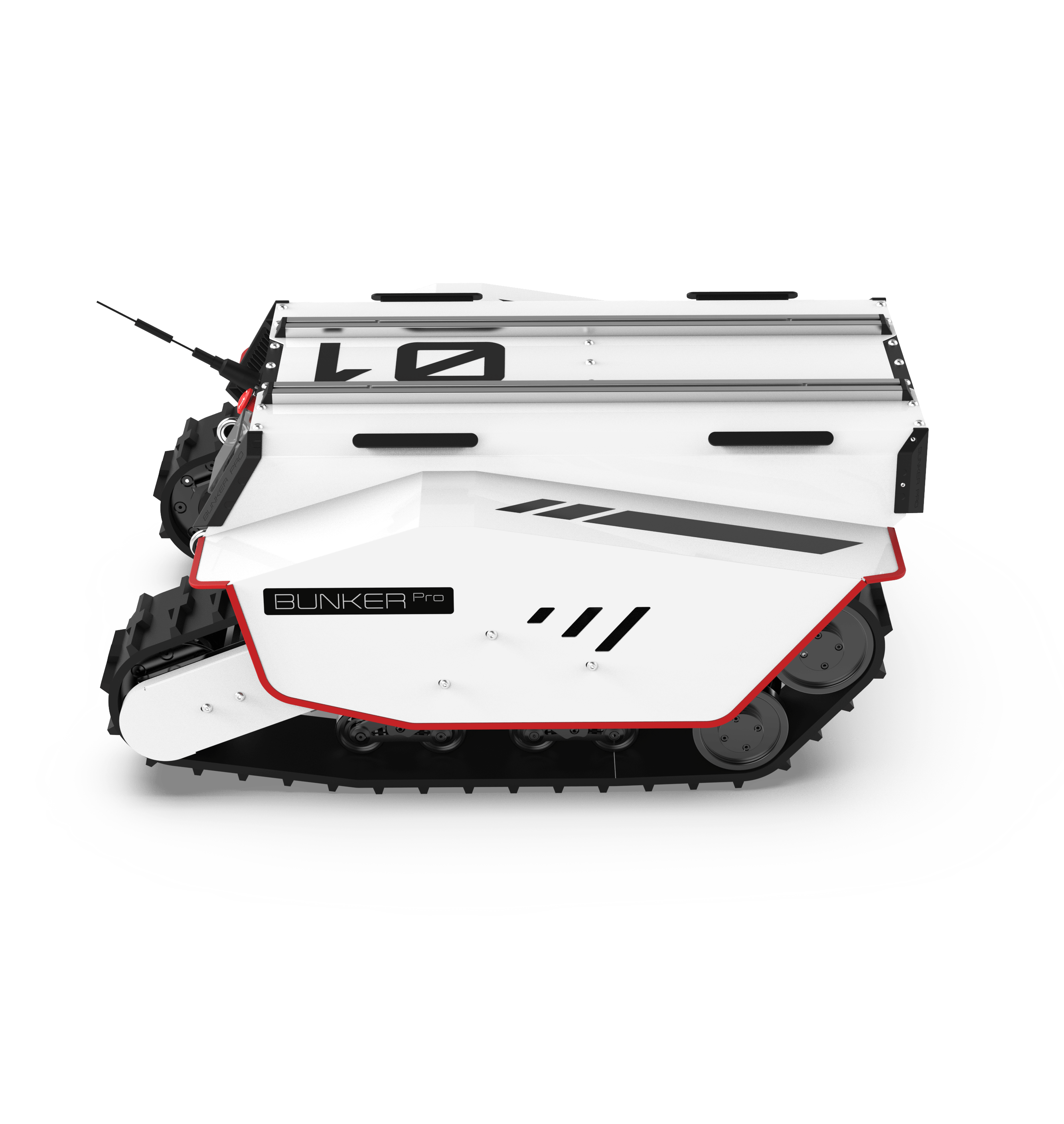
A rugged, tracked all-terrain robot chassis built to climb, crawl, and carry where wheeled platforms stall — sold, deployed, and supported by RobotLAB.
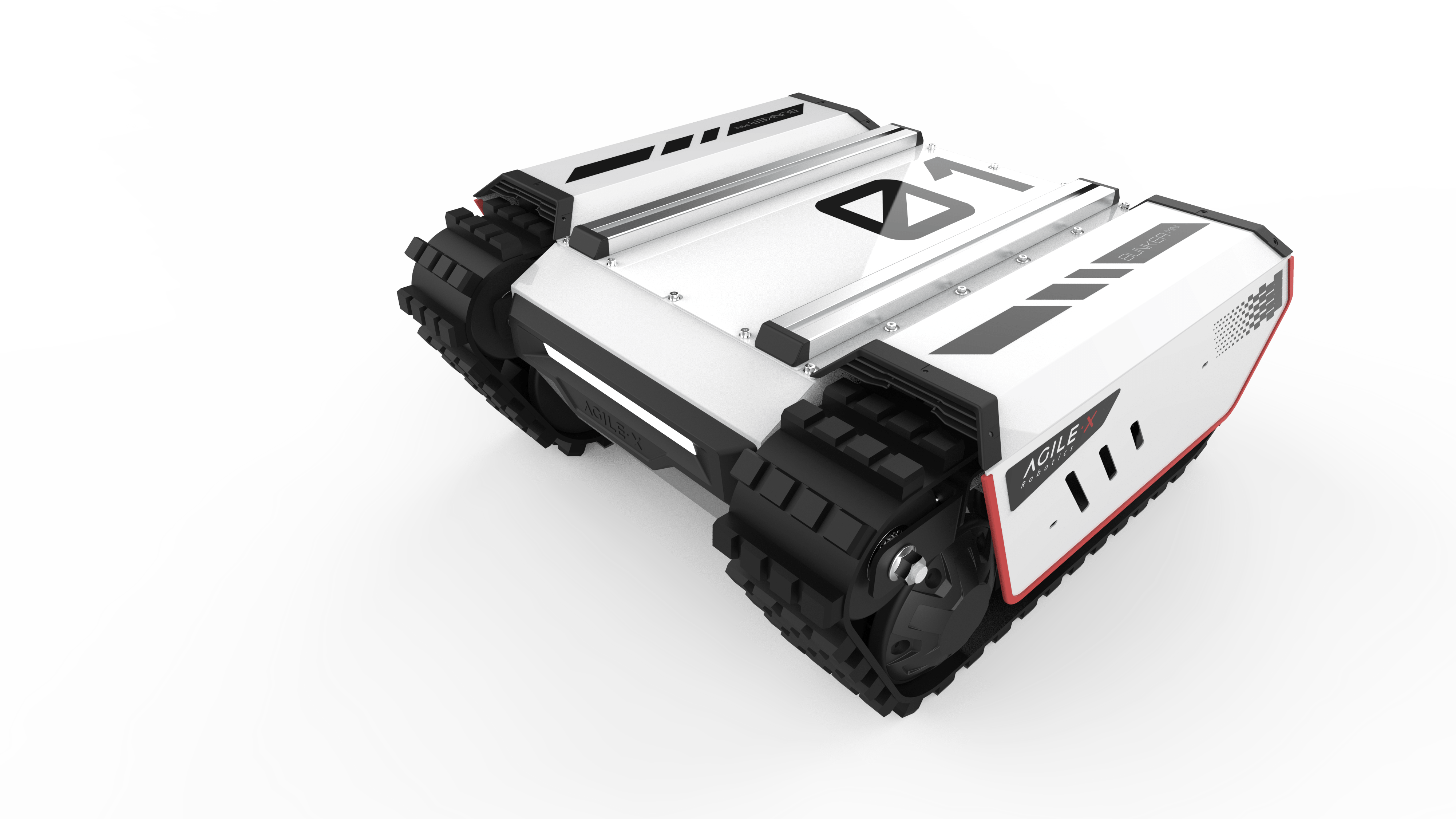
A rugged, ultra-compact tracked robot chassis that crawls where wheeled platforms can't — built for sensor, arm, and autonomy research in tight, off-road, and harsh environments.
.png)
A high-payload, Ackermann-steering UGV platform that lets research teams and integrators prototype real autonomous-driving behavior on a car-like chassis.
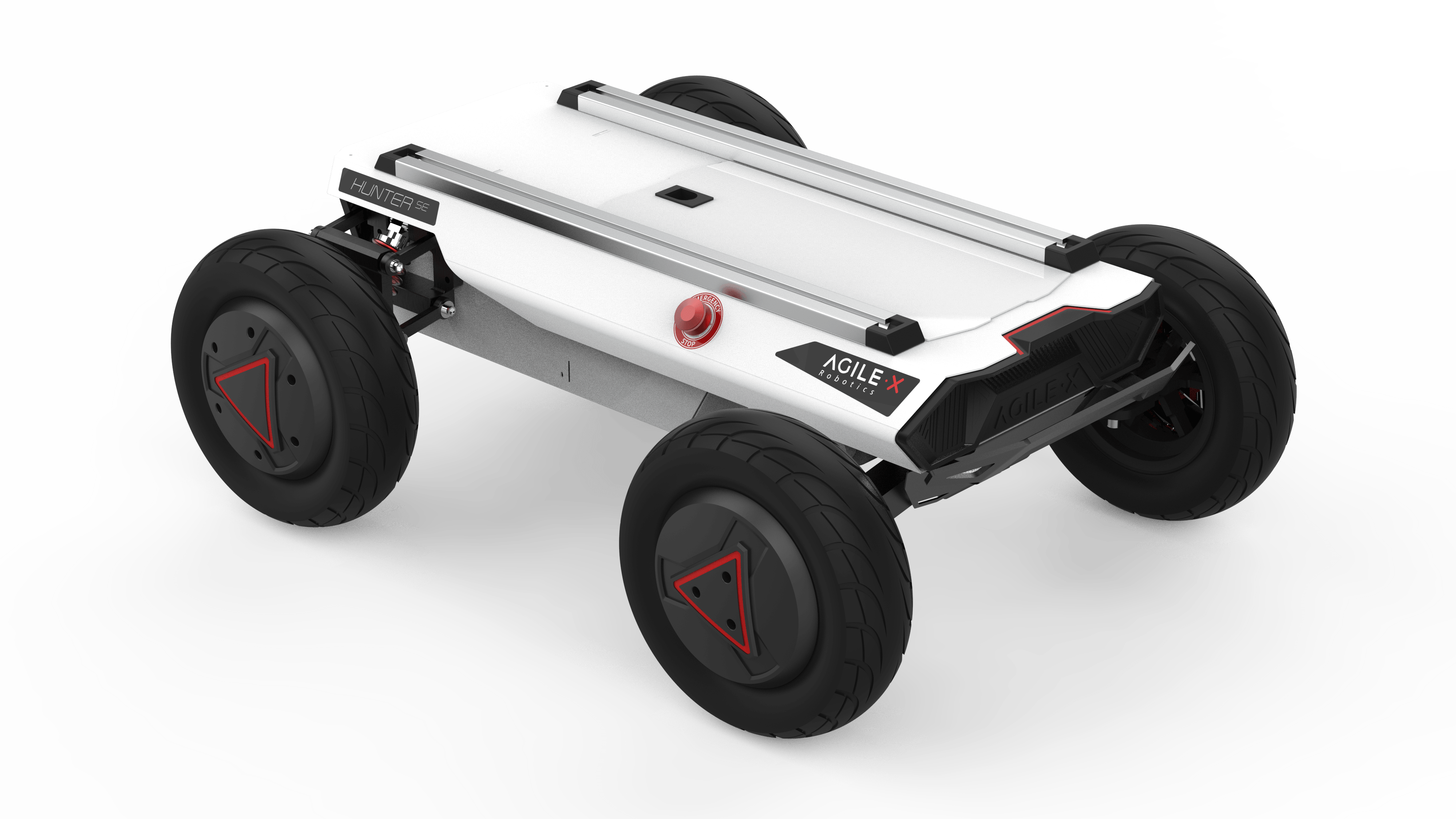
A compact Ackermann-steering autonomous UGV chassis that brings car-like steering dynamics and 4.8 m/s speed to robotics research labs.
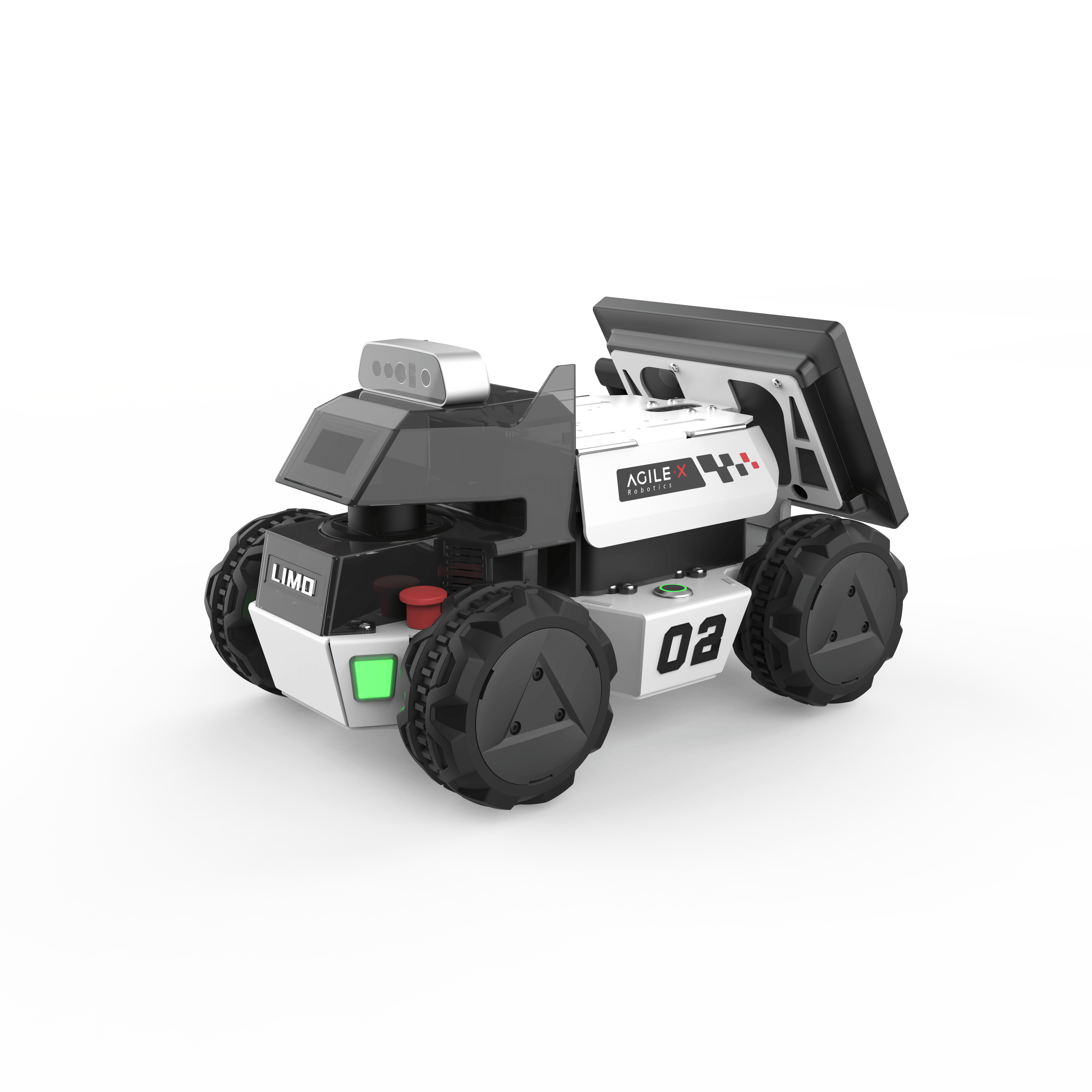
A desktop-sized ROS 2 research rover with four switchable steering modes — the fastest path from classroom theory to real autonomous-navigation projects.
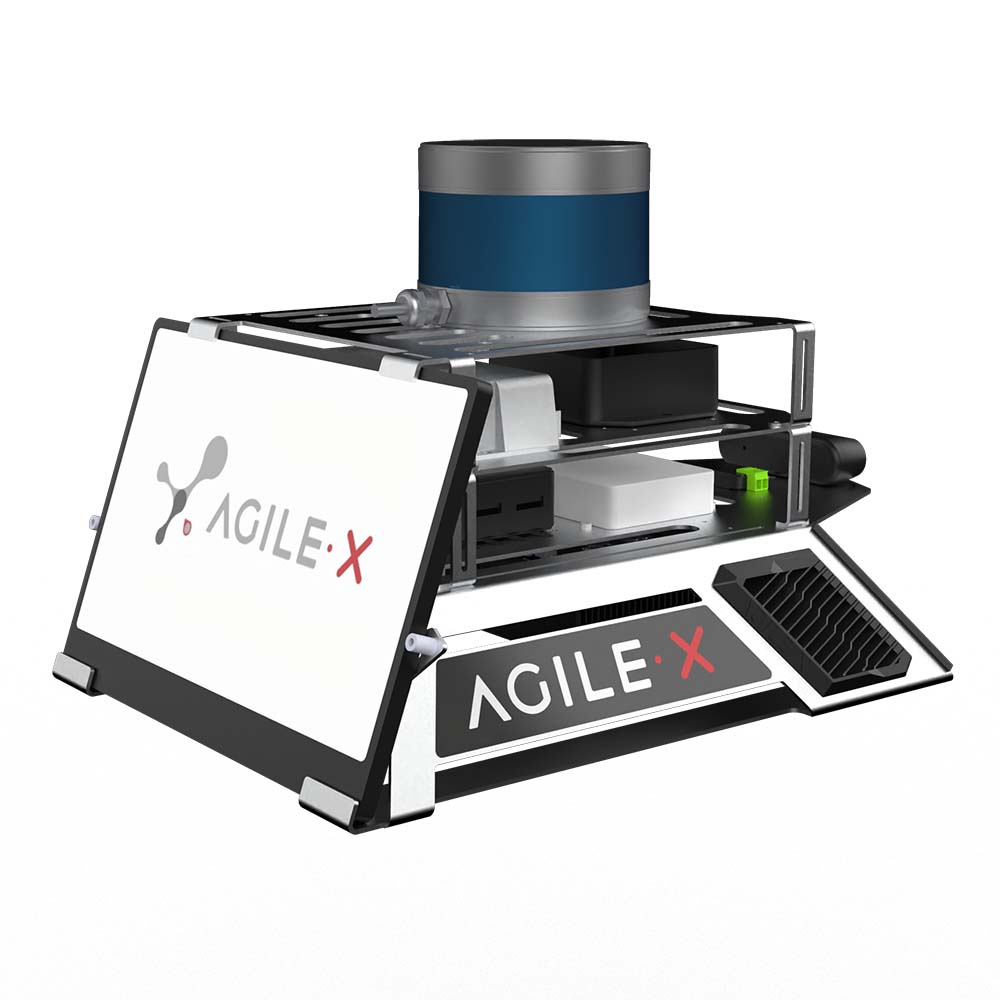
A turnkey, ROS-ready research rover: the AgileX Scout Mini 4WD base pre-integrated with LiDAR, a depth camera, IMU, and an onboard NVIDIA Jetson computer — so your lab skips the build and starts running SLAM, navigation, and vision experiments on day one.
.png)
An omnidirectional four-wheel-steering research rover that moves in any direction without turning — RobotLAB delivers it deployed, integrated, and supported.
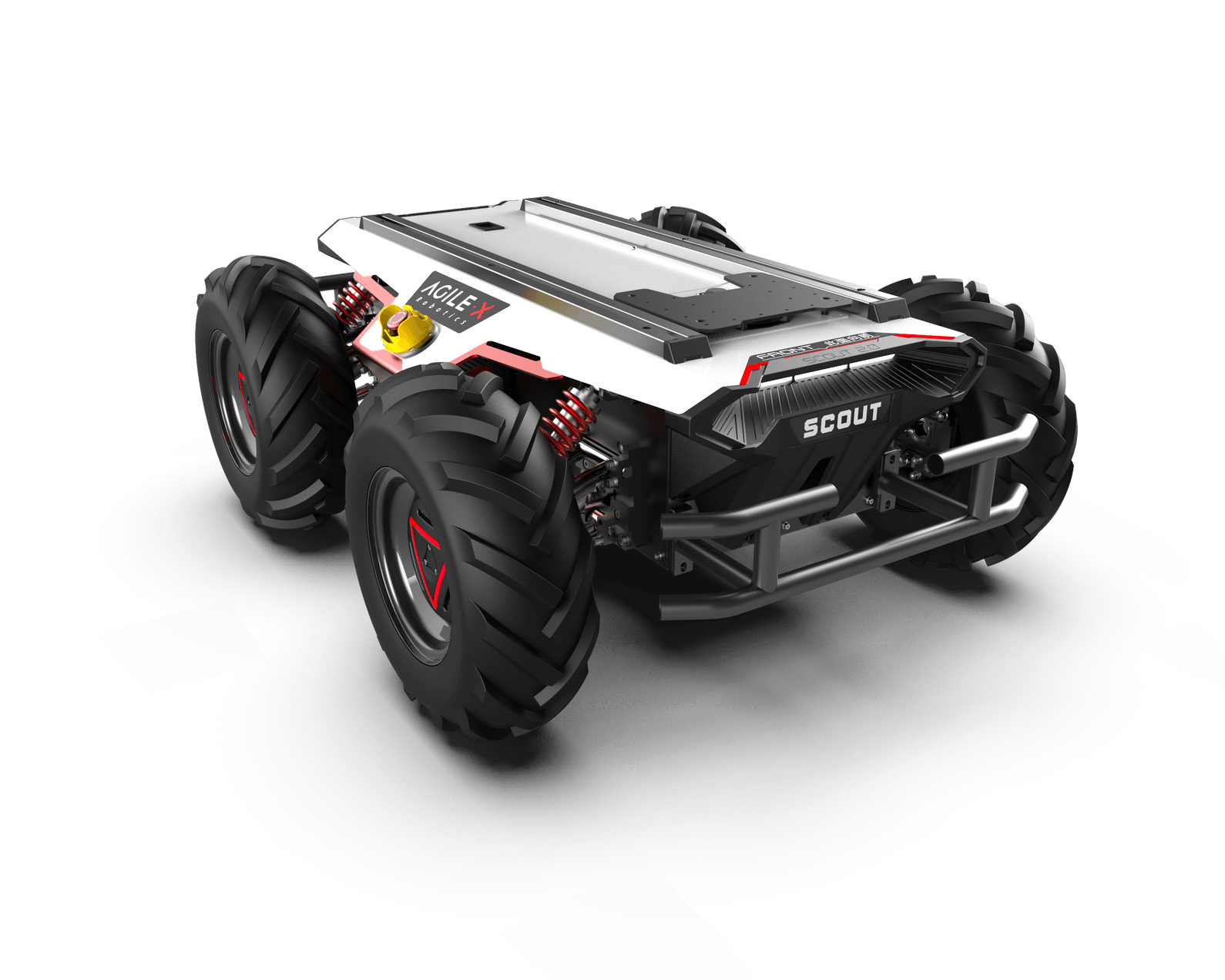
A rugged 4WD differential-drive UGV platform with a 50 kg payload, in-place turning, and open ROS/CAN integration — ideal for outdoor robotics research and autonomy development. Sold, deployed, and serviced nationwide by RobotLAB.
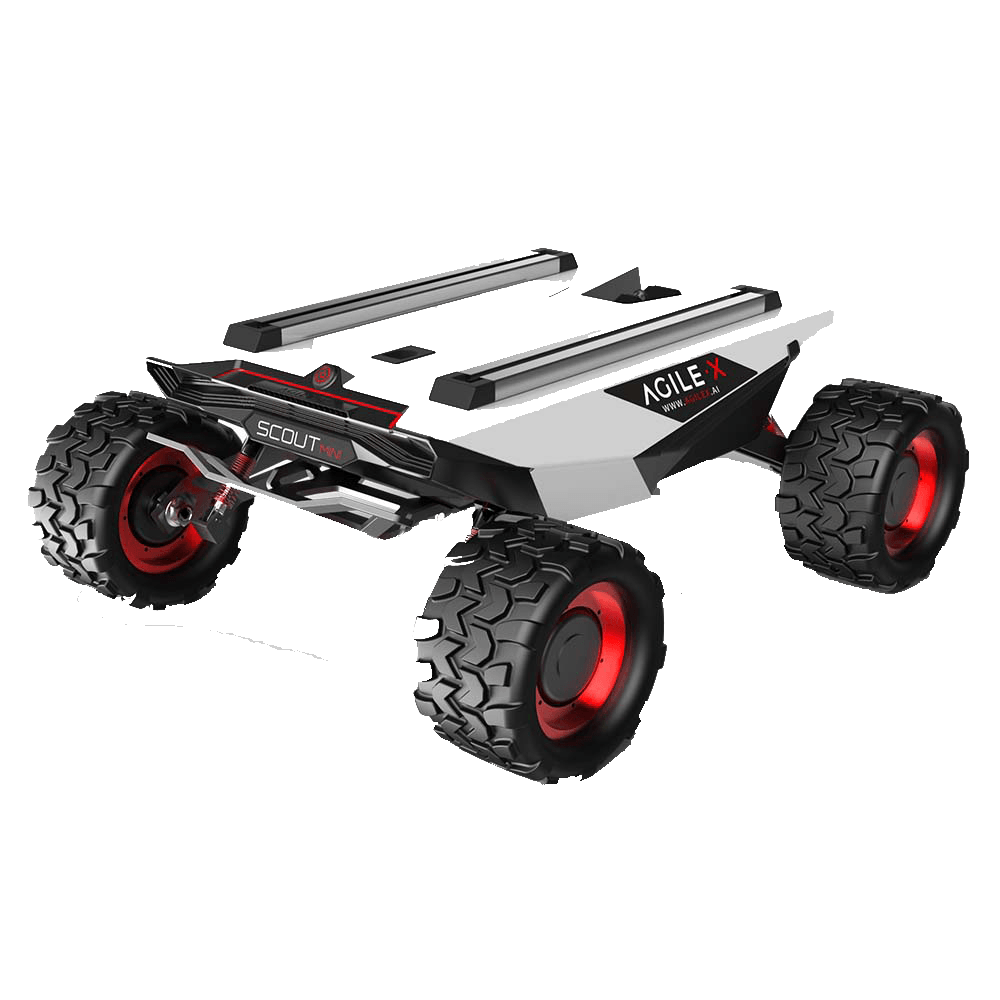
A compact, high-speed 4-wheel-drive UGV platform that brings ROS-ready autonomy research and rugged indoor/outdoor mobility within reach of any lab or team.
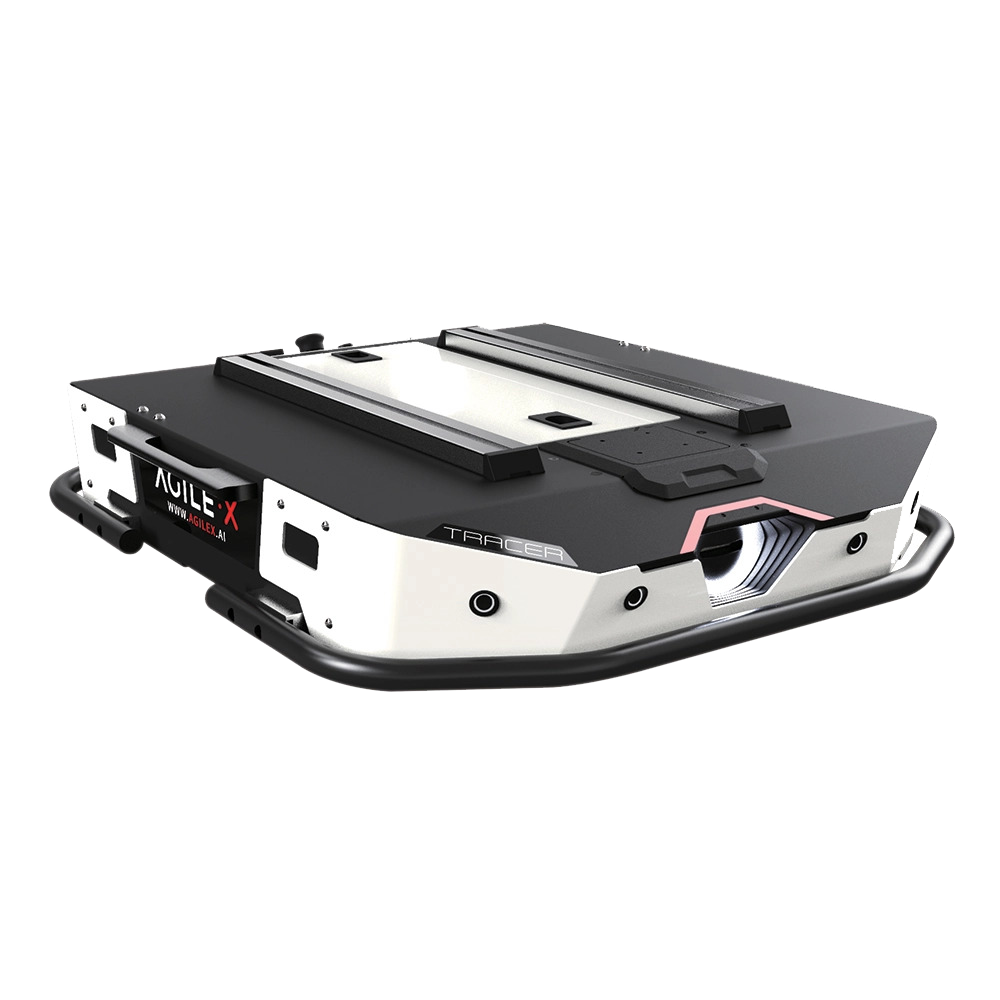
A compact 100 kg-payload differential-drive AGV base that universities like Georgia Tech and the University of Tulsa rely on for autonomous indoor logistics and robotics research.
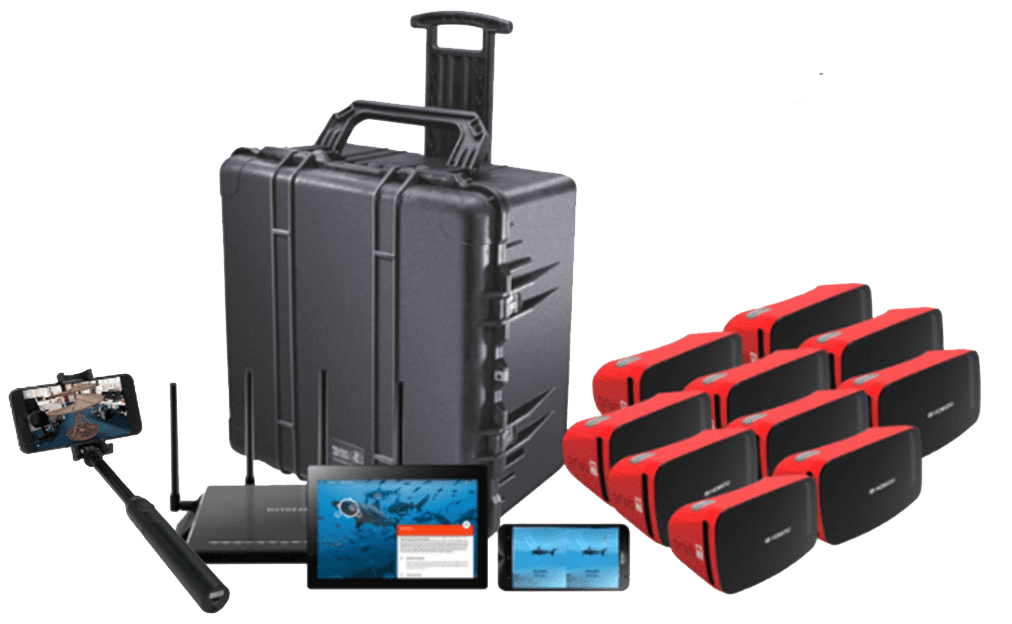
Bring your lessons to life with virtual reality. Spark curiosity and engage the entire classroom with the RobotLAB AR/VR
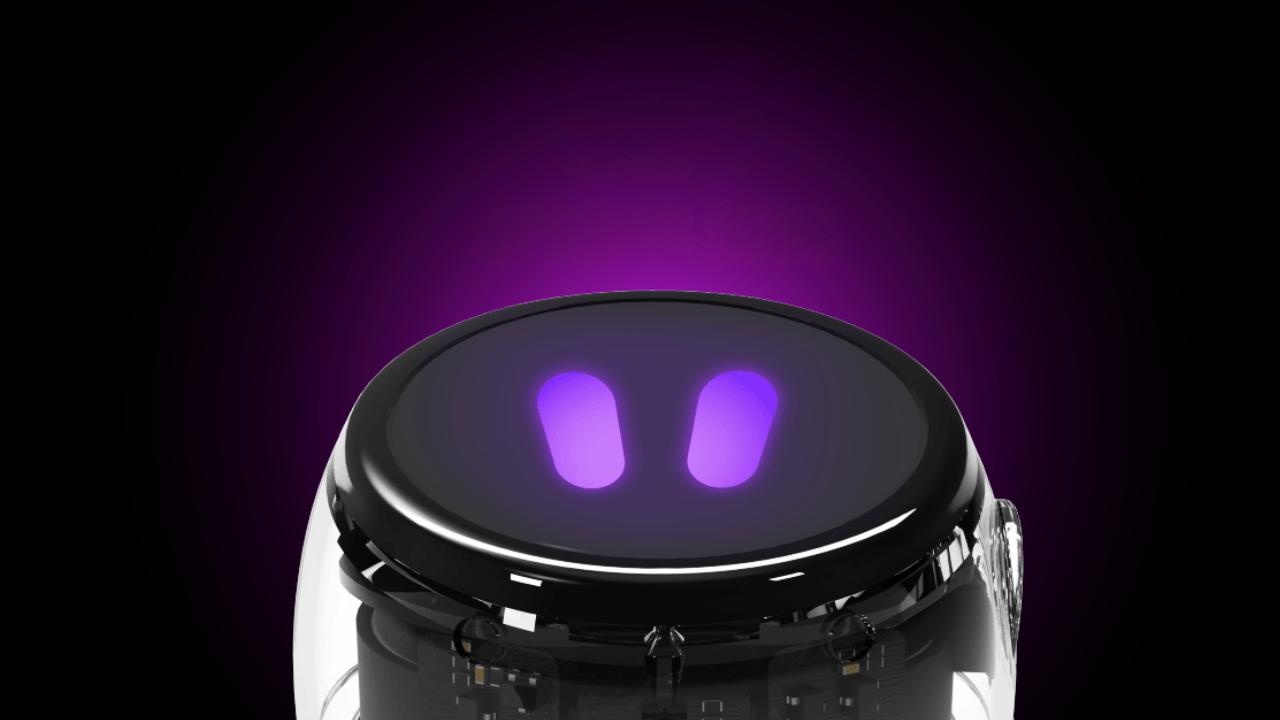
An Android-powered tabletop coding cobot that brings touchscreen-driven STEM, computer science, and core-curriculum lessons to K-12 classrooms for the price of a tablet.
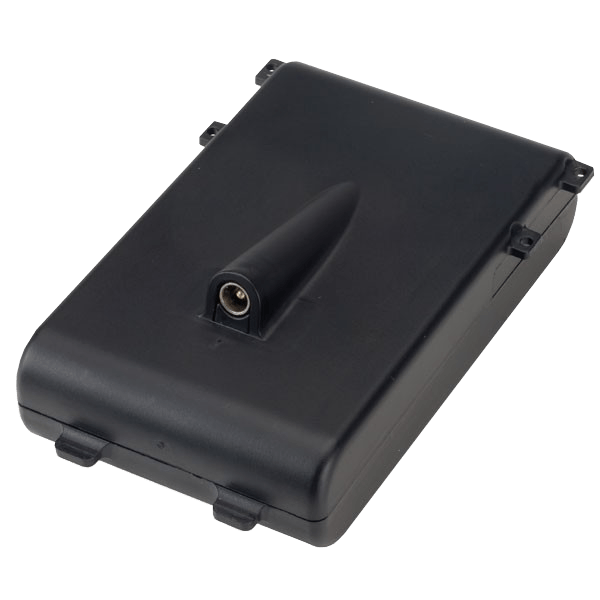
NAO Robot Power V6 - Battery

Classroom VR Expeditions 2.0 is the next generation Google Expedition for Education.
Too much to read? Don't have time? Choose your favorite AI, and it will summarize the content for you:
.webp)
The most popular classroom-scale Cubelets kit — 78 magnetic robot blocks that let six student groups build steerable, screen-free robots and learn how sensors, logic, and action work together.
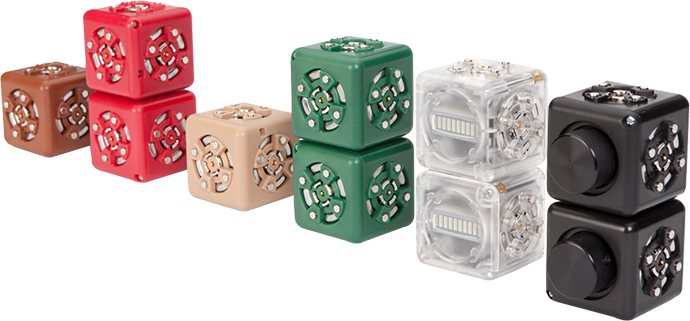
Turn the Cubelets kits you already own into a full computational-thinking curriculum — no screens, no syntax, no new robots to buy.
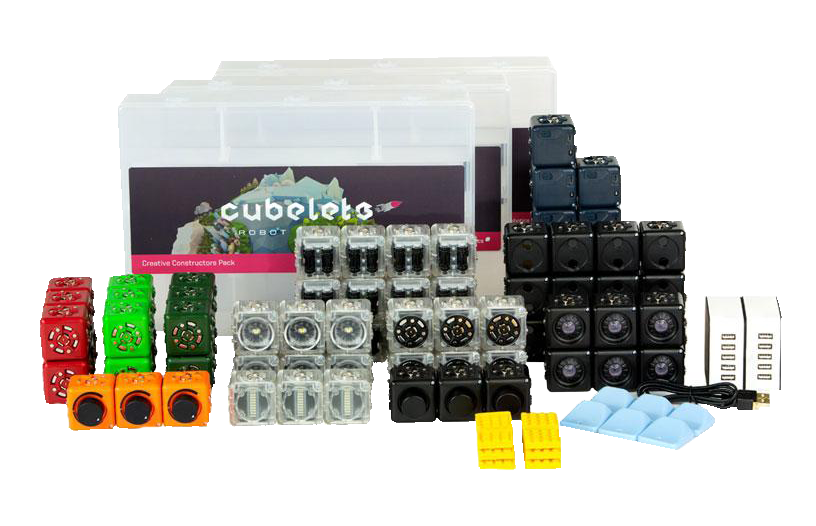
A screen-free modular robotics kit for six student groups — 78 snap-together Cubelets plus 6 Bluetooth Hats that turn block-building into hands-on coding for PreK through 12th grade.
.webp)
The largest Cubelets set RobotLAB sells: 156 magnetic, screen-free robot blocks that scale across 6 to 12 student groups for makerspaces, libraries, museums, and full classrooms.
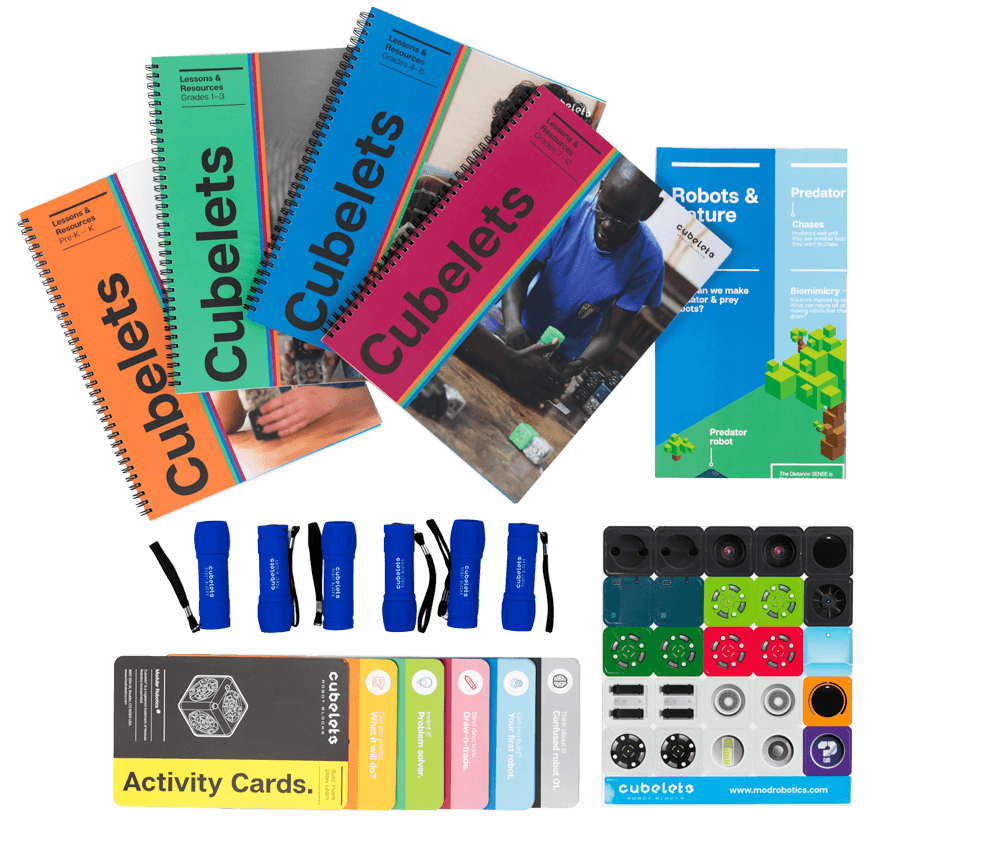
Standards-aligned, PreK–12 lesson plans and classroom resources that turn your existing Cubelets robots into a ready-to-teach STEM curriculum.
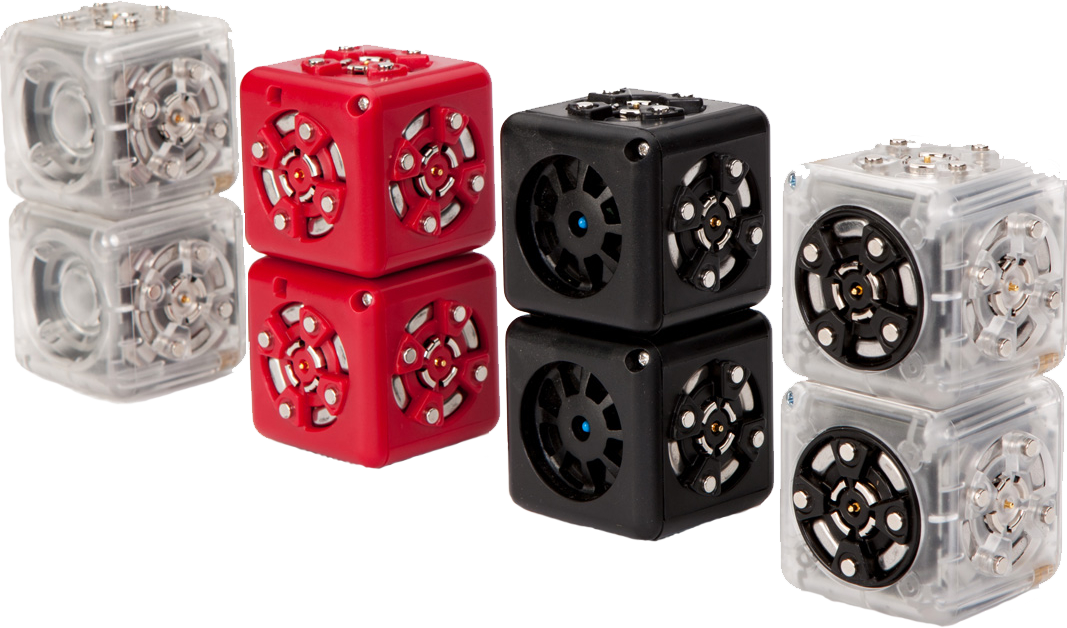
A subject-specific Cubelets add-on that turns snap-together robot blocks into a hands-on life science lab, with grade-aligned lesson plans on observation, behavior, and adaptation.
.webp)
Screen-free classroom robotics for your youngest builders — 52 magnetic Cubelets robot blocks that snap together into working robots, sized for six small groups of PreK and early-elementary students.
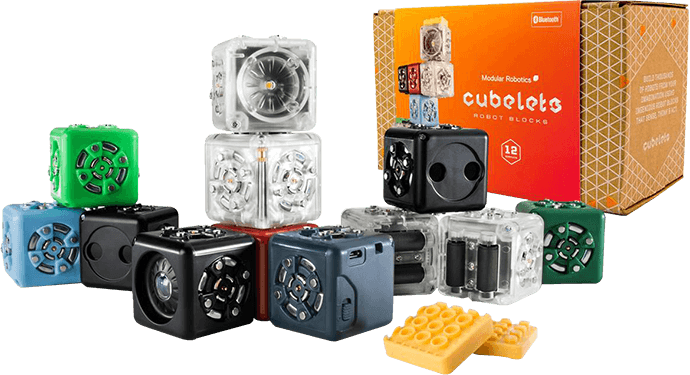
Snap-together robot blocks that teach coding and computational thinking with zero wires and no screen required — a 12-block starter kit RobotLAB sources, configures, and supports for classrooms, makerspaces, and home learners nationwide.
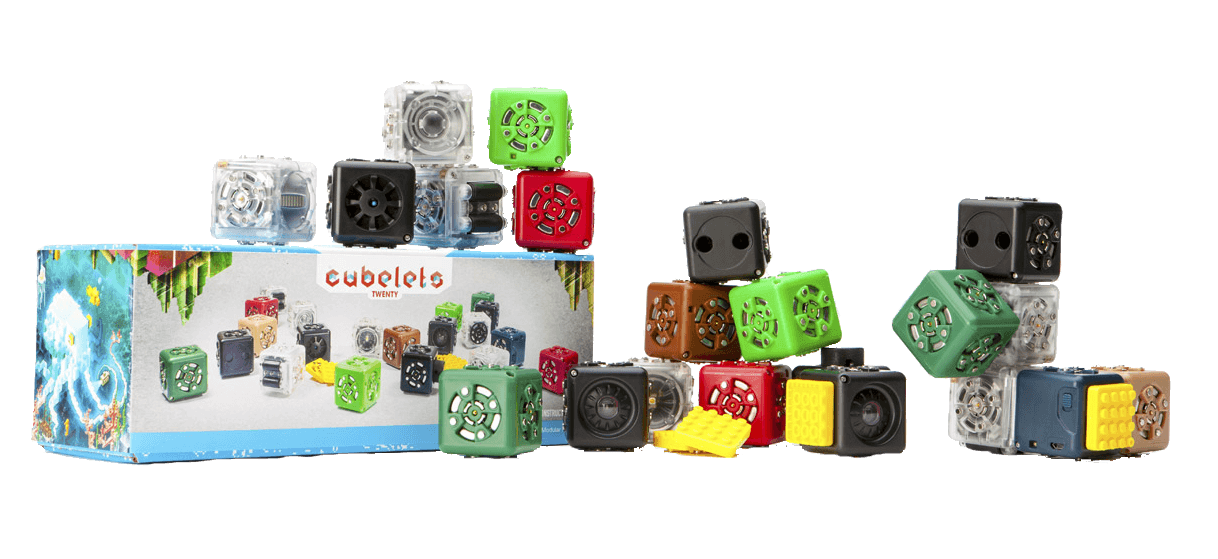
A 20-block Cubelets starter kit that lets students ages 4+ snap together working robots in seconds — no coding, no wiring, no screens required.
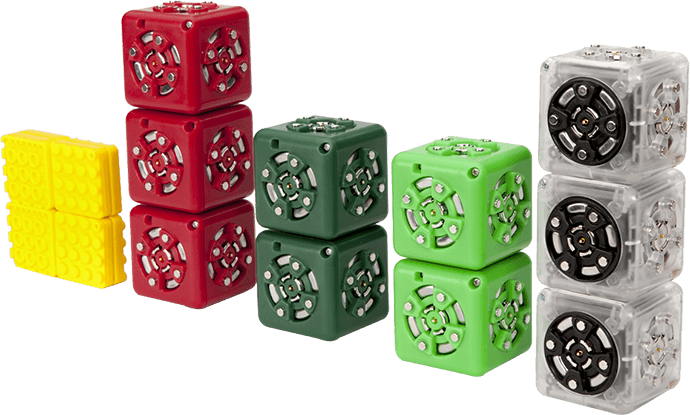
Add more robot blocks and an engineering-design curriculum to the Cubelets kits you already own — so students prototype, reverse-engineer, and problem-solve their way through real design-thinking challenges, no programming or wiring required.

Esports is an important topic in schools today. How do we take technology and make it useful in the classroom?
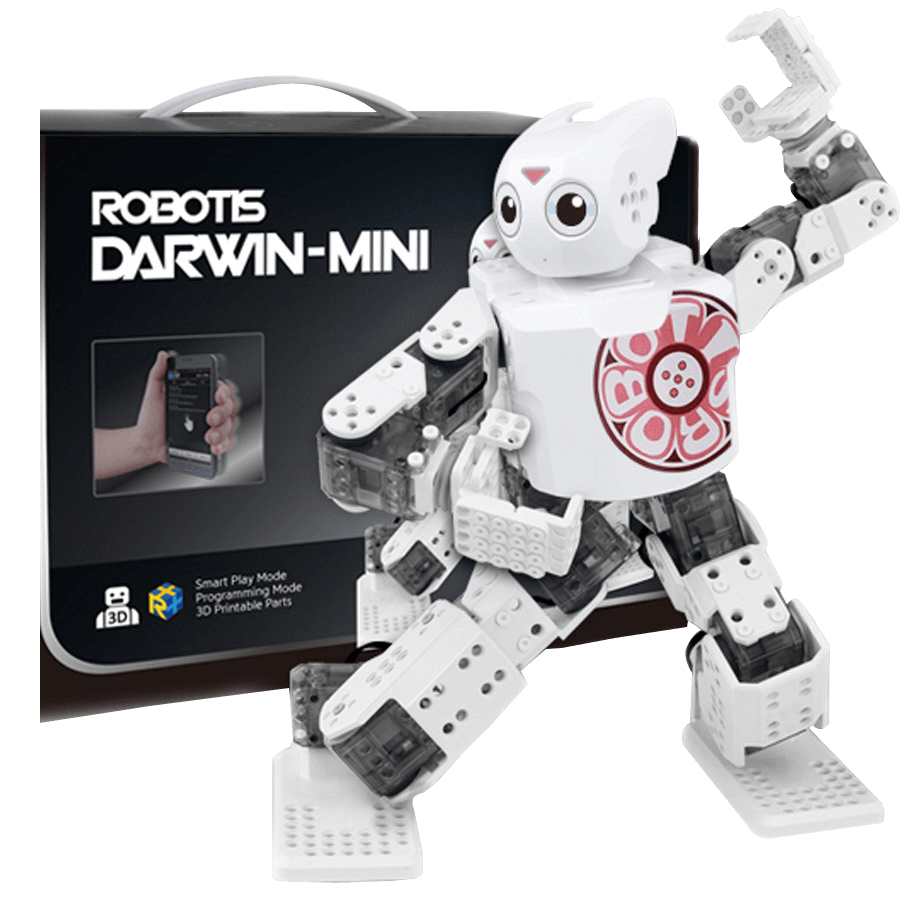
A $499 16-DOF programmable humanoid kit that puts walking-robot robotics, coding, and 3D-printed design into students' hands.
An open-platform, fully programmable miniature humanoid with 20 metal-geared DYNAMIXEL joints and an onboard PC, built for hands-on robotics research and advanced STEM education.
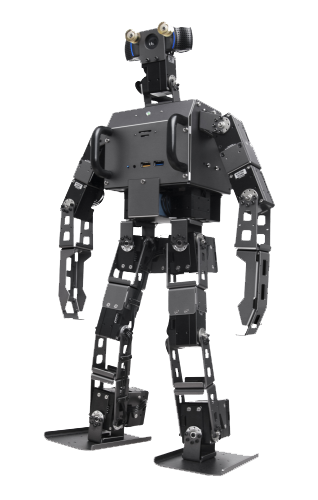
An open-source 20-DOF humanoid research platform with HD vision and an Intel NUC brain, built for serious work in walking, perception, and human-robot interaction.
The 10 questions buyers ask when narrowing a category. Always open — no dropdowns.
This category shows the subset of our 300+ robot catalog that fits the selected segment. Use the filter rail to narrow by brand, price, capability, or availability. Every unit listed is one we map, deploy, and service in-house — no drop-ship.
Three browse axes: by category (this page), by brand on the manufacturers index, or by capability from the capabilities hub. Full catalog index at /store.
By units shipped: delivery (BellaBot, Servi, KettyBot) and cleaning (Scrubber 50, Whiz, Phantas) are the two biggest. Followed by humanoid (Pepper, NAO) for greet/STEM, then industrial AMRs and STEM/education kits.
Varies by category. Delivery starts ~$4k to $16k+ (BellaBot Pro). Cleaning $3.8k (Pudu SH1) to $53.6k+ (Scrubber 50). Humanoid: NAO ~$17k, Pepper quote-only. Cooking and industrial: $30k–$120k. STEM kits under $1,000. RaaS from $499/mo across all categories.
Purchase — lowest 5-year TCO, Net 30 terms. Lease — $1 buyout, Section 179 eligible, 36–60 months. RaaS — $499+/mo all-inclusive (robot + service + updates + loaner), 36-month standard, convert-to-purchase after month 12. Compare side-by-side at /financing.
In-stock units ship in 5–10 business days from Dallas. Built-to-order or customized units run 4–10 weeks. Each product card surfaces its current lead-time band when available.
Yes. Every robot is FCC and UL or equivalent certified for U.S. commercial use. RobotLAB holds US-exclusive distribution rights for Pudu and SoftBank Robotics.
Bundled with RaaS automatically. With purchase or lease, the Standard plan at $199/mo per unit covers 24/7 support, software updates, parts and labor, loaner if downtime > 48h, quarterly health check, and annual on-site visit. 97% average fleet uptime.
Yes — tick the Compare checkbox on up to four product cards, then hit the Compare button in the sticky shelf at the top of the page. You'll get a side-by-side spec sheet. Sales specialists can also prepare a custom comparison PDF on request.
Three options: (1) Click any product card → "Request quote". (2) Use the /contact form with the product names. (3) Call 1-87-RobotLAB Mon–Fri 8a–6p CT. Same-day response in all three cases.
Lidia is an AI assistant. This conversation is stored and shared with the RobotLAB sales and support teams. Privacy policy
Chatting as · Not you?
You choose which categories of cookies are stored on your device. Strictly-necessary cookies are required for the site to function and cannot be disabled. Read more in our Privacy Policy.
Session, security, and the consent record itself. Required for the site to operate.
First-party tracking (Mautic, on t.robotlab.com) so we understand which pages and products visitors engage with and improve the site over time.
Advertising pixels (Google Ads, Meta Pixel) used to measure ad performance and show relevant ads on partner sites. Turning this off opts you out of CCPA "sale" of personal information.